For the commuters and travelers across the Rostov region, the night of November 15, 2026, began with the familiar rhythms of a major transit hub. But as the hours stretched into the early morning, the sky over the region became the stage for a significant aerial engagement. According to reports from regional authorities, the air defense response was massive, with approximately 50 unmanned aerial vehicles (UAVs) destroyed as they attempted to penetrate the airspace. While the defense systems were active, the sheer scale of the assault brought the reality of the conflict directly onto the tracks of the North Caucasus Railway.

The consequences of the aerial bombardment were not confined to the sky. As the debris from the destroyed drones rained down, a critical piece of infrastructure at the Taganrog railway station took a direct hit. The North Caucasus Railway press service confirmed that the falling wreckage struck an electrical substation, an essential component for maintaining the flow of power to the rail network. The damage was immediate and severe, triggering power outages that effectively paralyzed the station’s ability to manage its daily operations. For a system that relies on a steady, uninterrupted supply of electricity to move thousands of passengers, the loss of this substation was a catastrophic failure point.
The immediate aftermath of the strike forced the North Caucasus Railway to halt all traffic through the Taganrog station. The silence that fell over the tracks was a stark contrast to the usual bustle of the transit hub. In a statement regarding the incident, the railway service explained the gravity of the situation: "Today at night, as a result of the falling wreckage of a UAV at the Taganrog station of the North Caucasus Railway, an electrical substation was damaged... Traffic at the station has been suspended." This suspension was not merely a temporary pause; it was a necessary safety measure to prevent further damage to the rolling stock and to protect passengers while the extent of the electrical failure was assessed.
Passengers on board found themselves stranded as the station went dark, resulting in a three-hour delay for the journey.
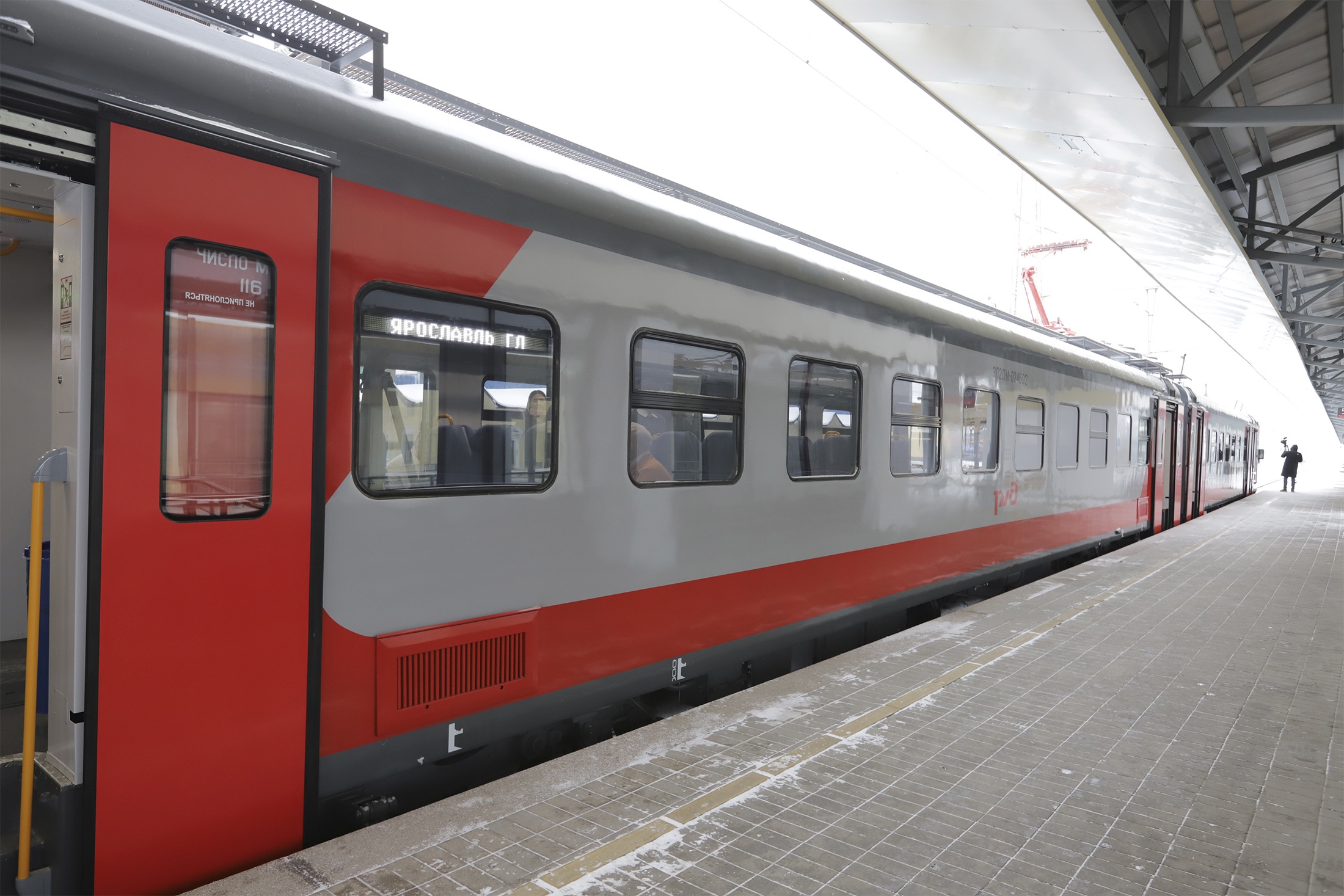
The disruption quickly cascaded through the regional schedule. Among the most notable impacts was the status of the No. 805 "Lastochka" train, which was scheduled to depart from Taganrog bound for Novorossiysk. Passengers on board found themselves stranded as the station went dark, resulting in a three-hour delay for the journey. While the Lastochka was eventually able to move, the broader network was not as fortunate. The railway authorities were forced to cancel seven passenger trains entirely, leaving travelers with no path forward and forcing a total reassessment of the day’s logistics.
Beyond the cancellations, the railway faced the challenge of managing trains already in transit or scheduled for shorter routes. The North Caucasus Railway reported that 14 other trains had their routes shortened, a move designed to keep the remaining functional parts of the network moving while bypassing the crippled Taganrog hub. This tactical adjustment highlights the fragility of modern regional infrastructure when faced with targeted aerial strikes. The ability to pivot routes is a testament to the railway’s emergency planning, but it also underscores the limitations of a system that is only as strong as its most vulnerable electrical substation.
Governor Yuri Slyusar, who oversaw the regional response to the attack, provided the broader context for the night’s events. By confirming that roughly 50 UAVs were intercepted, he underscored the intensity of the threat that the region is currently facing. For the residents of Rostov, the events of November 15 serve as a grim reminder of how quickly the domestic sphere can be upended by conflict. As the North Caucasus Railway works to repair the damaged substation and restore full service, the region remains in a state of heightened alert, waiting to see if the tracks will remain clear or if the infrastructure will once again be caught in the crossfire.