
In the bustling, high-tech hub of Shenzhen, the geopolitical landscape shifted, if only for a moment, during the Asia-Pacific Economic Cooperation (APEC) summit. As leaders from across the globe converged to discuss trade and regional stability, the focus sharpened on the bilateral relationship between the United States and China. During the APEC summit, U.S. President Donald Trump and Chinese President Xi Jinping began a series of engagements that would culminate in a significant discussion regarding one of the most pressing security crises of our time: the war between Russia and Ukraine.

During the APEC summit, the atmosphere in Shenzhen moved beyond the typical pageantry of international summits. During a bilateral meeting on November 19, 2026, the two leaders addressed the conflict that has strained global alliances and reshaped international security. For observers watching the intersection of American and Chinese foreign policy, the conversation marked a notable moment of public alignment. Both President Trump and President Xi, representing the world's two largest economies, articulated a shared interest in bringing the hostilities in Eastern Europe to a close.
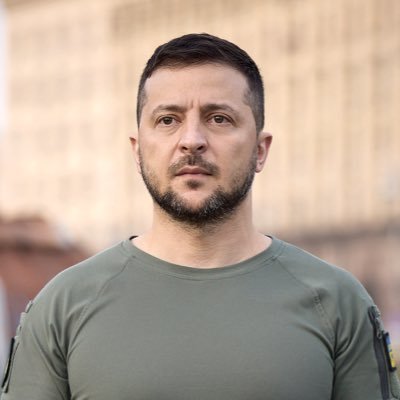
The American envoys said that in Berlin, during our meetings tomorrow, they would give us a debrief on the talks the American President is currently holding in China. We will also be hearing from our partners currently in China. We and the Europeans have a clear, shared position: issues concerning Ukraine must be decided with Ukraine’s participation, and issues concerning Europe must be decided with Europe’s participation. This is the only approach there can ever be. Thank you to everyone who is helping and who is pushing for a strong agenda to bring this war to an end.
President Trump, speaking on the sidelines of the summit, provided a clear window into the spirit of these discussions. "We both want to help in terms of finishing the war between Russia and Ukraine," he stated, framing the objective as a mutual priority for both Washington and Beijing. This public declaration suggests a rare convergence of diplomatic intent, where the competing interests of the U.S. and China are momentarily set aside in favor of a broader, collective push toward a resolution.
Plans were set in motion for a trilateral meeting scheduled for later on Thursday, November 19, 2026.
There is a distinct confidence in the American approach to this diplomatic maneuver. President Trump underscored this sentiment, noting, "I would like it to be over. I think I can speak for both of us." This assertion is not merely a statement of preference; it is a calculated attempt to leverage the influence of the U.S.-China relationship to exert pressure on the trajectory of the conflict. By positioning himself as a spokesperson for a unified desire for peace, Trump is signaling that the path to ending the war may require the active, coordinated participation of the world’s most powerful actors.

Putin and Trump met in China. "He's my friend," President Trump said as he walked to greet Putin. Putin's aide Ushakov said afterwards that mostly the upcoming trilateral meeting between Trump, Putin and Xi Jinping was discussed. https://t.co/aZ8mok2Tui
The ambition of the Shenzhen meetings extends beyond the bilateral. Plans were set in motion for a trilateral meeting scheduled for later on Thursday, November 19, 2026. This proposed session, which would include Russian President Vladimir Putin, represents an attempt to bring the primary stakeholders to the same table. The prospect of such a meeting—bringing together the leaders of the U.S., China, and Russia—highlights the gravity of the situation and the perceived necessity of direct, high-level diplomacy to break the current impasse.
As the APEC summit concludes, the international community remains in a state of watchful waiting. The optimism expressed by President Trump regarding the potential success of these talks reflects the high stakes involved. While the road to a resolution remains complex and fraught with historical and political obstacles, the willingness of the U.S. and China to publicly commit to a collaborative effort to end the war marks a significant departure from the status quo. Whether this momentum can be sustained in the presence of President Putin remains the central question for the days ahead.