
For years, the rhythm of the technology world has been dictated by the predictable, late-summer arrival of new hardware. Consumers and industry analysts alike have come to expect that the most significant updates to the iPhone ecosystem would arrive in September, creating a singular, high-stakes moment for the company. However, reports suggest that Apple is preparing to disrupt this long-standing cycle. By planning a staggered release for its 2027 lineup, the company is moving toward a strategy that separates its standard and affordable models from the high-end Pro series, effectively creating a new, dedicated announcement window in the spring.
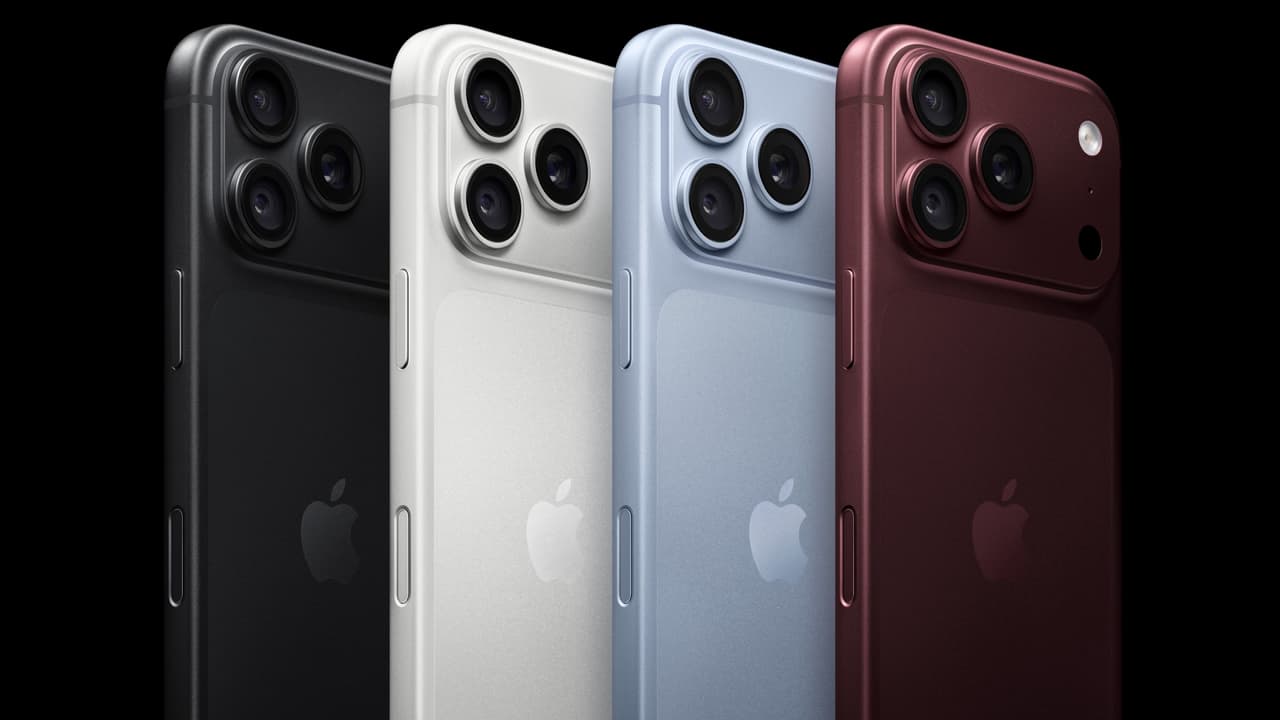
If the current projections hold, the tech calendar is set to shift in March 2027. This is when Apple is expected to debut the iPhone 18, the iPhone 18e, and the second-generation iPhone Air 2. This timing is a notable deviation from the September 2026 launch event, which will focus on the iPhone 18 Pro and the foldable iPhone Duo. By carving out this spring launch window, Apple is attempting to give its non-Pro devices more room to breathe, ensuring that these essential models receive the focused attention they require rather than being overshadowed by the premium flagship announcements that typically dominate the autumn news cycle.
At the heart of the standard iPhone 18 lies a significant leap in processing capability: the A20 chipset. This component is not merely an incremental upgrade; it is manufactured on a 2nm process, a technical milestone that allows for greater transistor density and, consequently, superior performance. The efficiency gains are substantial, with the A20 chip promising a 30 percent improvement in power efficiency compared to its predecessors. For the average user, this translates to a device that can handle more complex tasks while consuming less energy, a critical balance in an era where smartphone reliance continues to climb.
Visual fidelity remains a cornerstone of the iPhone experience, and the iPhone 18 is expected to feature a 6.
Beyond the raw processing power, Apple is addressing one of the most persistent consumer demands: battery longevity. The iPhone 18 is rumored to feature a 4,430mAh battery, representing a 20 percent increase in capacity compared to previous iterations. This hardware adjustment is designed to support the device’s sophisticated internal components without sacrificing the user’s ability to get through a full day of heavy usage. It is a pragmatic, hardware-first solution to the reality of modern smartphone consumption, where high-performance apps and constant connectivity place an ever-increasing strain on power reserves.
Visual fidelity remains a cornerstone of the iPhone experience, and the iPhone 18 is expected to feature a 6.3-inch LTPO OLED display. This technology, which allows for a dynamic 120Hz refresh rate, ensures that scrolling, animations, and video playback remain fluid and responsive. By utilizing LTPO—Low-Temperature Polycrystalline Oxide—Apple can maintain high performance while managing the power draw of the screen, a crucial integration when paired with the increased battery capacity. The result is a display that is both visually immersive and technically efficient.
This shift in release strategy is more than just a change in dates; it is a strategic repositioning of the company’s product portfolio. By separating the iPhone 18, 18e, and Air 2 from the Pro-tier devices, Apple is creating a distinct identity for its standard lineup. This allows the company to cater to different segments of the market at different times, potentially smoothing out the volatility that often accompanies a single, massive product launch. As the company looks toward 2027, the focus is clearly on ensuring that each device, regardless of its tier, has the space to stand on its own merits.
As we look toward the spring of 2027, the industry is watching to see if this new, staggered approach will become the new standard. By decoupling the launch of the iPhone 18 from the September 2026 cycle, Apple is betting that a more distributed release schedule will better serve both the company’s internal logistics and the consumer’s appetite for new technology. Whether this becomes a permanent fixture of the tech landscape remains to be seen, but for now, the message is clear: the way we receive our devices is evolving, and the spring of 2027 is set to be a pivotal moment in that transformation.