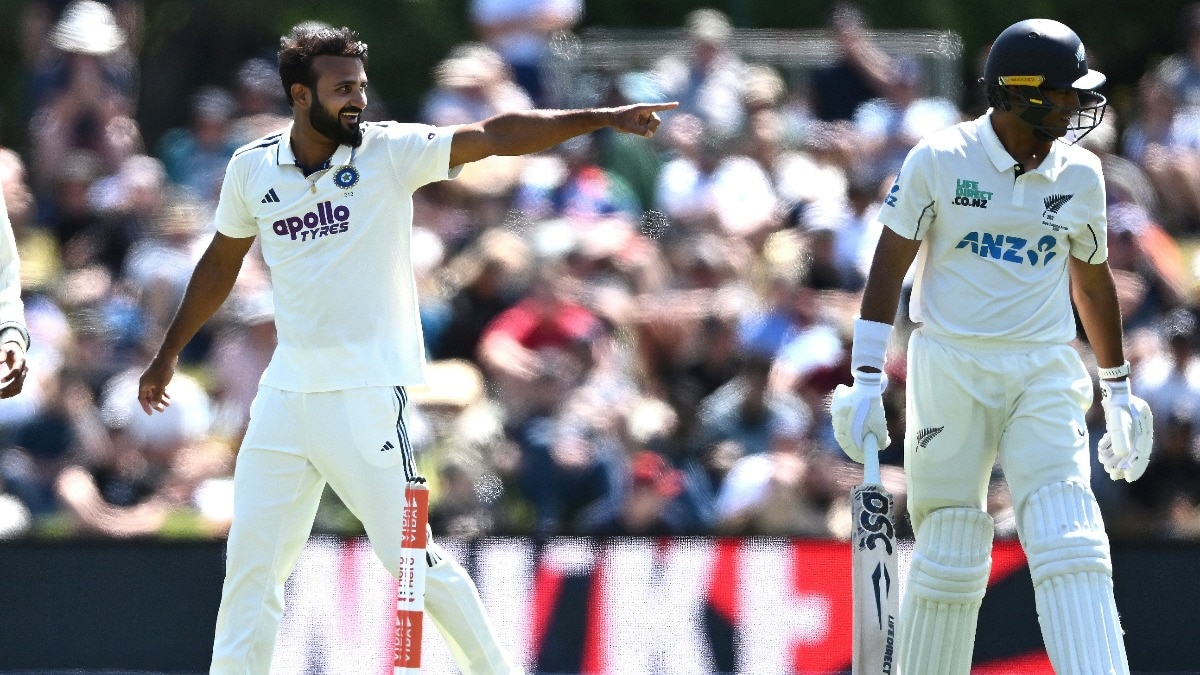
Cricket is a game of fine margins, often decided by a single coin flip and the tactical intuition of a captain. On the opening day of the second Test at Hagley Oval on October 25, 2024, India made their intentions clear from the outset. Winning the toss, the Indian side elected to bowl, looking to exploit the conditions and put the New Zealand batting lineup under immediate pressure. It was a decision that set the stage for a day of tactical maneuvering and individual brilliance, as both sides sought to establish a foothold in this crucial encounter.
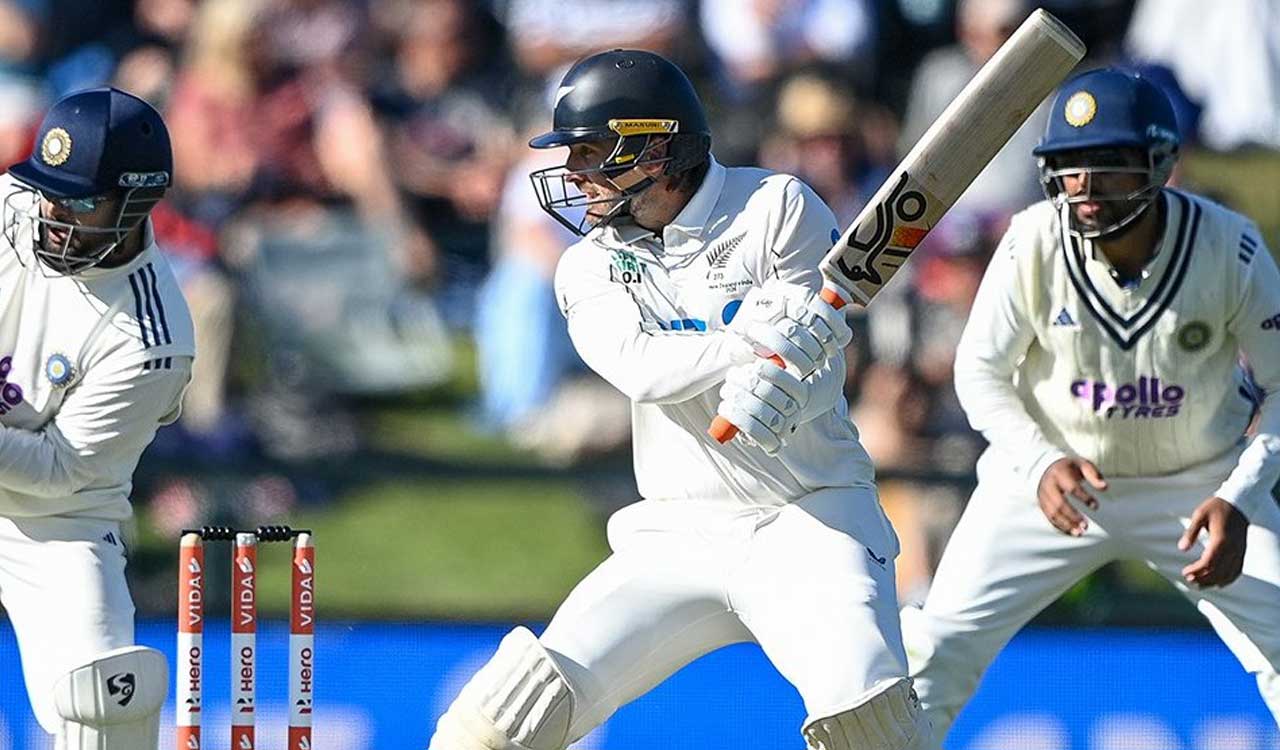
Despite the early pressure from the Indian bowlers, New Zealand’s openers, Tom Latham and Devon Conway, proved to be a formidable pair. They navigated the initial burst of pace with composure, establishing a 77-run partnership that threatened to take the game away from the visitors early on. This stand was a masterclass in defensive stability, as the duo weathered the storm and looked to build a foundation for a substantial New Zealand total. For India, the challenge was not just about finding rhythm, but about breaking a partnership that seemed increasingly settled.
Breaking a well-established opening stand requires more than just speed; it requires a moment of tactical precision. That moment arrived via Gurnoor Brar, who managed to disrupt the rhythm of the New Zealand openers by dismissing Devon Conway. The dismissal acted as a vital circuit breaker for the Indian side, halting the momentum of the Latham-Conway partnership and providing the breakthrough necessary to shift the complexion of the innings. It was a crucial blow that signaled India was very much in the contest.
His performance was a study in controlled aggression, using the seam to find movement and keep the batsmen on the back foot.
While Brar provided the breakthrough, it was Akash Deep who emerged as the standout performer of the day. A pacer whose effectiveness lies in his ability to maintain pressure through consistent line and length, Deep found his stride as the day progressed. His contribution was not merely about the numbers, but about the quality of the wickets he claimed. By removing both Tom Latham and Rachin Ravindra, Deep dismantled the core of the New Zealand middle order, proving himself to be the primary engine of the Indian bowling attack.
Deep’s impact was felt through his relentless accuracy. He finished the day with impressive figures of 2/52 from 21 overs, a workload that speaks to his stamina and his ability to hold an end while other bowlers rotate. His performance was a study in controlled aggression, using the seam to find movement and keep the batsmen on the back foot. As the wickets fell, the momentum began to swing toward India, creating a sense that the visitors were on the verge of a major breakthrough.
Deep was not alone in his efforts to dismantle the New Zealand lineup. Anshul Kamboj provided essential support, contributing to the pressure by dismissing Henry Nicholls. Each wicket served to chip away at the New Zealand stability, preventing the hosts from building the massive total their openers had initially promised. The collective effort of the Indian seamers ensured that even when New Zealand found moments of respite, the threat of a wicket remained constant.
However, cricket is rarely a one-sided affair, and New Zealand demonstrated the resilience required at this level. Following the loss of their top order, a partnership between Tom Blundell and Daryl Mitchell helped to stabilize the New Zealand innings. The pair put on 74 runs, a crucial stand that prevented the score from collapsing and allowed the hosts to navigate the middle session with some degree of control. This partnership forced India to recalibrate, as the game moved from a period of Indian dominance back into a more balanced struggle.
As the day drew to a close, the tension remained high. India continued to probe, eventually seeing Washington Sundar claim a late wicket to prevent New Zealand from extending their lead further. When the stumps were drawn after 85 overs, New Zealand sat at 246/5. It was a day of significant shifts—from the early dominance of the openers to the clinical breakthroughs of Akash Deep, and finally to the gritty stabilization of the New Zealand middle order. As the players depart for rest, the foundation for the second day has been laid, with the match poised on a knife-edge.