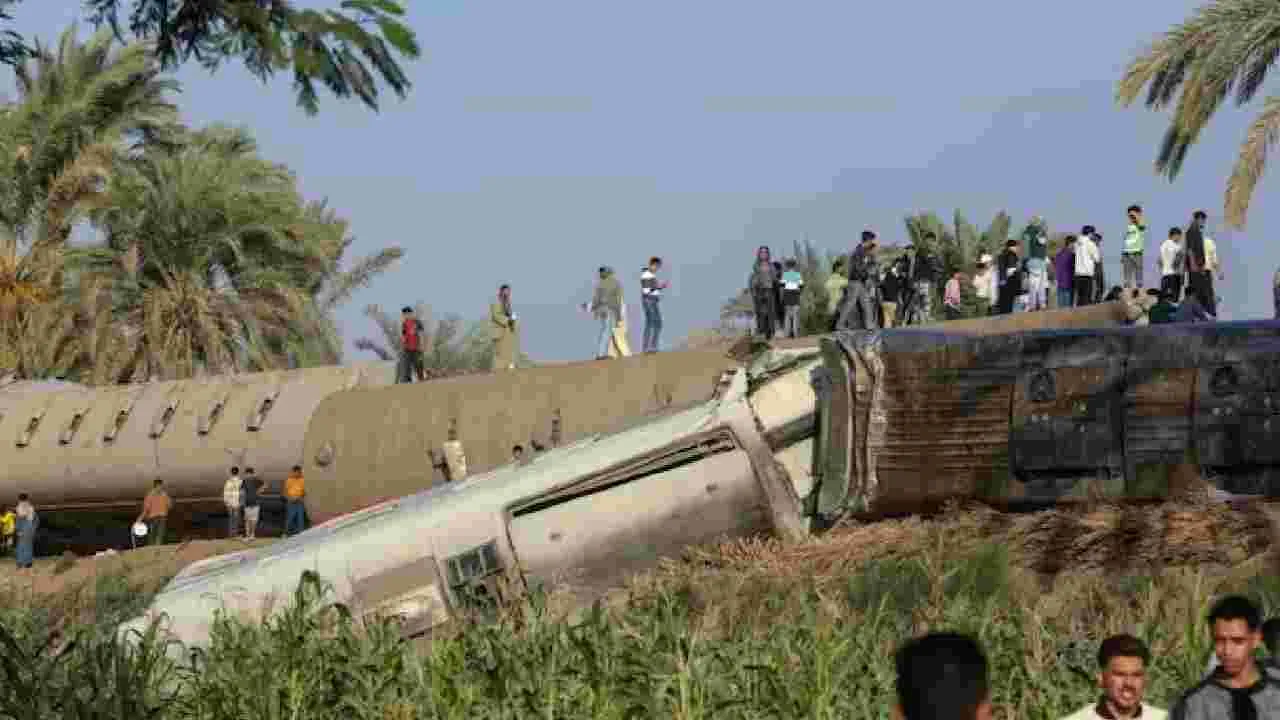
On a day that began like any other in the Al Ayat region of Giza province, the rhythmic pulse of Egyptian rail travel was shattered by the violent sound of colliding steel. Approximately 52 kilometers south of Cairo, the predictable momentum of two passing trains transformed into a scene of chaos and wreckage. The collision, which occurred on November 8, 2026, was not a head-on impact but a rear-end strike, one train slamming into the back of another with enough force to derail several carriages and send them skidding off the tracks.
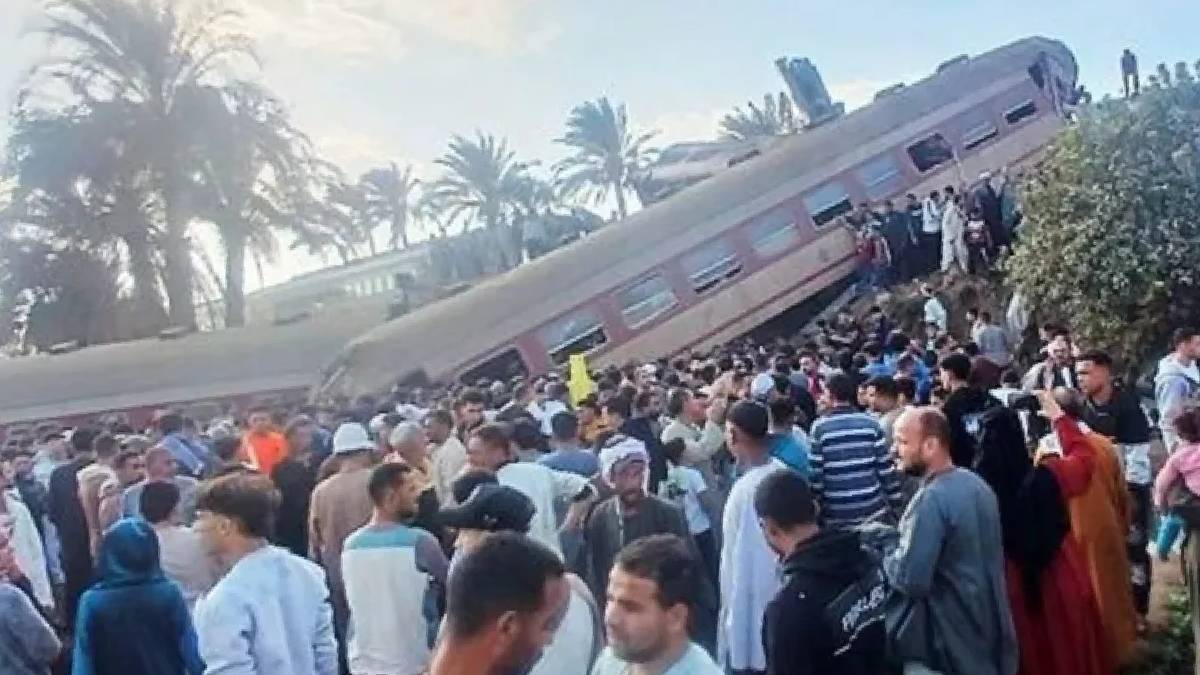
The location of the accident—Giza province—is a vital artery for the nation's movement. At the moment of impact, the two trains were following distinct paths: one was making its way toward Faiyum province, while the other was bound for the southern reaches of Aswan. In the sudden stillness that followed the crash, the scale of the human cost began to emerge from the dust and the twisted metal. The Egyptian Ministry of Health confirmed the grim toll: at least four people lost their lives, and 88 others were injured in the wreckage.
Among those who perished was one of the train drivers, a figure whose role is to navigate the complex machinery of the state's transport network, now silenced by the very system they were meant to command. The loss of a driver adds a layer of profound tragedy to the four confirmed deaths, marking the end of a professional life amidst a catastrophic mechanical failure. For the 88 individuals injured, the road to recovery begins in the wake of a collision that turned a routine journey into a fight for survival.
President Abdel Fattah el-Sisi moved to address the incident not merely as a mechanical failure, but as a matter of state accountability.
This is not an isolated moment of misfortune for the Al Ayat region. The Ministry of Transport’s report comes on the heels of a similar incident in the same area, which occurred in late August and involved freight trains. This recurrence raises questions about the safety of the tracks and the operational protocols governing these corridors. When accidents repeat in the same geographic pocket, the conversation inevitably shifts from individual misfortune to systemic scrutiny.
As the wreckage was cleared and the wounded were transported to medical facilities, the political response was immediate. President Abdel Fattah el-Sisi moved to address the incident not merely as a mechanical failure, but as a matter of state accountability. The President has ordered a full investigation into the circumstances that allowed two trains to occupy the same space at the same time, turning a transit route into a site of devastation.
The President’s directive was pointed, signaling that the investigation would look beyond the physical debris to the human decisions that may have preceded it. He has instructed officials to "investigate the dimensions of the accident and deal with anyone whose negligence in the occurrence of the accident is proven." This command places the burden of proof on the transport authorities, suggesting that if the collision was born of human error or oversight, the consequences will be severe.
In the aftermath, the Ministry of Transport and investigators are tasked with untangling the sequence of events. They must determine why the rear-end collision occurred and why the braking or signaling systems failed to prevent the impact. Was it a failure of technology, or a failure of the people managing it? The investigation seeks to answer whether the derailment of the carriages was an unavoidable consequence of speed or a direct result of negligence.
As of now, the region remains in a state of mourning and intense scrutiny. The investigation into the November 8 collision is underway, with the eyes of the nation on the findings. While the physical tracks may eventually be repaired and the carriages replaced, the questions regarding safety and the accountability of those in charge remain as heavy as the steel that failed on this day in Giza.