The atmosphere inside the National Stadium in Dhaka was thick with the kind of tension that only a rivalry as storied as India versus Pakistan can produce. On December 5, 2024, the pitch was more than just grass and chalk; it was the stage for a battle for South Asian supremacy. For India, the stakes were historic. They weren't just playing for a trophy, but for a decade of dominance and a chance to cement a feat never before achieved in the tournament's history: a third consecutive SAFF Cup title.
For much of the opening half, however, it looked as though the script would favor the opposition. Pakistan entered the match with a clinical edge, pressing the Indian defense and finding the breakthrough they had been hunting for. In the dying moments of the first half, at the 45+1st minute, Alamgir Gazi found the back of the net. The goal came via a deflected cross, a moment of chaotic luck that sent the Pakistani supporters into a frenzy and left the Indian side reeling as they headed into the locker rooms trailing 1-0.
As the second half commenced, the momentum seemed firmly in Pakistan's grasp. They were the aggressors, controlling the tempo and testing the resolve of the Indian backline. But amidst the Pakistani onslaught, one figure stood as a constant obstacle: Arsh Ansari. The Indian goalkeeper produced a series of pivotal saves during the first half, a performance that kept the deficit to a single goal and prevented the match from slipping away entirely. Without Ansari’s intervention, the game might have been decided before the halfway mark.
The stadium, once divided by the tension of the lead, now vibrated with the renewed energy of a match that had been completely reset.
As the clock ticked toward the hour mark, the tactical landscape of the match underwent a violent shift. In the 59th minute, the physical intensity of the contest boiled over. Pakistani defender Junaid Sha committed a dangerous tackle on Bryson Fernandes, a challenge that left the referee with little choice but to brandish a red card. Suddenly, the numerical advantage shifted. Pakistan, once the dominant force, was forced to defend their lead with only ten men on the pitch.
Football is a game of psychological shifts as much as physical ones, and the expulsion of Sha acted as a catalyst for the Indian resurgence. The period following the red card was a frantic scramble. India, sensing the vulnerability in the depleted Pakistani defense, began to push higher up the pitch, utilizing the extra space to stretch the opposition.
The equalizer arrived with the inevitability of a rising tide. Following a precise cross from Khimthing Lungdum, Suhail Ahmed Butt found his opening and struck, leveling the score. The stadium, once divided by the tension of the lead, now vibrated with the renewed energy of a match that had been completely reset. The 1-1 deadlock threatened to drag the contest into the grueling uncertainty of extra time.
As the match entered its final stages, the exhaustion of the players was visible, yet the intensity did not wane. Pakistan struggled to maintain their defensive shape, a difficulty compounded by the loss of Sha earlier in the half. India, buoyed by the momentum of the equalizer, refused to settle for a draw. They continued to probe, looking for the single moment of brilliance that would separate the champions from the runners-up.
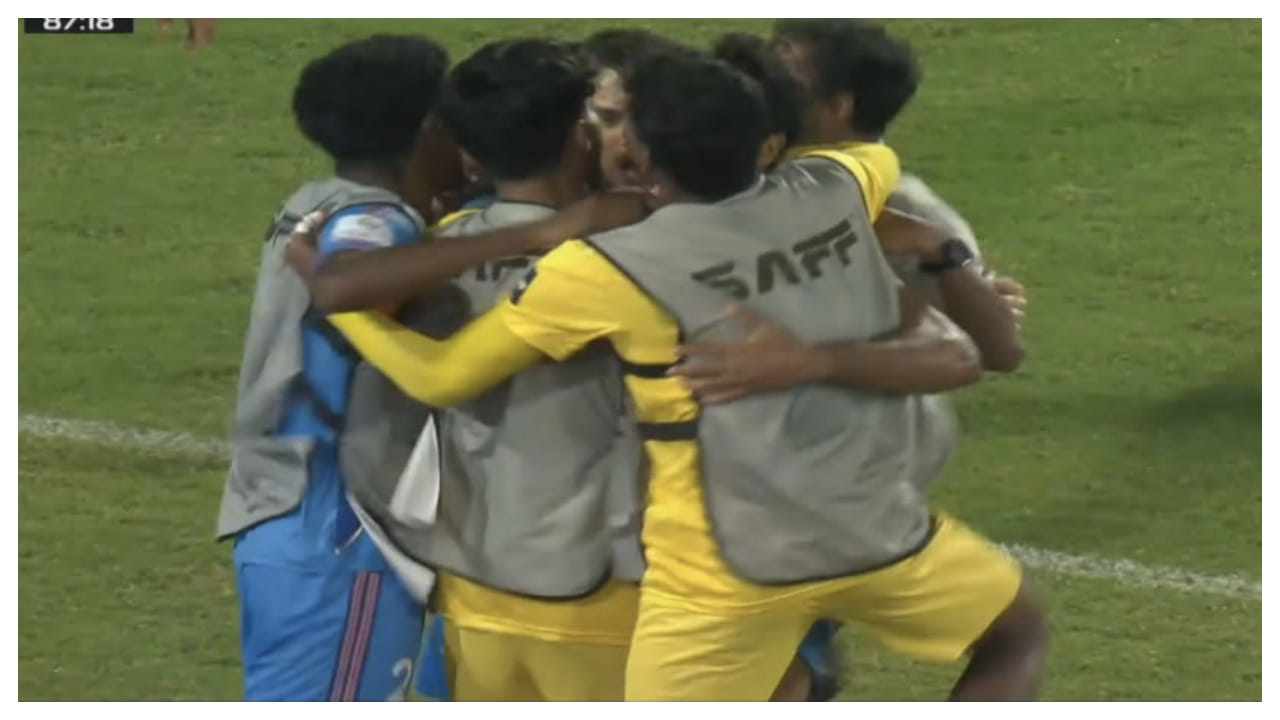
That moment arrived in the 88th minute. In a sequence that will be remembered as the defining beat of the tournament, Sandeep Singh rose to meet the ball. Connecting with a crucial header, Singh sent the ball past the Pakistani keeper, breaking the deadlock and the hearts of the opposition. The goal was more than just a point on the scoreboard; it was a strike of pure timing that effectively ended the contest.
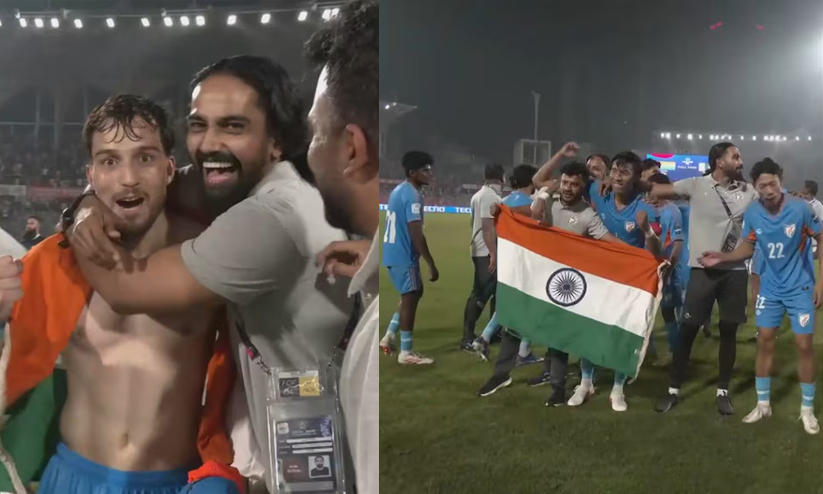
When the final whistle blew, the scoreline read 2-1 in favor of India. The victory was a multifaceted achievement. Not only did it secure India's tenth SAFF Cup title, but it also achieved a level of sustained excellence previously unseen in the competition. By winning three consecutive titles, India has carved out a dynasty in South Asian football.
As the celebrations began in Dhaka, the significance of the night settled in. For Pakistan, it was a match of missed opportunities and a struggle to manage the game after the red card. For India, it was a masterclass in resilience—a journey from a first-half deficit to a historic, tenth championship crown.