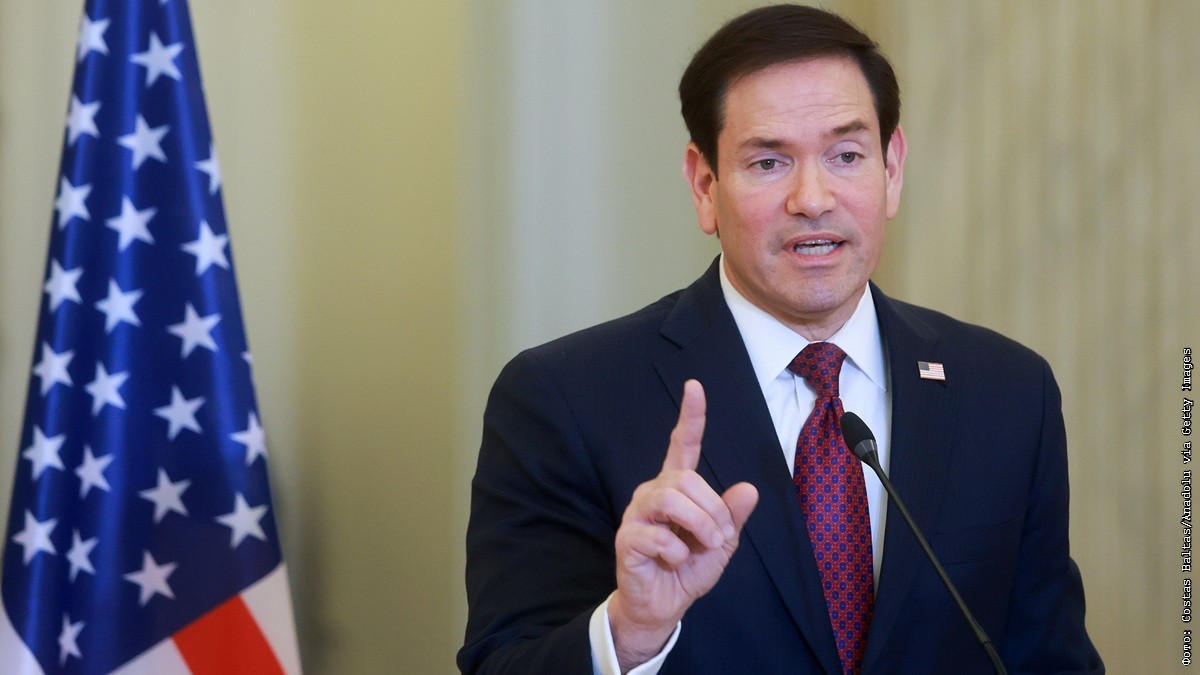
The diplomatic calendar for the war in Ukraine is tightening, and the United States is moving into a critical window of potential movement. Speaking from Moscow on November 9, U.S. Secretary of State Marco Rubio projected a level of optimism that stands out in the often stalled landscape of international negotiations. His comments, delivered to journalists in the Russian capital, point to a specific and imminent opportunity: the tripartite meeting scheduled for November 10-11 in Abu Dhabi, United Arab Emirates. This is not a multilateral forum involving the entire European Union or the United Nations, but a focused dialogue between key international parties. The stakes are high because, for the first time in recent memory, a structured pathway for the belligerents to sit across a table with the primary diplomatic power brokering the discussion is physically on the calendar.
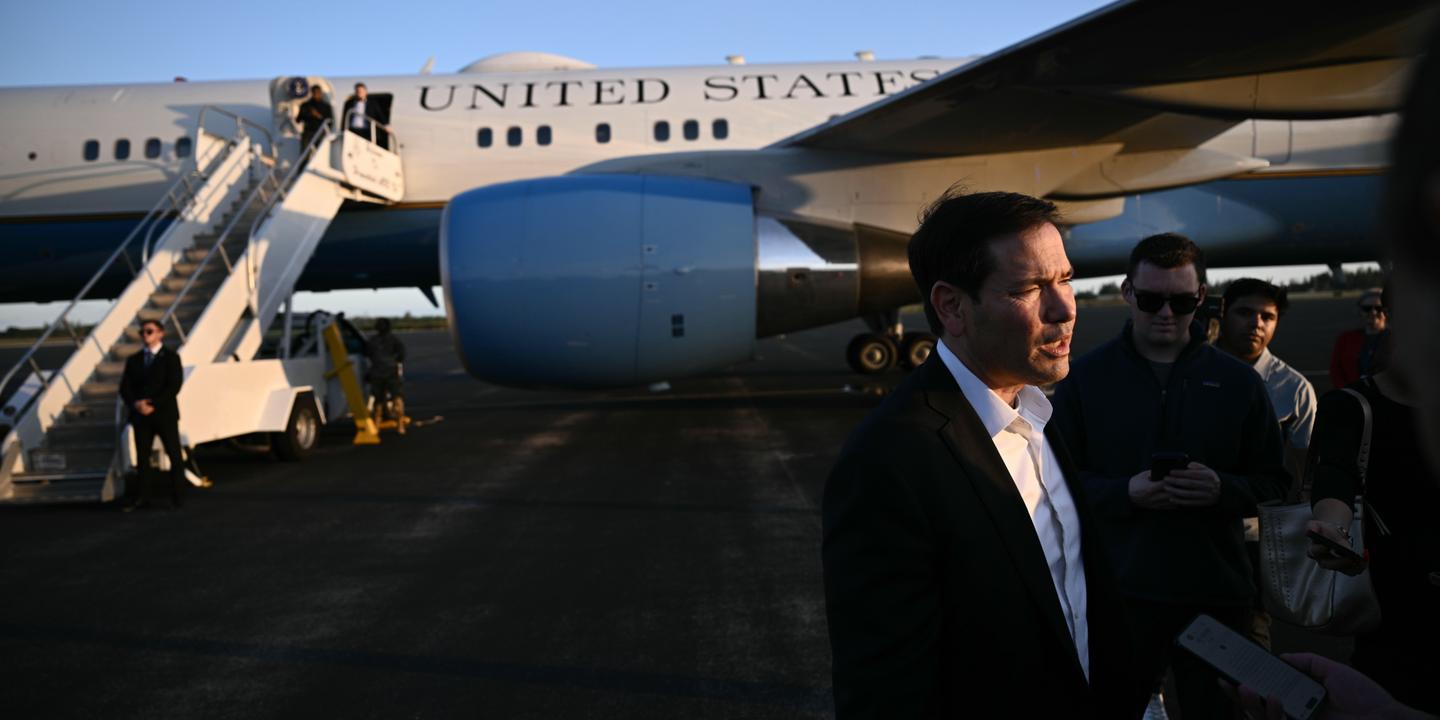
Rubio’s assessment suggests that the groundwork has been laid for a potential breakthrough, though he carefully delineates the boundaries of what can be achieved. He indicated that while progress is possible, it is conditional. The Secretary of State noted that with the personal involvement of senior White House aides Jared Kushner and Steve Witkoff in the Abu Dhabi sessions, the atmosphere may be conducive to meaningful steps forward. Kushner, who served as senior advisor to the president, and Witkoff, a prominent real estate developer and diplomat, bring distinct leverage to the table. Their presence signals that the U.S. delegation is not just bureaucratic but heavily personalized, relying on direct relationships with counterparts to unlock diplomatic impasses. Rubio explicitly linked the possibility of 'some progress' to their participation, implying that the U.S. strategy relies on a blend of institutional statecraft and direct presidential influence.
However, the core of Rubio’s message is a structural argument about the sequence of diplomatic efforts. He stressed that the broader, more complex issue of security guarantees for Ukraine and the wider European continent cannot be properly negotiated while active conflict persists. This is a crucial distinction in diplomatic strategy: distinguishing between immediate ceasefire mechanics and long-term peace architecture. Rubio argued that until the active fighting is overcome, the discussions regarding post-war security infrastructure will remain abstract and difficult to finalize. He framed this not as a delay tactic, but as a logical necessity. You cannot secure a peace deal for a territory that is currently under active military bombardment. The security guarantees refer to the promises made to Ukraine to protect its sovereignty from future aggression, a concept that has been central to European security debates since the conflict escalated. By tying this to the end of active conflict, Rubio is outlining a phased approach: stop the guns first, then build the shield.
views the diplomatic channel as functional and productive, rather than deadlocked.
This phased approach aligns with the public posture of President Donald Trump, whose recent statements have consistently emphasized momentum. Trump has previously claimed that the United States is working 'very well' with both Ukraine and other parties and that they are 'achieving great progress.' Rubio interpreted these presidential remarks to imply that significant successes have already been made in shaping the post-conflict security architecture. This is a notable diplomatic posture, as it suggests that the U.S. views the diplomatic channel as functional and productive, rather than deadlocked. By supporting the President's optimistic framing, Rubio is reinforcing the narrative that the U.S. is the active broker driving the process, leveraging its relationships to push for a resolution.
The move to Abu Dhabi is significant for several practical reasons. As a neutral jurisdiction outside of Europe, it allows for a meeting that does not carry the immediate symbolic weight of European capitals, which are often perceived as being deeply partisan in the conflict. The United Arab Emirates serves as a diplomatic middle ground, a location where key international parties can engage without the atmospheric pressure of European solidarity or isolation. The timing, just days after Rubio's Moscow comments, suggests a coordinated release of optimism ahead of the physical meeting. It is a classic diplomatic tactic: raise expectations through public statements to pressure delegates into flexibility. By stating that progress is 'possible,' Rubio sets the floor for what is expected from the November 10-11 sessions.
The interplay between the immediate goal of de-escalation and the long-term goal of security guarantees creates a complex negotiation space. Rubio's focus on the post-war security infrastructure highlights that the U.S. is not just trying to stop the current war, but is trying to architect a stable future for the region. This involves questions about international monitoring mechanisms, troop deployments, and long-term commitments, all of which are politically fraught. By deferring these until the active conflict is 'overcome,' Rubio is acknowledging that parties will not agree to long-term security constraints while the fighting continues. This is a pragmatic, if risky, calculation. It bets that the military dynamic will shift to a point where the parties are ready to negotiate the terms of peace rather than the terms of war.
As the teams gather in Abu Dhabi, the atmosphere will be charged with this new level of public expectation. The presence of Kus