
On November 26, 2026, a quiet morning in Kuwait was shattered by the sound of an explosion. The blast wasn't just any explosion—it was the result of an intercepted Iranian drone that sent deadly shrapnel raining down on a critical facility. What made this attack particularly significant was its human cost: two Italian technicians, employed by Rheinmetall Italia, lost their lives while performing maintenance on Skyguard air defense system antennas.
The technicians were working at a facility used by Kuwait's armed forces, specifically maintaining the detection antennas for the Skyguard air defense system. This system is a critical component of Kuwait's air defense network, designed to detect and track incoming aerial threats. The technicians' work was routine but essential—keeping these systems operational is vital for national security in a region where tensions often run high.
According to Kuwait's army, the attack originated from an Iranian drone. While the drone itself was intercepted before reaching its intended target, the shrapnel from the interception struck the facility where the Italian technicians were working. This tragic turn of events highlights the unpredictable dangers that can arise even when defensive systems successfully intercept threats.
Their deaths underscore the human cost that often goes unmentioned in discussions about military conflicts and drone warfare.
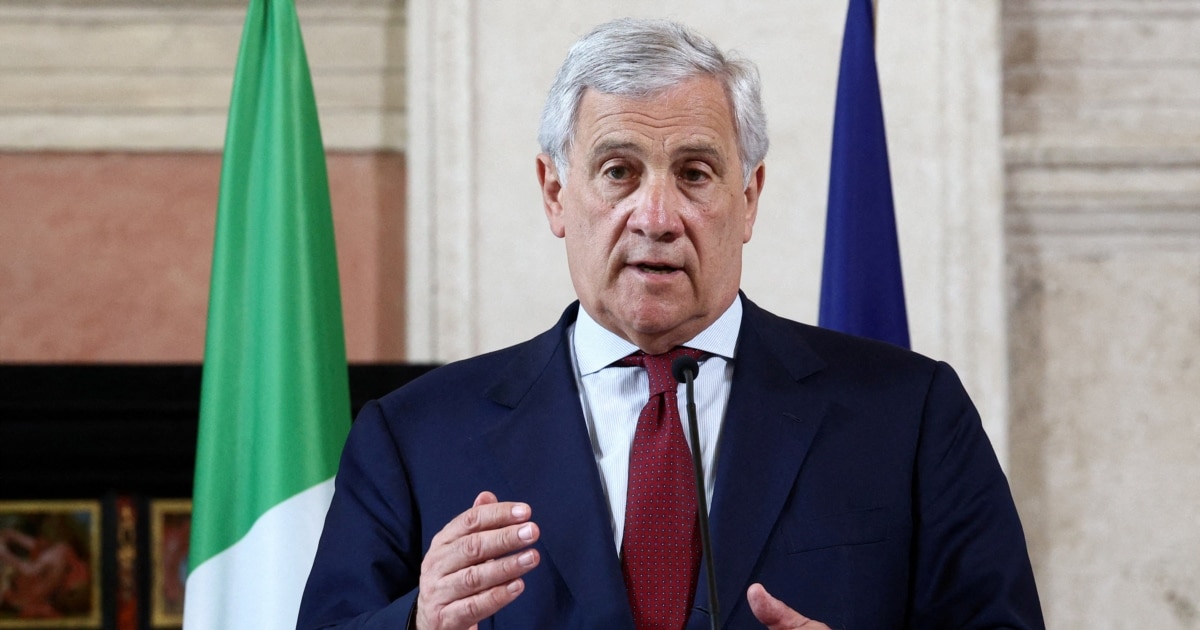
The Italian government reacted swiftly to the news. Foreign Minister Antonio Tajani followed the situation closely, while Prime Minister Giorgia Meloni expressed her condolences in a statement released the same day. "During the Council of Europe meeting, I learned the news of the death of two Italian citizens in an attack in Kuwait," Meloni said. "On my behalf and on behalf of the government, I express deep sorrow and convey my most heartfelt condolences to the families of the victims. I also express my closeness to everyone affected and their families."
The attack serves as a stark reminder of how regional conflicts can have far-reaching consequences, even claiming lives far from the immediate theater of operations. The Italian technicians were performing maintenance on defense systems, yet they became casualties in a complex geopolitical landscape. Their deaths underscore the human cost that often goes unmentioned in discussions about military conflicts and drone warfare.
The technicians' work on the Skyguard system highlights the ongoing challenges faced by nations in maintaining critical defense infrastructure in volatile regions. As drone technology becomes increasingly prevalent in modern warfare, the need for robust air defense systems grows more urgent. The tragic incident in Kuwait demonstrates the inherent risks faced by those who maintain these vital systems.
The attack comes at a time when tensions in the Middle East remain high. The involvement of an Iranian drone, even if intercepted, adds another layer of complexity to an already volatile situation. For Kuwait, a nation that has long sought to balance its relationships with various regional powers, such incidents pose significant challenges to its security and stability.
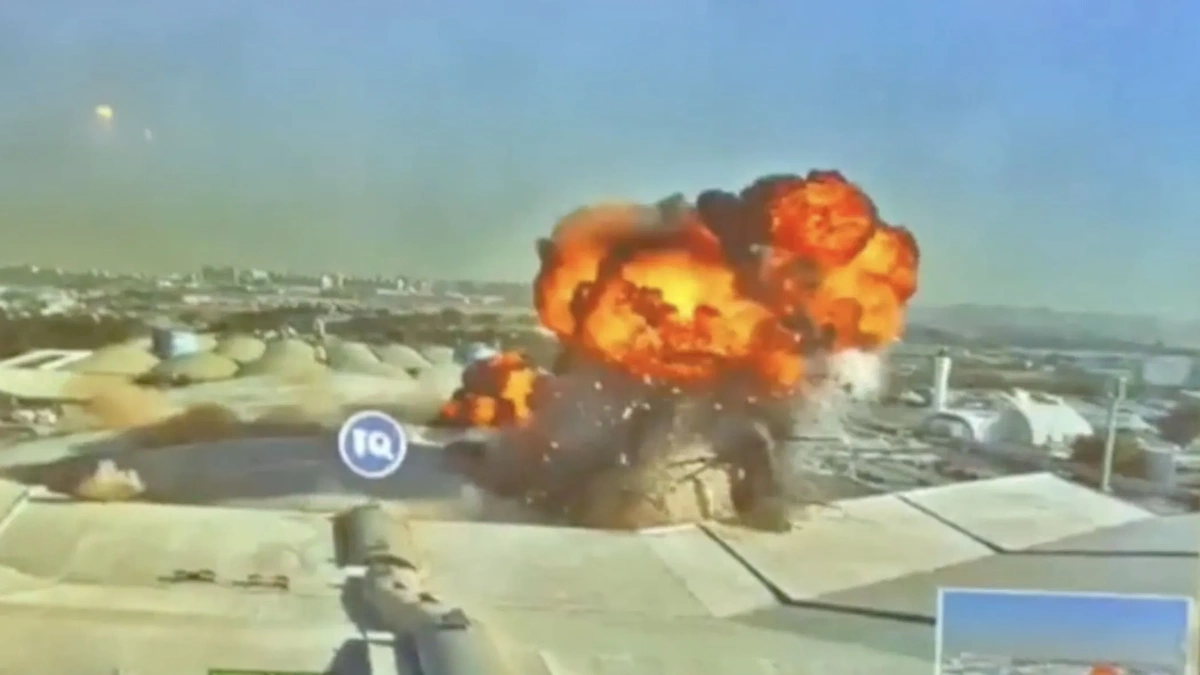
In the aftermath of the attack, Kuwait's armed forces confirmed the incident while Italian officials worked to address the situation. The incident has likely prompted a reassessment of security protocols at facilities housing foreign workers and critical infrastructure. As drone technology continues to evolve, nations like Kuwait will face increasing pressure to develop more sophisticated defense systems capable of neutralizing threats before they can cause harm.