
For Bilkis Bano, the passage of time has not been a healer, but a long, exhausting marathon of legal endurance. For twenty-four years, she has carried the weight of a tragedy that began in the chaos of 2002, a year defined by the gang-rape of Bano and the murder of her family members during the Gujarat riots. At nineteen years old, Bano was thrust into a nightmare that claimed the lives of fourteen family members, a loss that transformed her from a young woman into a symbol of a decades-long quest for accountability.
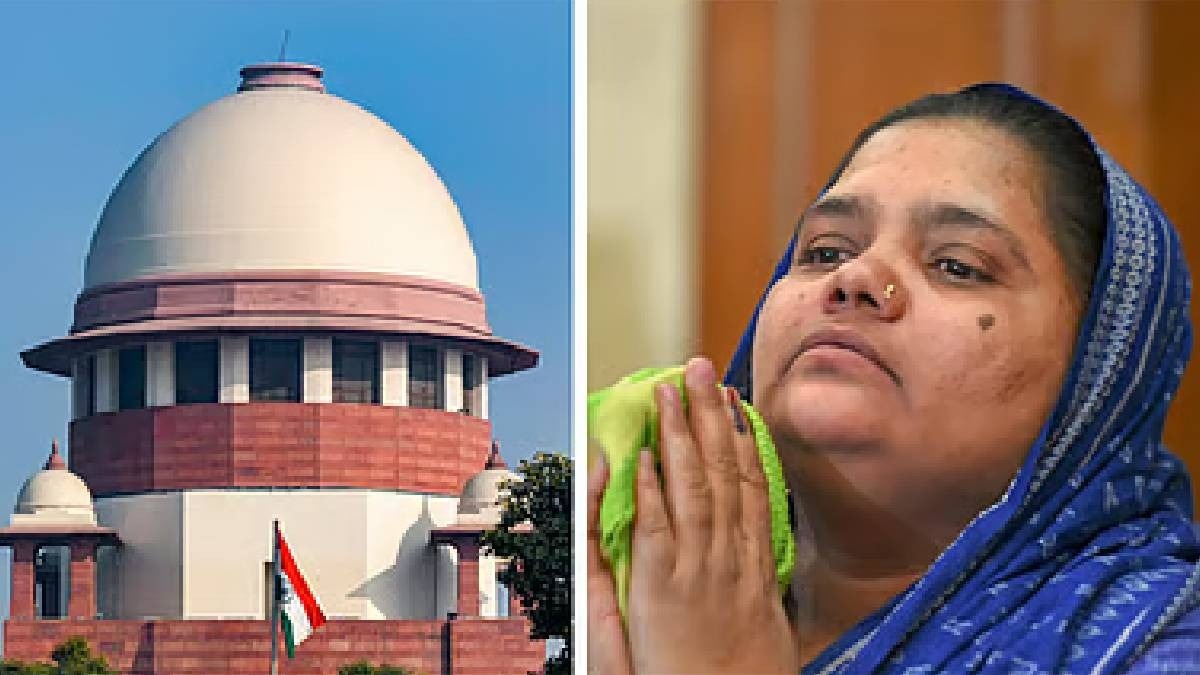
But the stability she sought through the courts has been fractured once again. The Supreme Court has granted bail to two of the eleven convicts involved in the case, a decision that has sent shockwaves through Bano’s life. For a woman who has spent nearly a quarter-century navigating the complexities of the Indian judicial system, this development is not merely a legal setback; it is a profound personal crisis that has reignited the very fears she thought she had managed to contain.
There is a specific kind of distress that comes from learning of life-altering decisions through a news broadcast rather than a courtroom summons. Bano expressed deep shock and distress, noting that the court passed its order without notifying her or allowing her the opportunity to present her side of the story. This lack of communication has left her feeling sidelined in a process that is fundamentally about her own survival and the memory of those she lost.
To see those responsible for such violence return to society through bail is to see the very foundations of her hard-won peace being dismantled.
"I still cannot believe that once again, for a second time, the Supreme Court has given a decision without calling them or hearing them," Bano remarked, reflecting the disbelief of a survivor who expected the highest court in the land to provide a finality that has instead turned into further uncertainty. The realization that the legal machinery can move so decisively without her presence has fundamentally altered her perception of the proceedings.
Justice is often described as a slow process, but for Bano, the recent judicial turn has felt less like a delay and more like a betrayal. She stated plainly that this decision has shaken her faith in the justice system. When the institutions designed to protect the vulnerable and uphold the rule of law appear to bypass the victim, the psychological toll is immense. The legal battle, which has spanned twenty-four years, is no longer just about the convicts; it has become a struggle to believe that the system can still function as intended.
This loss of faith is compounded by the sheer scale of the original crime. The 2002 incident was not a singular act of violence but a devastating series of events involving the gang-rape of Bano and the murder of fourteen family members. To see those responsible for such violence return to society through bail is to see the very foundations of her hard-won peace being dismantled.
To understand Bano's current anxiety, one must understand the duration of her struggle. For twenty-four years, she has been a constant figure in the legal landscape, moving from one hearing to the next, from one appeal to the next. This longevity is a testament to her resilience, but it also highlights the exhaustion that accompanies such a long pursuit of justice. While she noted that public support has been a sustaining force throughout this journey, that support cannot shield her from the immediate, visceral anxiety caused by the recent bail order.
Every legal victory and every setback is measured against the backdrop of those lost in 2002. The eleven convicts in this case represent a dark chapter of history, and the movement of any of them back into the world is a tectonic shift in the narrative of her life. The bail of these two individuals is not just a procedural move; it is a disruption of the equilibrium she has fought to maintain.
Despite the distress and the renewed fear for her family's safety, Bilkis Bano is not retreating. The recent decision has not signaled an end to her fight, but rather a new, more difficult chapter. She has expressed a clear intention to continue her legal battle, seeking to challenge the developments and protect the integrity of the case.
As it stands, the landscape of the case has shifted once more. The Supreme Court's decision has introduced a new layer of complexity to a saga that has already spanned decades. For Bano, the struggle is no longer just about seeking justice for the past, but about defending her right to be heard in the present, as she continues to navigate a system that continues to test the limits of her endurance.