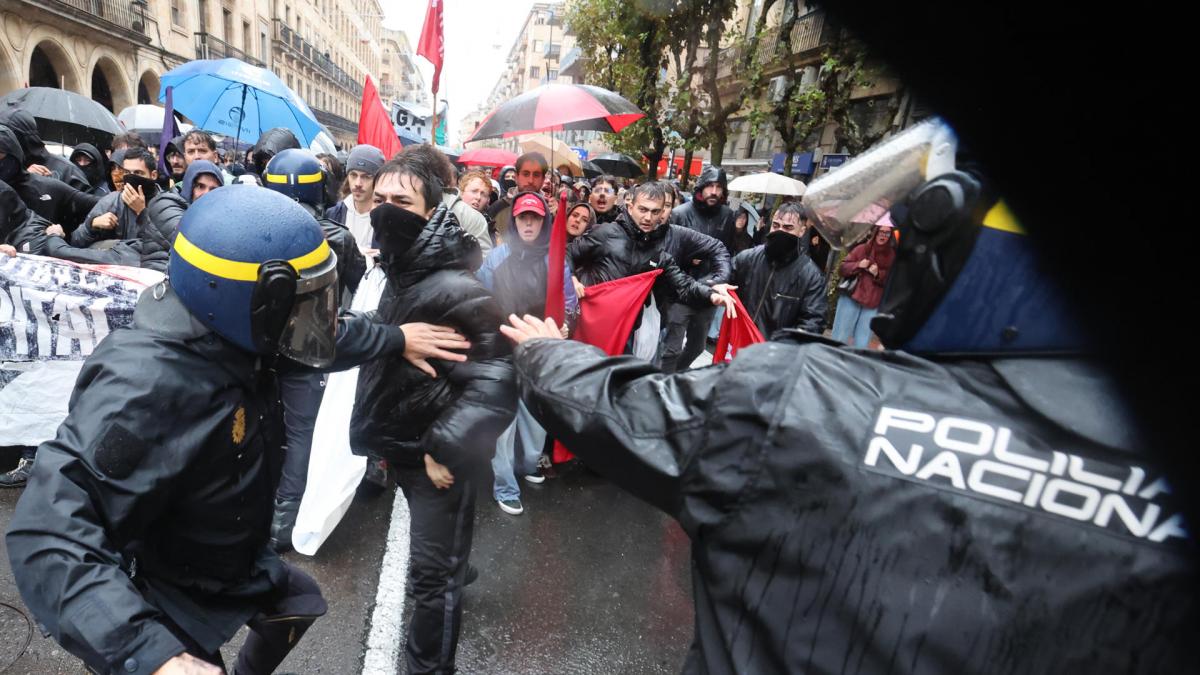
On November 11, 2026, the streets of Spain became the stage for a massive general strike, a day intended to signal widespread labor and social discontent. As the demonstrations unfolded, the focus turned to the specific methods employed by the state to manage the crowds, leading to a national debate over the boundaries of law enforcement and the right to assembly.
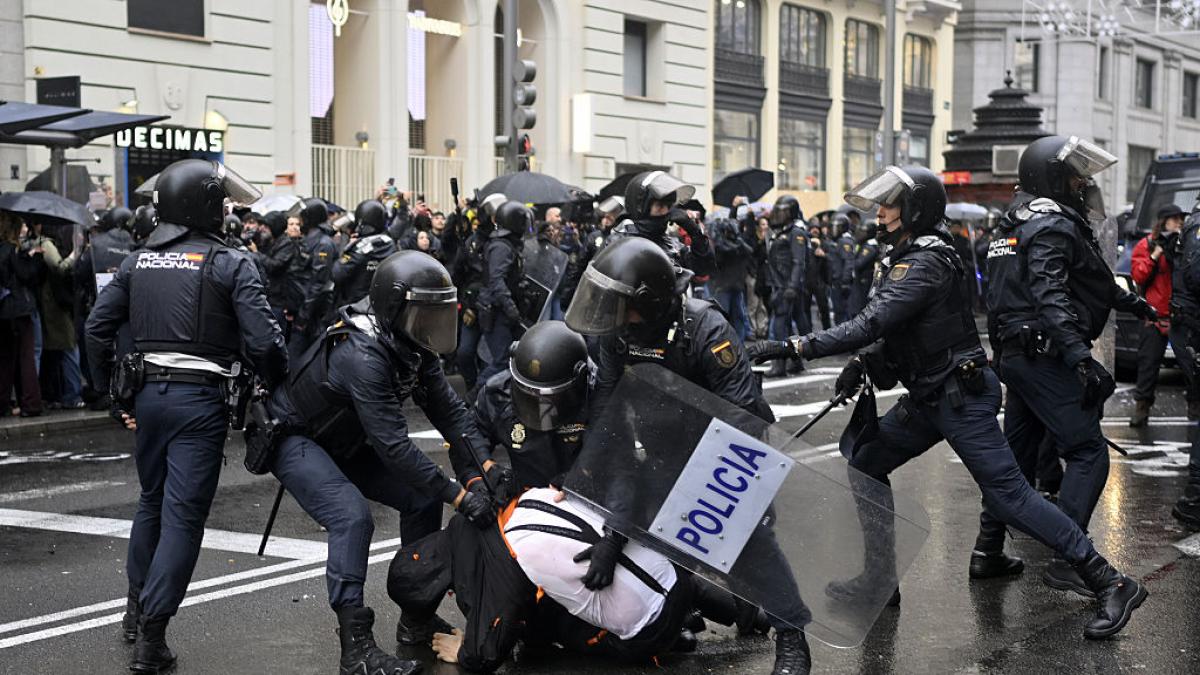
As the protests moved through various Spanish cities, the friction between demonstrators and security forces became quantifiable. According to reports from the National Police and the Guardia Civil, the day was marked by 1,144 distinct incidents. These were not merely minor skirmishes; they represented a widespread pattern of interaction between the public and the state's security apparatus. Amidst this tension, the police forces carried out 47 total detentions, a number that reflects the intensity of the day's clashes.
While the unrest was felt nationwide, certain urban centers bore the brunt of the legal consequences. In Madrid, the capital, the pressure was most visible, with 20 detentions recorded as the city's streets became focal points for the strike's energy. Valencia also saw significant activity, accounting for 6 of the total arrests. These numbers provide a map of where the state's intervention was most concentrated, highlighting the specific geographic nodes where the strike's momentum met the force of the law.
The decision marks a pivot in how the state intends to manage public dissent, moving away from a chemical deterrent that has long been a flashpoint for criticism.
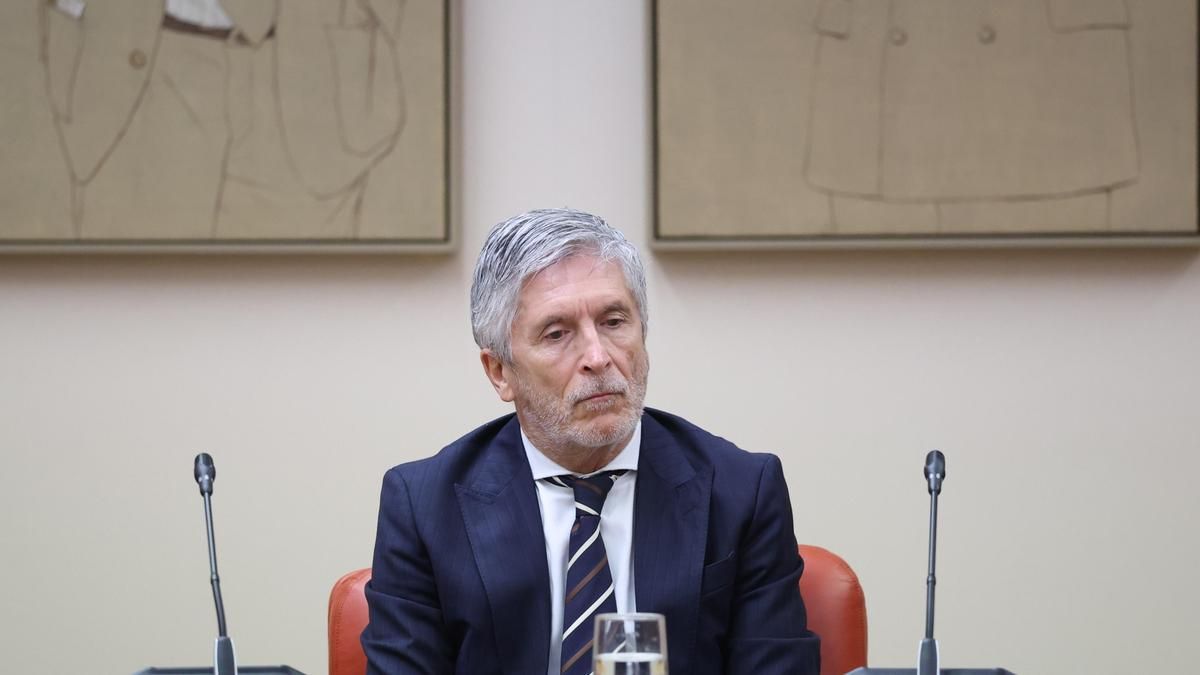
By the following day, November 12, 2026, the political fallout from the previous day’s events began to take shape. Fernando Grande-Marlaska, Spain's Minister of the Interior, moved to address the growing controversy surrounding the tactics employed by the authorities. Recognizing the volatility of the situation, Marlaska ordered specific investigations into the police conduct that occurred during the strike. This move signaled an attempt to parse the line between necessary crowd control and excessive force.
In a significant shift in operational directive, Marlaska also instructed the National Police to cease the use of tear gas in future demonstrations. The decision marks a pivot in how the state intends to manage public dissent, moving away from a chemical deterrent that has long been a flashpoint for criticism. By targeting the specific tools of engagement, the Ministry is attempting to recalibrate the state's response to the very type of mass mobilization seen during the general strike.
However, the government's internal response has not silenced the voices of its critics. The opposition has reacted sharply to the events of November 11, with parties such as Podemos and Frente Amplio calling for the resignation of Minister Marlaska. For these groups, the incidents of the strike are not merely procedural errors to be investigated, but systemic failures that demand a change in leadership. The calls for resignation represent a deepening political divide over how much authority the Ministry of the Interior should wield during times of civil unrest.
Despite the mounting pressure from the left, the Spanish government has maintained a unified front regarding its leadership. Félix Bolaños has dismissed the calls for Marlaska's departure, effectively ruling out the dismissal of the Minister of the Interior. Rather than viewing the incidents as a reason for leadership change, the administration has framed the situation as one of internal review. Bolaños has suggested that the responsibility for determining the legitimacy of the police actions lies within the institution itself.
As the investigations proceed, the central question remains one of balance. The government's stance is that the determination of whether force was used appropriately must be left to those who understand the mechanics of law enforcement. As Bolaños noted, the focus must remain on whether there was a disproportionate use of force in any specific element of the police response. For now, the nation waits to see if the investigations will yield a new standard for policing or if the political rift over the strike will continue to widen.