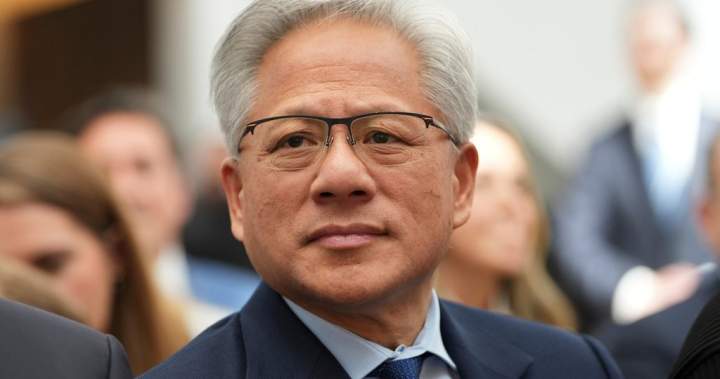
In the high-stakes world of artificial intelligence and advanced computing, Nvidia has long stood as a towering figure. Yet the company now finds itself at the center of a political firestorm, with its ousted CEO, Jensen Huang, preparing to testify before Congress on what lawmakers describe as a 'potential breach of national security.' The tech giant's journey to this moment began in late November 2026, when Huang agreed to appear before three powerful House committees on December 1: the House Foreign Affairs Committee, the Select Committee on the Chinese Communist Party, and the House Intelligence Committee. The following day, Nvidia's General Counsel Tim Teter is scheduled to face similar questioning. This unprecedented congressional inquiry stems from allegations that Huang maintained an affair with a suspected Chinese intelligence asset, a claim that has sent shockwaves through Washington and Silicon alike.
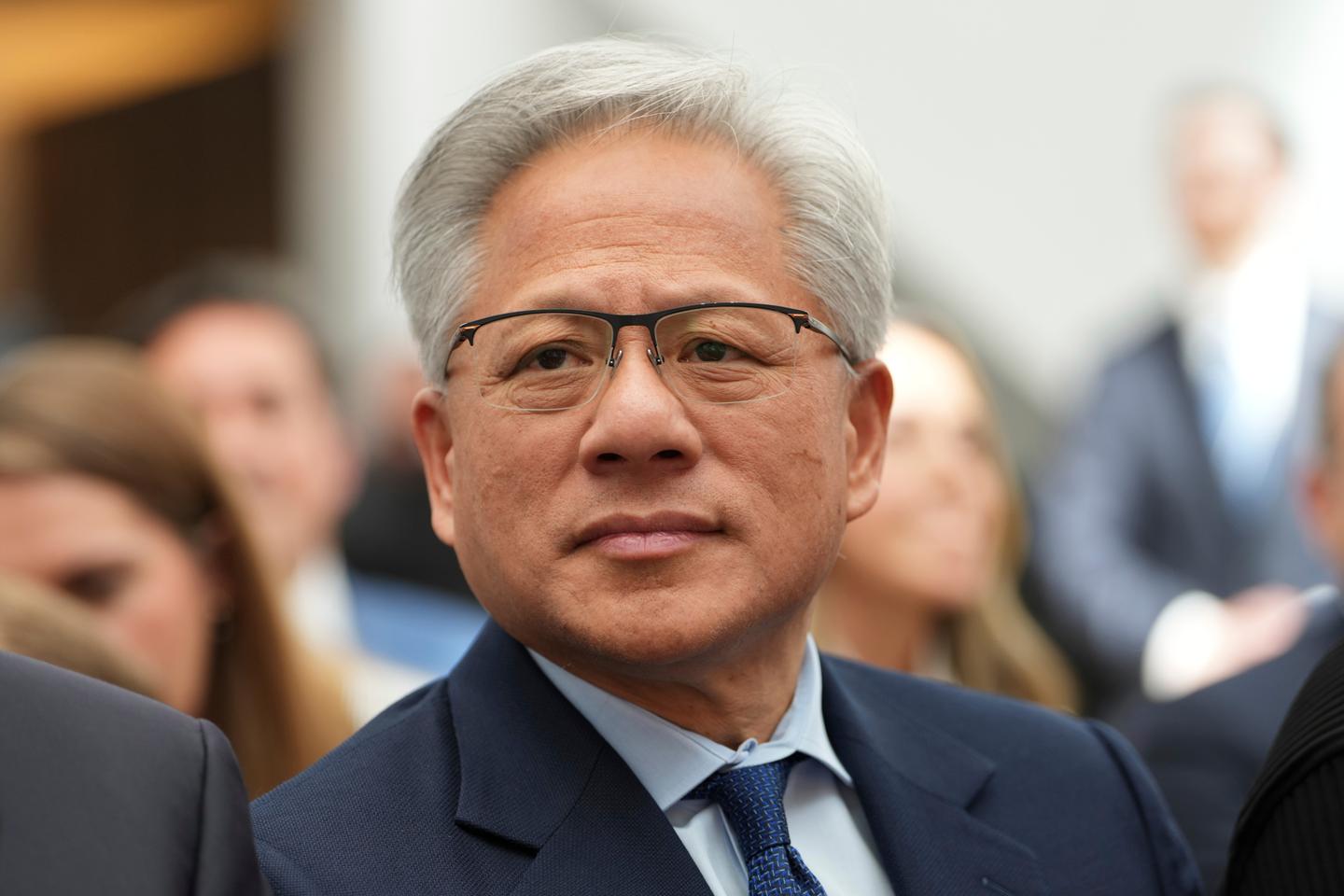
The investigation into Huang and Nvidia represents a dramatic escalation in the ongoing tensions between American tech companies and national security concerns. Lawmakers have been particularly alarmed by the possibility that advanced American chips—those essential for cloud computing and data centers—could fall into the wrong hands. 'We look forward to hearing from Jensen Huang and Tim Teter on their roles in a potential breach of our national security,' declared congressional representatives, who have framed the hearings as critical to understanding the full scope of the potential security risks. The allegations have cast a long shadow over Nvidia, which has built its reputation on producing some of the world's most sophisticated computing hardware.
As Huang prepares for his testimony, the pressure on Nvidia continues to mount. The company faces intensifying national scrutiny not only for its relationship with China but also for how it manages sensitive technology exports. In response to the growing concerns, Nvidia announced the creation of a new board committee specifically tasked with overseeing national security and export controls. This move appears to be an attempt by the company to demonstrate its commitment to addressing lawmakers' concerns while continuing to operate in an increasingly complex geopolitical landscape. The timing of this announcement—coinciding with Huang's agreement to testify—suggests Nvidia is attempting to navigate these treacherous waters with both caution and cooperation.
Lawmakers have been particularly critical of what they perceive as lax oversight in this area.
At the heart of the congressional inquiry lies Nvidia's relationship with China, where its advanced chips are in high demand. The company has faced restrictions on the sale of certain technologies to China, a policy designed to prevent American innovations from being used against national interests. Lawmakers have been particularly critical of what they perceive as lax oversight in this area. 'The American people need answers on Mr. Huang and Nvidia's role in allowing dangerous PRC actors to access our most advanced chips, as well as the role of a potential Chinese intelligence asset in this scandal,' representatives stated, underscoring the seriousness with which they view the allegations. The potential connection between Huang and a suspected intelligence operative has only deepened these concerns, raising questions about whether Nvidia's business practices may have inadvertently compromised American security.
In the face of mounting pressure, Nvidia has sought to present itself as a responsible corporate citizen committed to both innovation and security. Harvey Jones, a company spokesperson, emphasized this dual commitment: 'We are committed to working constructively with government and industry partners to help establish and advance a robust framework that uses every tool at our disposal to safeguard national security while supporting continued technological innovation.' This statement reflects Nvidia's attempt to balance its business interests with its obligations to national security—a challenge that has become increasingly difficult in an era of heightened geopolitical tensions. The company's decision to establish a new board committee dedicated to these issues suggests it recognizes the need for greater oversight and transparency in its operations.
The Nvidia investigation has drawn attention from across the political spectrum, with former President Donald Trump offering a surprising perspective on the situation. When asked about the congressional scrutiny, Trump responded with characteristic brevity: 'Yes, that's a good idea. It's a great company.' He later added, 'It's a great idea,' signaling his support for Nvidia despite the serious allegations facing its former CEO. This unexpected endorsement stands in contrast to the more critical stance taken by many current lawmakers, highlighting the complex and often unpredictable nature of political reactions to corporate scandals. Trump's comments suggest that even amid serious national security concerns, Nvidia maintains significant political capital and public support.

Former Nvidia CEO to appear before Congress in December https://t.co/YDJIH7l4Dk
As December 1 approaches, all eyes will be on Jensen Huang as he prepares to testify before Congress. The hearings represent a critical moment for both Nvidia and the broader tech industry, as they navigate the increasingly fraught intersection of technological advancement and national security. The outcome of these proceedings could have far-reaching implications for how American companies operate in China and how they manage sensitive technologies in an era of intense geopolitical competition. For now, Nvidia finds itself at a crossroads—attempting to maintain its position as a technological leader while addressing serious questions about its past practices and future commitments to national security. The company's response to this crisis will likely shape its reputation for years to come, as well as set important precedents for the tech industry as a whole.