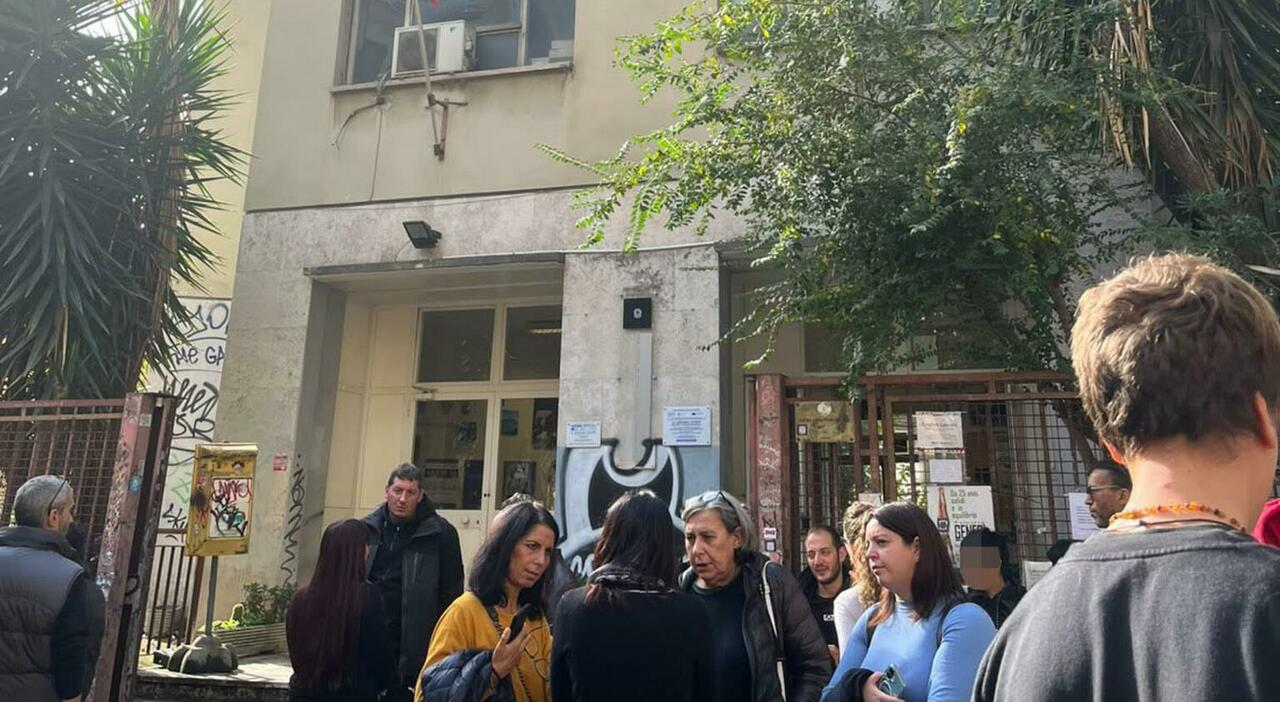
On the morning of May 22, 2024, the routine of the Italian school day was shattered by a series of digital intrusions. Across the country, from the bustling streets of Rome and Milan to the coastal reach of Naples and the northern city of Varese, administrators opened their inboxes to find a chilling message. The emails, sent to over a hundred institutions, carried a singular, terrifying promise: that explosive devices had been concealed within plastic bags on school grounds. The effect was immediate and nationwide. By the end of the day, authorities had evacuated at least 300 schools, turning quiet hallways and classrooms into scenes of urgent, orderly exodus. As one school in Rome communicated to parents, the priority became absolute: 'Following a nationwide bomb alert, we wish to inform you that all students have been taken to a safe area and remain under the supervision of teaching staff.'

The messages were signed by an individual identifying as Mikhail Antropov—sometimes rendered as Andropov—who claimed to be the leader of a group calling itself the 'Vilayat of Misoginistan.' The rhetoric contained within the emails was extreme and designed to incite maximum panic. The sender declared, 'We have come to annihilate you. We will carry out a genocide against the Italians.' Beyond the threats to students and staff, the emails took aim at the highest level of the Italian government, alleging that a bomb had been planted in the engine of Prime Minister Giorgia Meloni’s car. These claims, while currently under intense scrutiny by law enforcement, represent a calculated attempt to destabilize the sense of security in both the public and political spheres.

European security agencies probe whether bomb hoaxes started in Russia https://t.co/wHOD7MGOAy
This wave of threats did not occur in a vacuum. It follows a similarly disruptive incident that took place in recent days, which targeted 280 school principals. The repetition of these events suggests a coordinated effort to overwhelm the capacity of Italian school administrators and security services. Education Minister Giuseppe Valditara, speaking to the La7 television channel, confirmed the scale of the crisis, noting that the 300 schools evacuated by Wednesday might not be the final count. As police launched a comprehensive investigation, the sheer volume of alerts forced a national mobilization of security forces, who were tasked with conducting exhaustive sweeps of every institution named in the messages.
Yet, in an era where digital threats can translate into real-world panic, the authorities have little choice but to treat every alert as a credible risk.
The timing and nature of these threats have placed them within a broader, more concerning context of European security. Officials are increasingly wary of what is termed 'hybrid warfare'—a strategy that uses non-military means, such as cyber-attacks, disinformation, and widespread public intimidation, to undermine the stability of critical infrastructure. By targeting the education system, the perpetrators are not just threatening physical harm; they are attacking the social fabric of the country, aiming to create a climate of fear and uncertainty that disrupts the daily lives of millions of citizens.
As the investigations proceed, the primary challenge for Italian authorities is to distinguish between genuine danger and the work of bad actors seeking to leverage fear for political or psychological impact. Defense Minister Guido Crosetto has characterized the perpetrators as 'mitomani'—mythomaniacs—suggesting that the primary goal is the creation of chaos rather than the execution of the violence described in the emails. Yet, in an era where digital threats can translate into real-world panic, the authorities have little choice but to treat every alert as a credible risk. The evacuation of 300 schools is a testament to the caution required when the threat of violence is used as a weapon against the most vulnerable parts of society.
As of now, the situation remains fluid. While the security sweeps continue, the psychological impact of the day’s events is already being felt in communities across Italy. The incident serves as a stark reminder of how easily the digital world can pierce the physical safety of a classroom. For now, the investigation into the 'Vilayat of Misoginistan' and the identity of the person behind the pseudonym continues, leaving the nation to grapple with the reality that, in the age of hybrid threats, the classroom is no longer a sanctuary from the complexities of global instability.