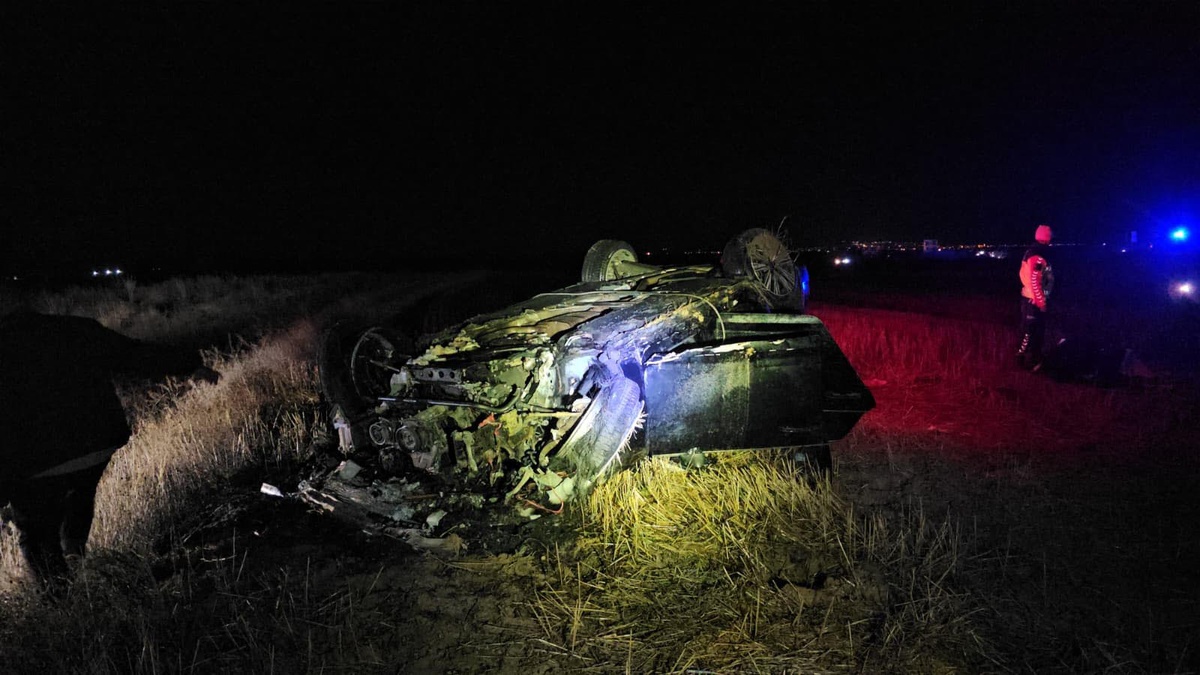
The road in Kulu, a district nestled in the western reaches of Konya Province, does not usually make headlines in the halls of Ankara. But on a date in 2026, that stretch of asphalt became the site of a tragedy that cut through the academic and political lives of a prominent university leader. Prof. Dr. Sevim Aydın died in a car accident that involved the family of Prof. Dr. Kemalettin Aydın, the Rector of Health Sciences University. For a moment, the rigid structures of Turkish public life fell silent to acknowledge a private loss, before the machinery of politics began to turn once more.
Prof. Dr. Kemalettin Aydın is a figure who straddles two worlds in the Turkish system. As the Rector of Health Sciences University, he occupies a position of immense administrative and academic weight, overseeing one of the country’s major institutions for medical and scientific research. His career is also woven into the fabric of the Justice and Development Party. This dual identity means that his personal life, and the lives of those closest to him, are inescapably public. When tragedy strikes, the public sphere and the private sphere collapse into one another. Sevim Aydın was not just his wife; in the eyes of the political class, she was part of the apparatus, a companion in the shared struggle of public service.
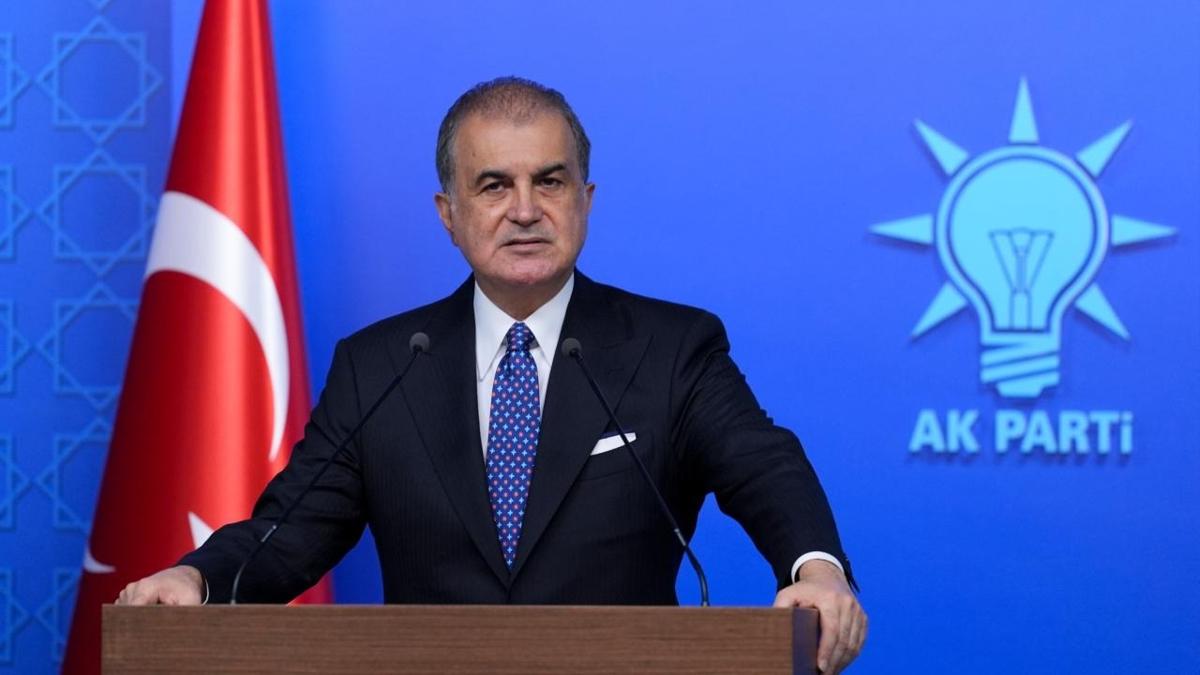
The immediate response to the death of Prof. Dr. Sevim Aydın was swift, reflecting the high-speed nature of modern political communication. A representative of the AK Party issued a condolence message that served a dual purpose. It was, first and foremost, a statement of grief from the party that claims to be the voice of the nation. But it was also a strategic communication tool, reinforcing the bond between the party and its former members. In the political calculus of the ruling elite, showing solidarity with a fallen comrade is a way of cementing loyalty and demonstrating that the party cares for the whole of its community, not just its members in power.
It is a tragedy that binds the rector more tightly to the party than his academic achievements ever could.
The language of the statement is a study in the ritual of political mourning. It begins with the formulaic declaration that the deceased has 'reached the mercy of the Creator,' a common phrase in Turkish condolences that acknowledges the religious dimension of death. But then, it pivots to a very specific political framing. The statement referred to Prof. Dr. Kemalettin Aydın as a 'companion on the road' and a 'member of parliament in previous periods.' This is a deliberate choice of words. By invoking his past role as a legislator, the party reminds the public that the rector is not just an academic, but a fellow traveler in the political journey of the Justice and Development Party. He is 'our' companion. The loss of his wife is, therefore, a loss to the party community as a whole. It is a tragedy that binds the rector more tightly to the party than his academic achievements ever could.
This is the essence of the modern political obituary. It is not just a marker of death; it is a tool for political cohesion. By publicly honoring Prof. Dr. Sevim Aydın, the AK Party sends a message to its own base: we see you, we grieve with you, and we remember your contributions to our shared cause. It is a moment where the personal is made political, where the grief of a family becomes a resource for the party that led them into power. The accident in Kulu is, in this sense, a catalyst for a specific kind of political reinforcement. The road that led to the tragedy is the same road that has led the AK Party to the top of the political system. And in this moment of grief, they reaffirm their bond on that road.
In the end, the story of Prof. Dr. Sevim Aydın’s death is a story about the inescapable public nature of power in modern Turkey. For figures like Kemalettin Aydın, who move between the academy and the political elite, there is no private sphere. Their joys and sorrows are public events, interpreted and reinterpreted by the political class. The car accident is a tragedy, yes, but it is also a moment that highlights the unique way the Justice and Development Party manages its own grief. It turns personal loss into a public ritual, reaffirming the loyalty and solidarity that keeps the ruling coalition together. The road in Kulu remains what it is, but in the eyes of Ankara, it has become a place where the personal and the political are forever entangled.