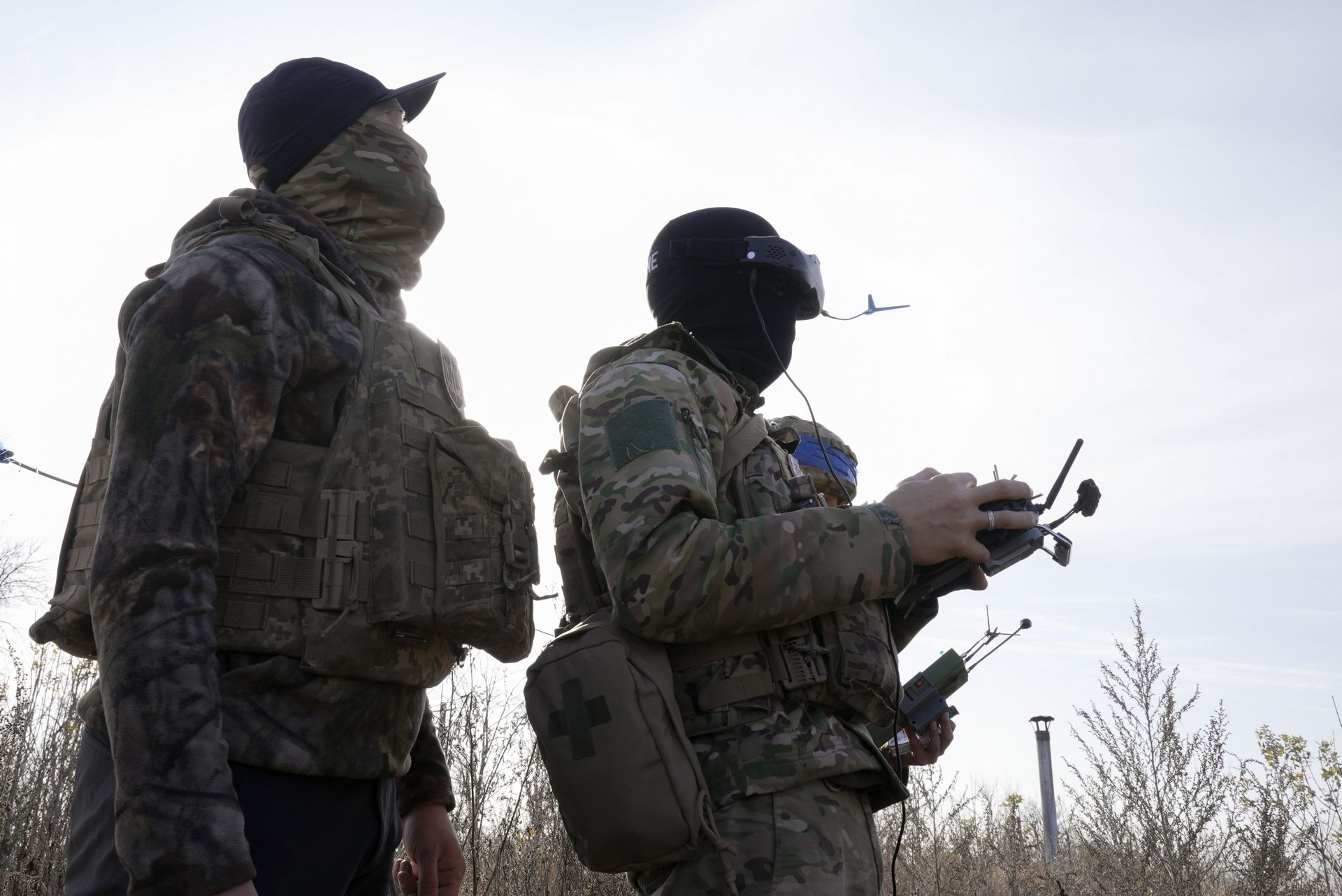
In the high-stakes theater of modern warfare, where the difference between a successful interception and a devastating strike is measured in milliseconds and meters per second, a new kind of barrier has emerged. It is not a physical wall or a trench, but a digital one. For several days leading up to November 12, 2026, Ukrainian military units have been grappling with what appears to be a sudden, artificial limitation on their most vital technological assets.

The disruption centers on Starshield, a critical system used by Ukrainian forces to maintain operational awareness and combat capabilities. According to President Volodymyr Zelenskyy, the system has been experiencing significant disruptions across the entirety of the Ukrainian front line, extending even into temporarily occupied territories. This is not a localized glitch or a flickering signal in a single sector; it is a widespread phenomenon that has fundamentally altered the mechanics of the air war.
At the heart of the crisis is a specific, mathematical constraint. Zelenskyy has identified that these disruptions are not the result of chaotic interference or random technical failures. Instead, the military has encountered systematic speed restrictions. Specifically, the Starshield system has been operating under a cap of 161 kilometers per hour—roughly 100 miles per hour.
These high-velocity unmanned aerial vehicles are designed to move with a speed and agility that traditional defenses struggle to match.
To a civilian, such a speed might seem significant, but in the context of aerial combat, it is a crippling bottleneck. Modern warfare is increasingly defined by the velocity of unmanned systems. When the tools used to track, coordinate, and intercept these threats are themselves constrained by a digital governor, the entire defensive architecture begins to stutter. The Ukrainian military has conducted its own internal checks, confirming that these are not accidental errors, but deliberate, systematic restrictions.
The implications of this speed cap are most visible in the fight against Russia's evolving arsenal. The battlefield is no longer just a contest of slow-moving propellers; it is increasingly a race against jet-powered drones. These high-velocity unmanned aerial vehicles are designed to move with a speed and agility that traditional defenses struggle to match.
When the Starshield system—which plays a vital role in the interception process—is restricted to 161 kilometers per hour, it loses the ability to keep pace with these advanced threats. The math of interception is unforgiving: if the intercepting system cannot reach sufficient speeds in time to meet the incoming drone, the mission fails. By capping the speed of the system, the technical environment has been tilted in favor of the attacker.
The cost of this technical friction is measured in human lives and structural destruction. Zelenskyy has been blunt about the consequences of these restrictions, noting that the inability to intercept these drones effectively has already allowed Russian strikes to penetrate Ukrainian defenses.

When a drone bypasss an interception system because the system could not accelerate quickly enough to meet it, the result is a successful strike on a target that might otherwise have been protected. Zelenskyy warned that these limitations, in effect, help the Russians carry out more accurate strikes and increase the lethality of their operations against Ukrainian people. The gap between the speed of the threat and the speed of the defense has become a corridor for Russian aggression.

⚡#BREAKING Ukrainian President Volodymyr Zelenskiy says intelligence indicates Russian forces are planning new strikes on energy targets, infrastructure and bridges across the Dnipro River
As the disruptions persist along the front lines, the focus has shifted from tactical troubleshooting to a high-level diplomatic and technical inquiry. The Ukrainian government is not treating this as a mere hardware malfunction, but as a matter requiring urgent clarification from their primary technological partner.
Ukraine is currently working with the United States to establish the specific circumstances behind these disruptions. Because Starshield is a system tied to American technology and coordination, the question of why these systematic restrictions have appeared—and why they are being applied in this manner—requires a joint investigation. The goal is to understand whether these limits are the result of technical protocols, external interference, or other systemic factors that have suddenly altered the operational landscape.
As of November 12, 2026, the situation remains a critical variable in the ongoing conflict. The Ukrainian military continues to operate under these constraints, fighting a war where the very tools meant to provide an edge are being held back by a digital ceiling. While the investigation with the U.S. side continues, the reality on the ground remains unchanged: the drones are fast, the restrictions are real, and the window for interception is narrowing.