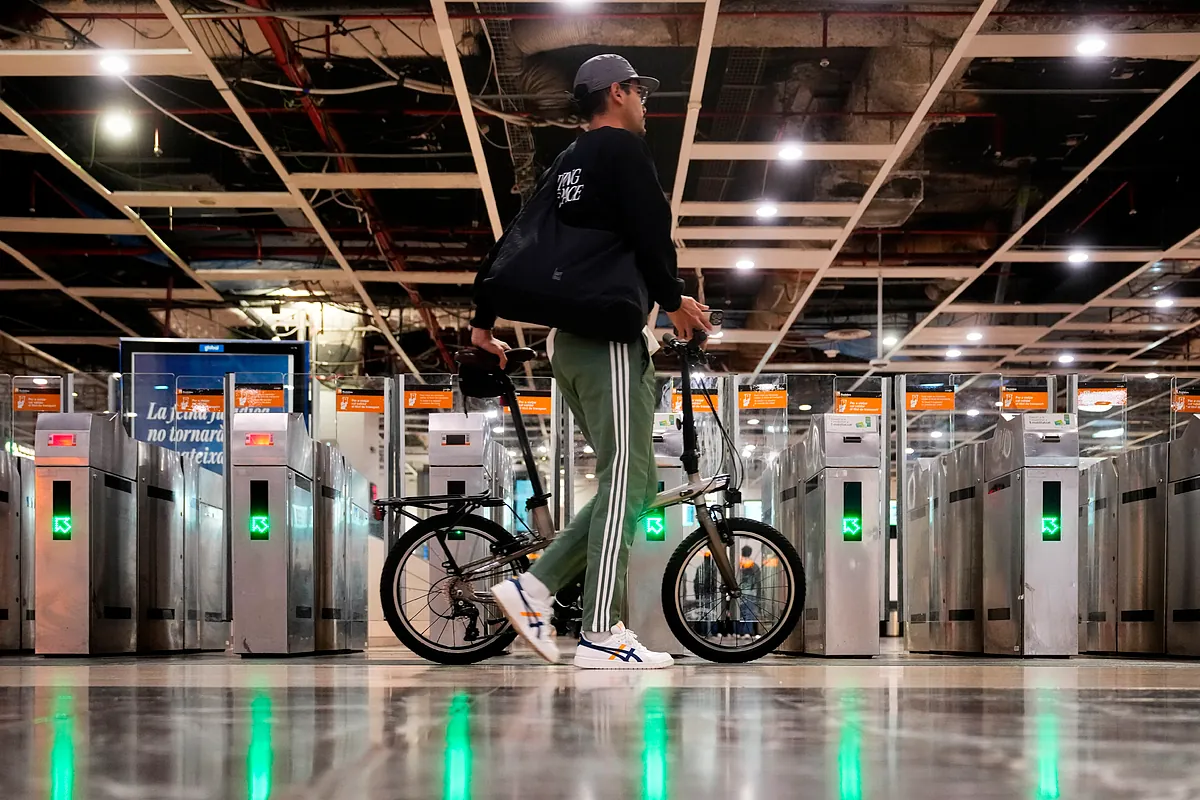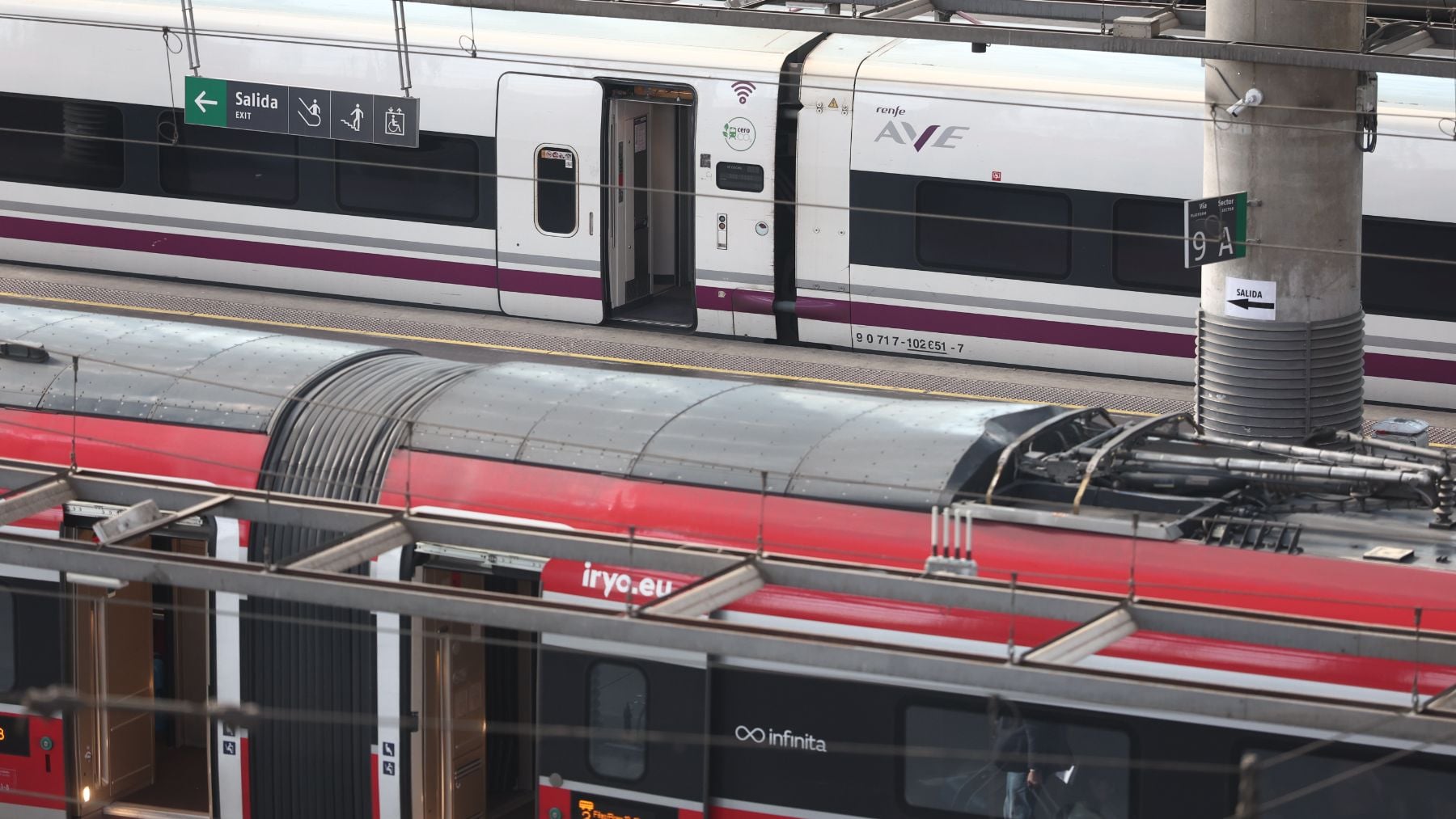
On the morning of 2026-11-02, the rhythm of daily life in Spain was disrupted not by a storm or a strike call from above, but by a quiet refusal at the controls. The Spanish train drivers' union, Semaf, initiated a two-day strike targeting Renfe's rail services. This action sent shockwaves through the network, affecting high-speed lines, medium-distance routes, and commuter lines alike. The disruption was immediate and severe, with authorities advising passengers to seek alternative transportation. For those dependent on the rails, the morning commute became an exercise in improvisation rather than routine.
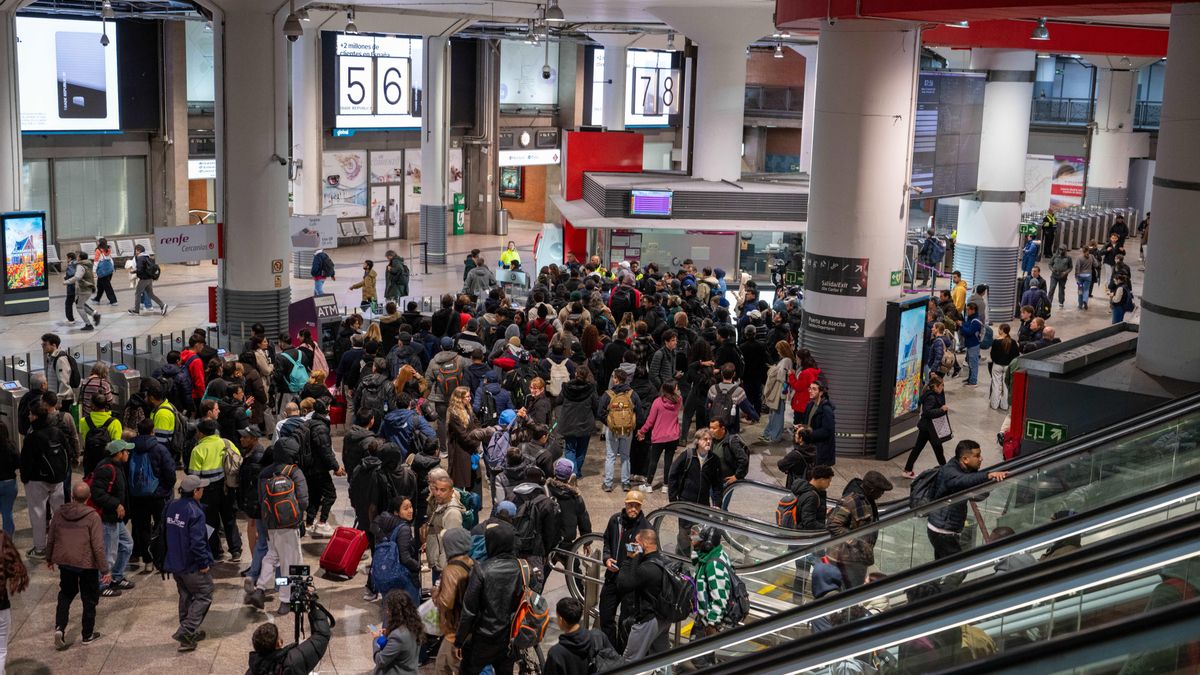
For millions of Spaniards, the railway is not just a mode of transport but the primary artery of their daily existence. Commuter rail, known as Cercanías, serves 448 million passengers annually. This figure represents a staggering volume of human movement that underpins the nation's economic pulse. Furthermore, 82 percent of total national rail travelers use Cercanías, making it the dominant force in the country's public transit landscape. When this system falters, the impact is felt across the entire population, turning a localized industrial dispute into a nationwide logistical challenge. The sheer scale of these numbers highlights why the government considers service levels critical infrastructure rather than mere convenience.
The tension between the operator and the workers is rooted in specific performance expectations set by government authorities. These authorities had established a minimum of 75 percent of usual circulations during peak hours. During off-peak hours, the mandated minimum service level sits at 50 percent. These thresholds were designed to ensure that essential mobility remained available even when demand fluctuated. However, the current situation has led to significant service failures, with Renfe failing to meet government-mandated minimum service levels.
This claim transforms the dispute from a simple labor negotiation into a question of public safety and regulatory compliance.
Semaf, the union representing the drivers, initiated the strike due to alleged failures to uphold safety protocols. The union argues that the conditions under which the trains operate do not meet the standards necessary for safe travel. This claim transforms the dispute from a simple labor negotiation into a question of public safety and regulatory compliance. By halting operations, Semaf aims to pressure the administration to address these underlying issues before further incidents occur. The threat of a general strike on November 11th adds urgency to the negotiations, signaling that the union views the current impasse as potentially unsustainable if not resolved quickly.
In response to the growing chaos, Renfe issued a directive to the public regarding how to navigate the crisis. They stated: "Recomendamos alternativas al transporte ferroviario". This recommendation serves as a warning to passengers that the rail network cannot guarantee its usual reliability during the strike period. While the company maintains neutrality regarding the cause of the halt, the message is clear: reliance on the train line is no longer viable for many journeys. Passengers are being directed toward buses, cars, or other modes of transport to mitigate the impact of the work stoppage. This shift places the burden of finding new routes squarely on the shoulders of the traveler.
As the first day of the two-day train drivers' strike concludes, the focus shifts to the weeks ahead. Further disruptions are expected on Thursday, continuing the pattern of instability introduced by the initial walkout. The most significant looming event is a general strike scheduled for November 11th. This date marks a potential escalation where the scope of the disruption may expand beyond the specific rail lines targeted initially. Authorities have already advised passengers to seek alternative transportation, anticipating that the cumulative effect of these events could leave large segments of the population stranded without reliable access to their workplaces or homes.
The situation remains fluid as the strike enters its second day. The intersection of Semaf's demands, Renfe's operational limits, and the government's regulations creates a complex web of dependencies. With 448 million annual passengers affected by the Cercanías network alone, the stakes remain incredibly high. The failure to meet the 75 percent peak hour mandate during this period underscores the fragility of the system when key personnel are absent. As the clock ticks toward the November 11th general strike, the expectation is that the resolution will determine whether the rail grid stabilizes or continues to fracture under the weight of unresolved labor disputes.