
In the high-stakes theater of Test cricket, momentum is often measured in wickets and runs, but sometimes, it is measured by the sudden, jarring impact of a ball against a helmet. During the second Test match against New Zealand in Christchurch, the Indian side faced a moment of sudden instability. On the third day of play, on November 29, 2026, Akash Deep—a bowler who had become a central figure in India's strategy—was struck on the helmet while batting. The impact was more than just a momentary pause in the game; it was a physical setback that would fundamentally alter the composition of the playing eleven.
To understand the gravity of Deep's absence, one must look at the work he had already completed on the pitch. He had not merely been a participant in the match; he had been a protagonist. In the first innings, Deep had delivered a commanding performance, claiming 5 wickets and establishing himself as a primary threat to the New Zealand lineup. His ability to find rhythm and break partnerships had provided the Indian bowling attack with its backbone. Even as he stepped up to the crease to bat, contributing 29 runs to the score and participating in a 46-run partnership for the eighth wicket, his value to the team was evident in both disciplines.
Cricket operates under a complex set of regulations designed to protect athletes from the long-term neurological effects of head trauma. When the injury occurred, the Board of Control for Cricket in India (BCCI) had to act swiftly to adhere to these safety protocols. The BCCI confirmed via social media that because the injury involved a hit to the helmet, the medical necessity of the situation triggered the concussion substitute rule. This rule allows a team to replace a player who has been ruled out due to concussion symptoms with a substitute who can perform the same role, ensuring that the competitive balance of the match is not unfairly skewed by a medical emergency.
He was not a stranger to this tour; he had been part of the first Test in Wellington.
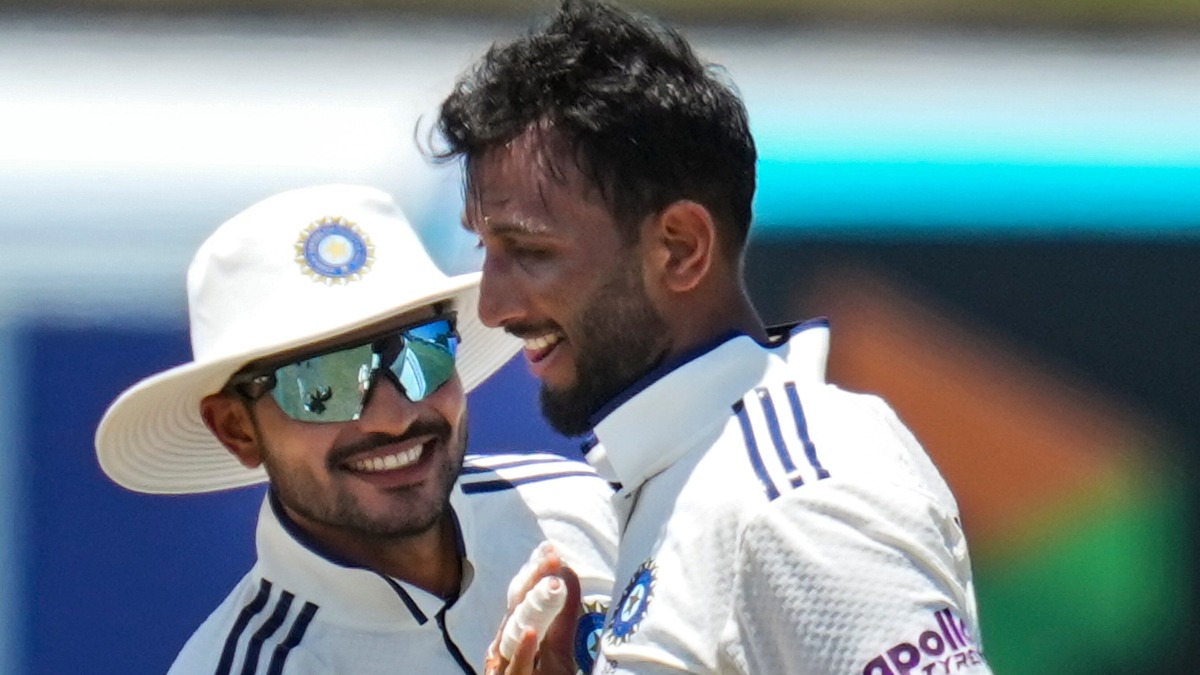
With Deep ruled out, the vacancy in the playing XI was filled by Prasidh Krishna. Krishna’s inclusion was a development that carried its own layer of narrative tension. He was not a stranger to this tour; he had been part of the first Test in Wellington. However, his performance in that opening match had been considered underwhelming, a factor that had led to his initial exclusion from the squad for this second Test in Christchurch. His sudden return was not a matter of tactical choice in the traditional sense, but a direct consequence of the medical emergency unfolding on the field.
As the match continues under the shadow of the injury, the focus has shifted from the scoreboard to the medical tent. The BCCI medical team is currently monitoring Akash Deep's condition to determine the extent of the impact and the duration of his recovery. For a player who had just demonstrated such significant form, the uncertainty of his availability adds a layer of tension to the Indian camp. The team must now rely on Krishna to replicate the intensity that Deep brought to the first innings, stepping into a role that was momentarily vacated by a sudden, violent collision.
As the second Test against New Zealand progresses, the tactical landscape has been irrevocably changed. The loss of a bowler who had already secured 5 wickets in a single innings is a significant blow to the team's rhythm. While the concussion substitute rule provides a mechanism for continuity, the psychological and tactical shift of replacing a player in peak form with one who was previously sidelined is a challenge that the Indian side must navigate in real-time. The match in Christchurch has become as much a test of resilience and regulatory application as it is a contest of skill between two nations.