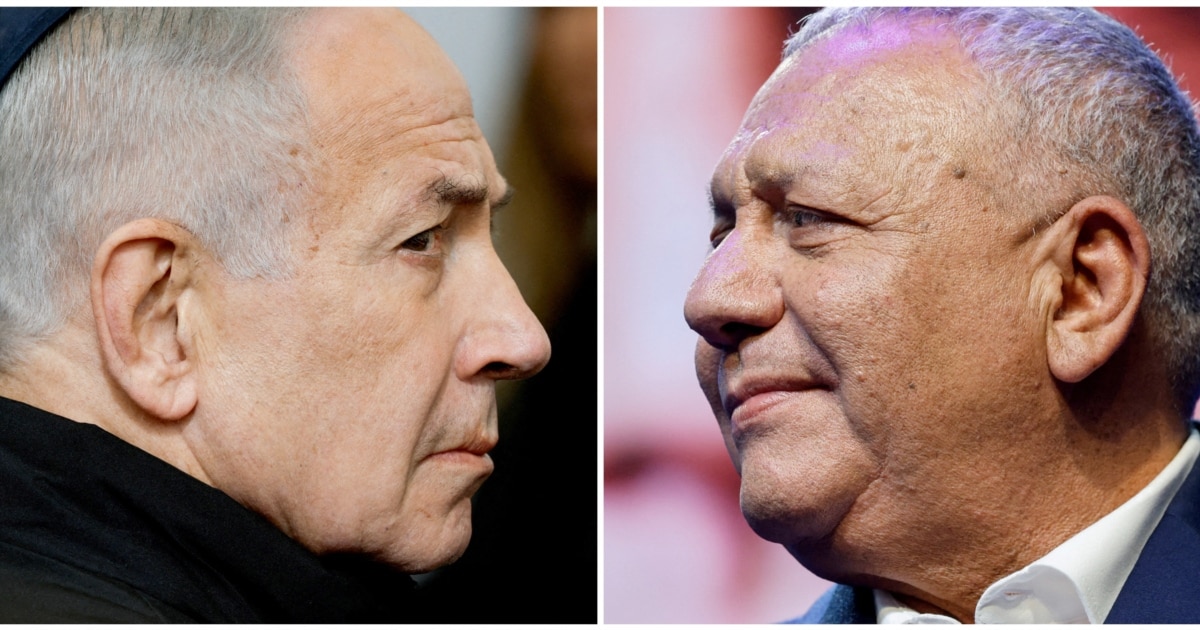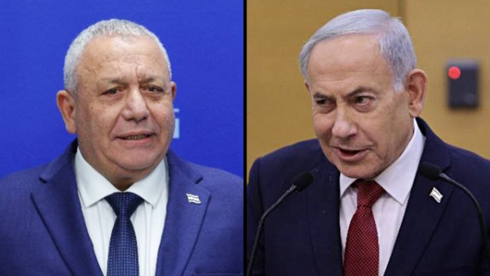
For Israelis watching the political maneuvering in recent weeks, the situation has become a familiar, if frustrating, pattern. Following elections, the country has found itself in a period of uncertainty as parties negotiate to form a governing coalition. This time, however, the stakes feel particularly high. Benjamin Netanyahu, currently serving as caretaker Prime Minister, faces a hard deadline of December 6 to assemble a government. If he fails, new elections will be triggered – a prospect few in the country seem eager to embrace. The core issue is that no single party won a clear majority in the recent vote, necessitating complex negotiations to bring together enough support for a functioning government.
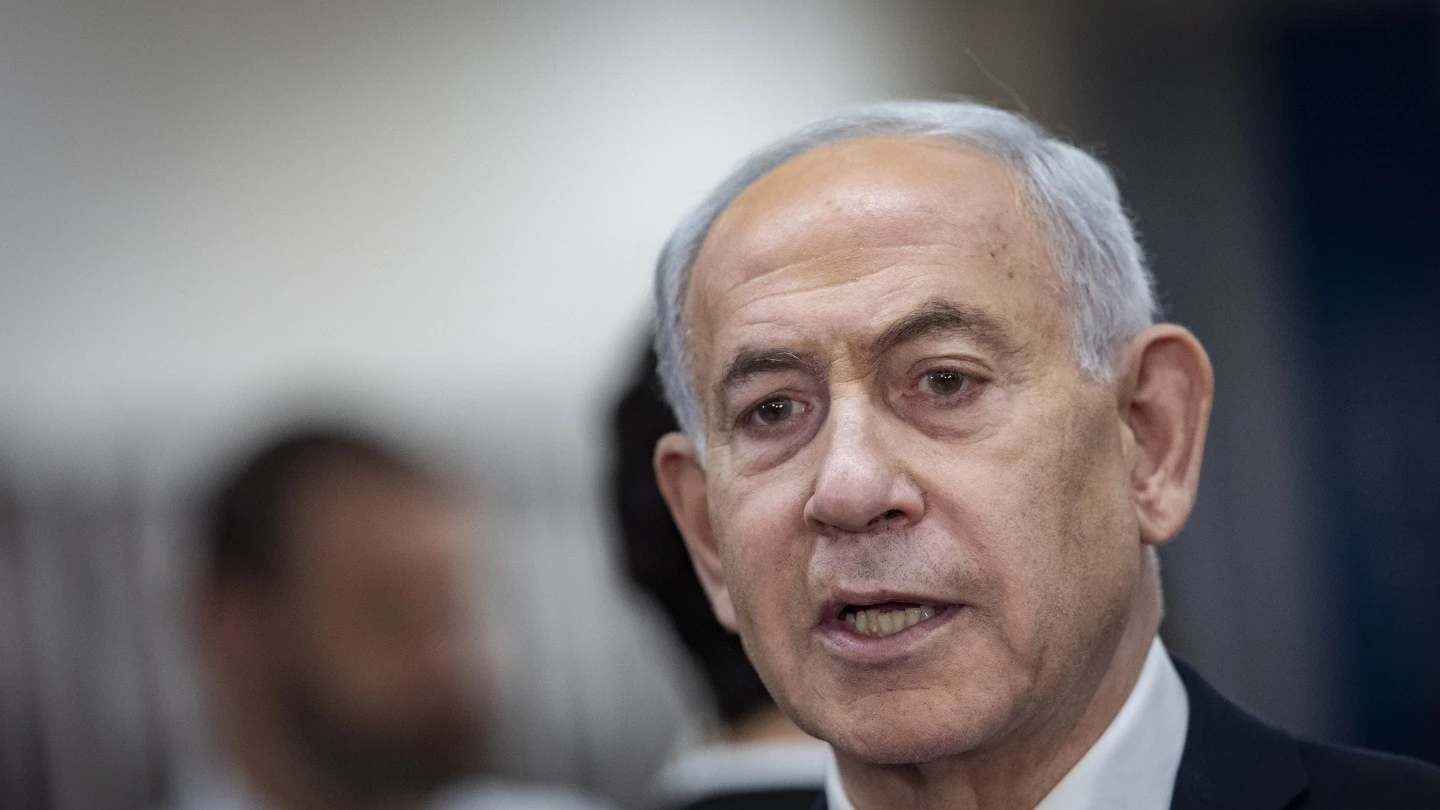
In a surprising move, Netanyahu proposed a rotating premiership to his main rival, Gadi Eisenkot. The offer, revealed publicly, would see Eisenkot serve as Prime Minister first, with Netanyahu taking on the role of alternate prime minister at the start of the term. It’s a significant concession from Netanyahu, who has dominated Israeli politics for over a decade. As he stated, “my responsibility as a leader requires me to set everything aside… and agree that Gadi Eisenkot will serve first as prime minister.” This willingness to potentially cede the premiership, even temporarily, underscores the pressure he’s under to avoid another round of elections. The concept of a rotating premiership isn’t entirely new to Israeli politics, but it’s often seen as a compromise of last resort, reflecting deep divisions within the political landscape.
Eisenkot, however, wasn’t immediately receptive. He had already announced his intention to reveal whether he could form a government by the December 6 deadline, and he accused Netanyahu’s Likud party of obstructing genuine coalition talks. According to Eisenkot, “Likud… has been unwilling to compromise and, over two weeks, refused to put a single concrete proposal on the table.” This accusation suggests a pattern of stalling tactics from Netanyahu’s camp, designed to run down the clock and potentially force a new election where he might hope for a more favorable outcome. The two-week period Eisenkot referenced highlights the intensity of the negotiations – or, as he claims, the lack thereof – leading up to this dramatic offer.
Youssef Jabareen, another opponent, stated that “The democratic majority has decided: this bloodstained, neglectful government must go.
Netanyahu’s offer didn’t just face resistance from Eisenkot; it was swiftly and vehemently condemned by other political opponents. Yair Lapid, a prominent figure in the opposition, labeled the proposal “yet another transparent con by a serial fraudster who has deceived every partner and violated every agreement.” This sharp rhetoric reflects the deep distrust many opposition leaders harbor towards Netanyahu, and their belief that he is prioritizing his own political survival over the needs of the country. The accusation of dishonesty is a serious one, and speaks to a long history of contentious negotiations and broken promises in Israeli politics.
Beyond the immediate reaction to the rotating premiership offer, the broader sentiment among some opposition figures is a desire to see Netanyahu removed from power altogether. Youssef Jabareen, another opponent, stated that “The democratic majority has decided: this bloodstained, neglectful government must go. It is time to fulfill the shared will of the entire public, Jews and Arabs alike, and remove Netanyahu this (upcoming) week.” This statement frames the situation not just as a matter of coalition building, but as a fundamental struggle for the direction of the country, with Jabareen explicitly calling for a change in leadership. The phrase “bloodstained, neglectful government” is particularly strong, indicating deep dissatisfaction with Netanyahu’s policies and performance.
Adding another layer of complexity, Eisenkot had previously been granted a 14-day extension to the government formation process. However, he has indicated he will not utilize this extension, sticking to the original December 6 deadline. This decision suggests a strategic calculation: Eisenkot appears to believe that prolonging the negotiations further would only play into Netanyahu’s hands, allowing him more time to potentially reshape the political landscape. By adhering to the original deadline, Eisenkot is forcing a decisive moment, either the formation of a government under his leadership or the triggering of new elections.
As of today, Israel remains in a state of political limbo. Netanyahu’s offer of a rotating premiership hangs in the balance, with Eisenkot yet to fully respond. The December 6 deadline looms large, and the possibility of another election is very real. The criticisms leveled against Netanyahu by his opponents suggest that even if a coalition is formed, it will likely be fragile and fraught with tension. The coming days will be crucial in determining whether Israel can break the deadlock and establish a stable government, or if the country is headed for another period of political uncertainty.