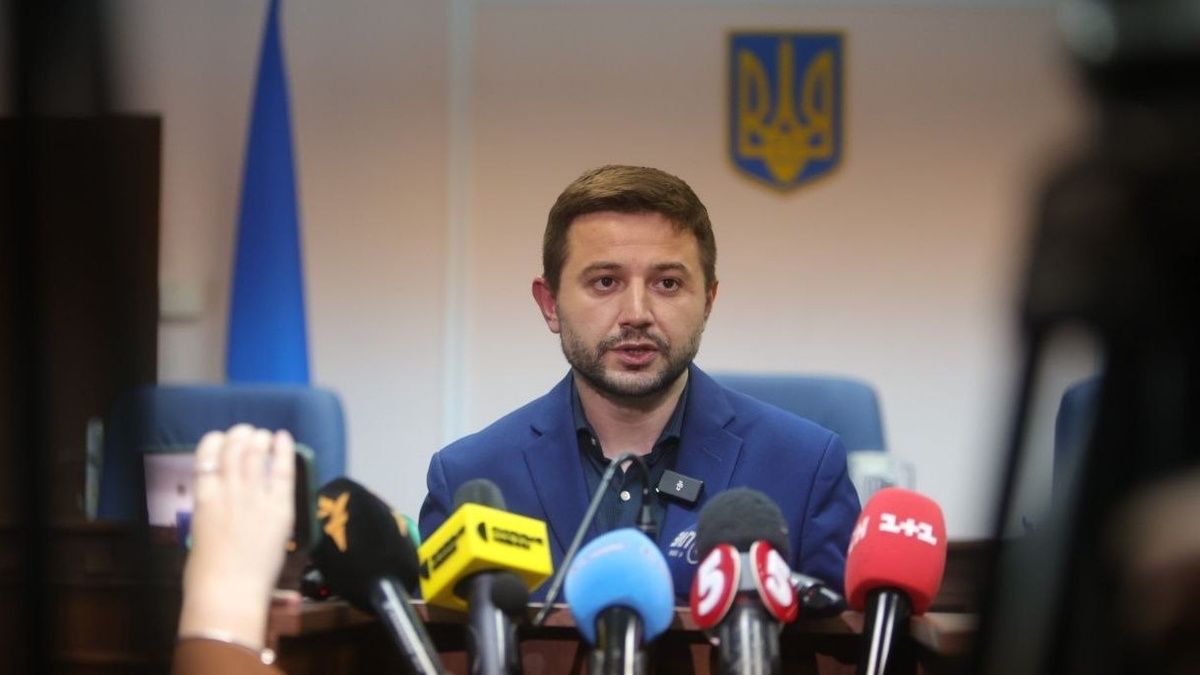
On November 6, 2026, the halls of the High Anti-Corruption Court (HACC) became the stage for a legal battle that moved between public scrutiny and closed-door secrecy. The proceedings centered on Serhiy Duka, a former official of the Security Service of Ukraine (SBU), who now finds himself at the heart of the 'Carthage' case. This investigation, which targets a criminal organization accused of providing illegal benefits to law enforcement officials, has reached a critical juncture as the court considers the preventive measures that will dictate Duka's freedom while the case unfolds.
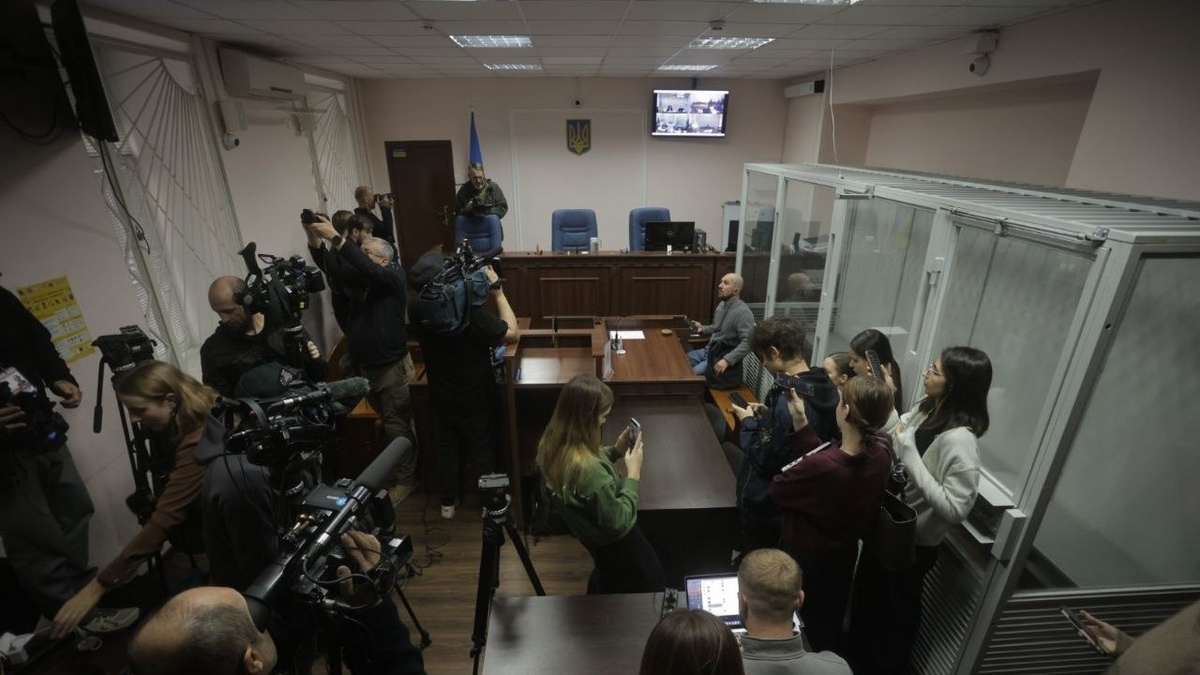
Because of the sensitive nature of the allegations, parts of the hearing were held in closed mode, shielding certain details from the public eye. This tension between transparency and security defined the early hours of the session, as the court struggled to resolve procedural questions, including whether the session should be broadcast to the public. Amidst this procedural fog, a significant legal maneuver was launched: the prosecutor from the Specialized Anti-Corruption Prosecutor's Office (SAPO) moved to recuse the HACC investigating judge, a move that threatens to complicate the timeline of the entire Carthage investigation.
The 'Carthage' case is not merely a localized dispute; it is an investigation into a systemic network. At its core, the prosecution alleges the existence of a criminal organization designed to funnel illegal benefits to those sworn to uphold the law. For Serhiy Duka, the stakes are personal and profound. As a suspect in this web, his appearance in court was not just a procedural requirement but a confrontation with the National Anti-Corruption Bureau of Ukraine (NABU), the agency tasked with untangling these high-level networks.
He did not merely dispute the facts; he questioned the motives of those bringing them forward.
NABU has leveled a specific and serious charge against the former SBU official: that he actively obstructed their investigation. This allegation of interference strikes at the heart of the rule of law, suggesting that the very institutions meant to protect the state were being used to shield corruption. For the prosecutors, Duka represents a hurdle that must be cleared to ensure the integrity of the Carthage probe.

A preventive measure is being chosen for SBU General Duka at the HACC. https://t.co/TQZNbMQLcf
Standing before the court, Duka did not adopt the posture of a man retreating. Instead, he presented himself as a willing participant in the judicial process, even as he launched a fierce counter-attack against the credibility of the evidence against him. He characterized the indictment not as a collection of facts, but as a series of baseless claims.
"I am ready to provide any assistance to the investigation; question me, present the evidence, and I will defend my innocence," Duka asserted, attempting to frame his cooperation as a sign of transparency. He went further, explicitly denying any intention to flee the country, a common concern in high-stakes corruption cases involving significant flight risks.
However, Duka’s defense was not limited to technical legal arguments; it veered into the realm of personal and institutional vendettas. He did not merely dispute the facts; he questioned the motives of those bringing them forward. Duka suggested that the investigation was being driven by something other than justice, specifically claiming that the director of NABU is seeking revenge against him.
This claim of a personal grudge transforms the courtroom from a site of objective fact-finding into a theater of perceived political warfare. By suggesting that the investigative machinery is being weaponized for personal vendettas, Duka seeks to cast doubt on the legitimacy of the NABU's findings. He even pointed toward broader influences, questioning the movements and orders of others, such as Pyshny, to imply that the investigative pressure was a directed, rather than organic, process.
As the court weighed the necessity of preventive measures, the financial realities of the case surfaced. A bail amount of 100 million UAH was brought into the conversation—a staggering sum that serves as a practical barrier to Duka's release. To the prosecution, such a figure might represent a necessary deterrent against flight or interference; to the defense, it is an insurmountable wall.
Duka was blunt about the math of his situation. "I don't need a UAH 100 million bail; you know I can't pay it," he remarked, highlighting the disconnect between the court's requirements and his actual financial capacity. This argument serves a dual purpose: it underscores his lack of intent to flee by highlighting the futility of such an attempt, while simultaneously painting the proposed preventive measure as an unrealistic or even punitive demand.
As the hearing on November 6 progressed, the court remained caught in a web of procedural disputes and heavy allegations. With the prosecutor seeking the recusal of the judge and the defense claiming a campaign of revenge, the path forward for the Carthage case remains obscured. The HACC must now navigate these challenges, deciding whether the current judicial leadership can remain impartial and how to balance the need for a secure investigation with the rights of the accused. For now, the former SBU general remains a central figure in a struggle that tests the very foundations of Ukraine's anti-corruption architecture.

Ukraine's anti-corruption prosecutor Mykola Karas alleges SBU General Serhii Duka smashed his phones with an axe while armed men prevented NABU detectives from executing a court-authorized search on November 4. The prosecutor says the men chambered rounds and aimed laser sights at detectives, delaying them for about two hours. Prosecutors seek Duka's detention with bail set at 100 million hryvnias in a case involving alleged scam call centers and illegal businesses. #Ukraine