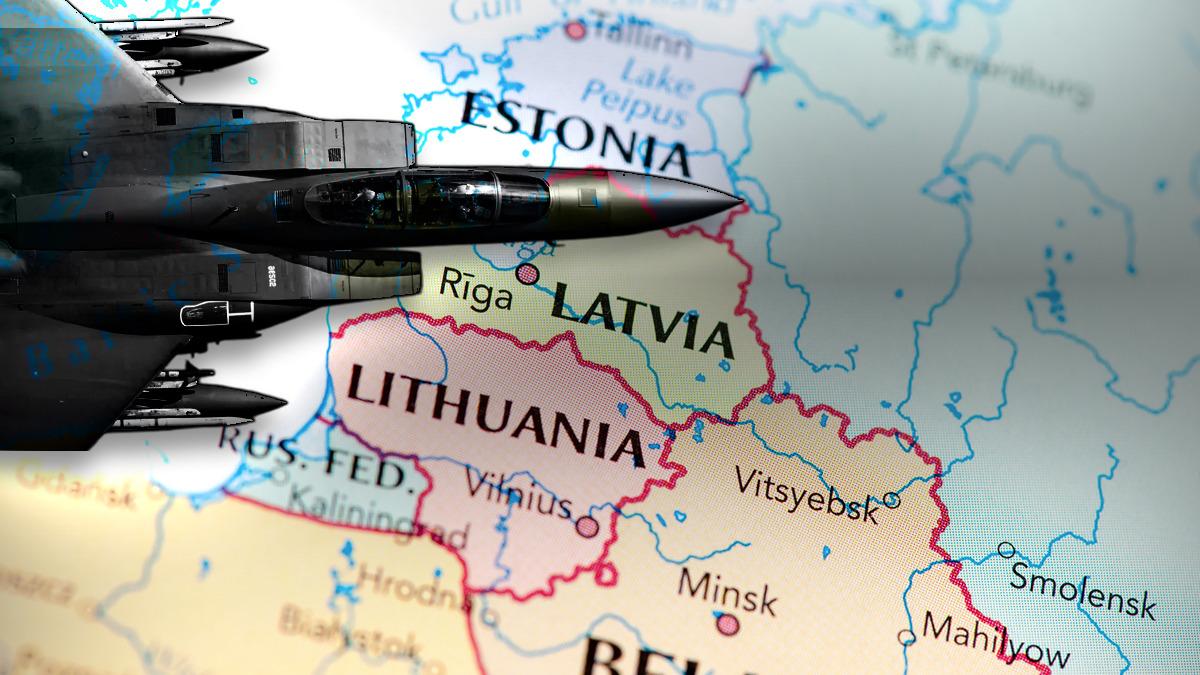
On the morning of November 11, 2026, residents in two Baltic border regions received urgent instructions: take shelter immediately. The Latvian military had issued warnings for areas along the Russian and Belarusian borders, instructing citizens to seek protection due to an aerial threat. Simultaneously, Lithuania's National Crisis Management Center declared a state of alert for the city of Kaunas and surrounding areas, setting in motion a chain of events that would draw NATO into the immediate response.
What triggered these precautions was an unidentified object detected moving from Belarus toward the Baltic states. The Lithuanian authorities, monitoring their airspace closely, identified the intruder as a drone—a particularly unwelcome visitor in a region already on edge due to the ongoing conflict in neighboring Ukraine. The object's trajectory placed it on a direct path toward populated areas, prompting the immediate shelter warnings that sent residents indoors and emergency services into high alert.
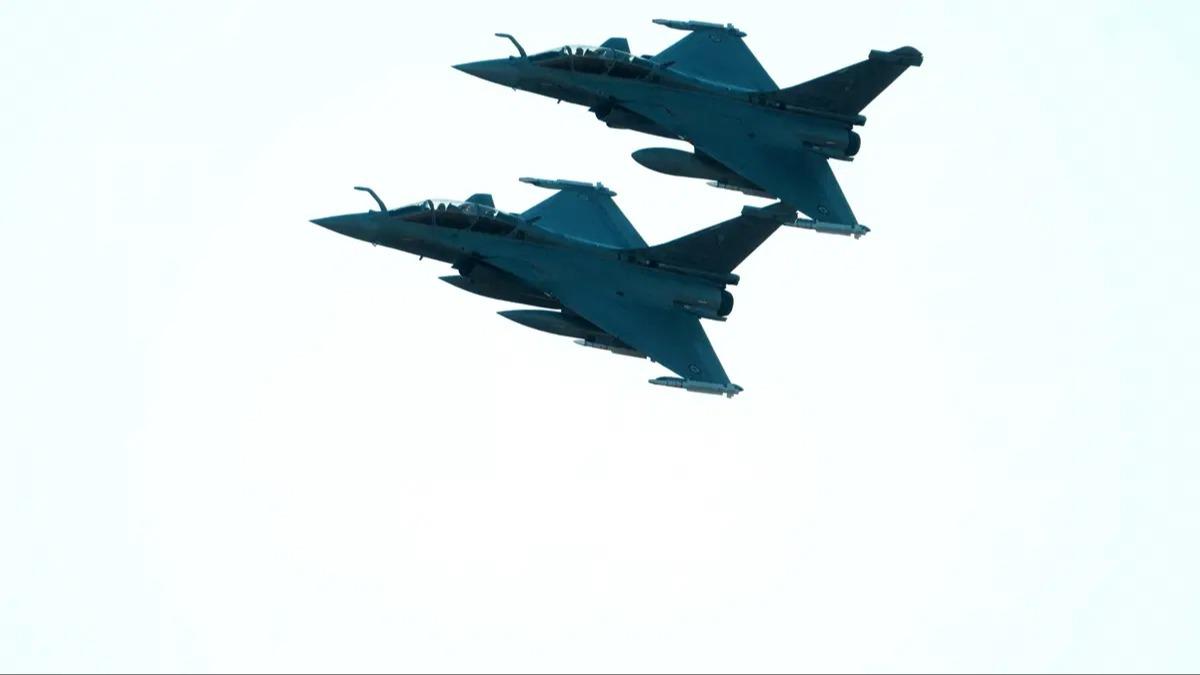
NATO fighter jets, already conducting their routine Baltic air policing mission, were scrambled within minutes of the detection. These aircraft, part of NATO's ongoing commitment to the security of its easternmost members, intercepted the unidentified drone as it advanced toward Lithuanian airspace. The rapid response demonstrated the alliance's readiness to protect its members, particularly those sharing borders with Russia and Belarus—countries whose actions have increasingly concerned NATO in recent years.
The incident prompted differing responses from major players in the region.
The incident was not isolated. Military drones have previously strayed into the airspace of Finland, Estonia, Latvia, and Lithuania, fueling persistent fears that the Ukraine conflict might spill over into NATO countries bordering Russia and Belarus. These incursions, whether intentional or accidental, have heightened tensions in an already volatile region where the presence of military aircraft has become increasingly common.
As the situation unfolded, Lithuania's National Crisis Management Center confirmed that the unidentified drone had exited Lithuanian airspace and continued its trajectory toward Poland. This development provided some relief to Baltic authorities while raising new questions about the origin and purpose of the drone. The object's path—from Belarus through Lithuania and onward to Poland—suggested either a navigational error or a deliberate flight path that crossed multiple national boundaries.
The incident prompted differing responses from major players in the region. Moscow quickly accused Kyiv of using NATO airspace as cover for its military operations, a claim that underscored Russia's ongoing narrative about Western involvement in Ukraine. Meanwhile, Ukrainian officials countered that some of their drones had been diverted off course by Russian jamming, suggesting that the incident might have been unintended rather than deliberately provocative.

BREAKING | 🇱🇹🇱🇻🇵🇱‼️‼️ NATO fighter jets were scrambled as an unidentified airborne object triggered security alerts across Lithuania, Latvia, and Poland. Lithuania declared its highest-level air threat warning, ordered residents to seek shelter, and temporarily closed Kaunas International Airport. On October 18, Lithuanian authorities issued a red-level air alert across central and northern regions for approximately one hour. Defence Minister Robertas Kaunas said military radars detected the object, but poor weather prevented NATO pilots from visually identifying it, ruling out engagement under peacetime procedures. The object reportedly entered Lithuanian airspace from the direction of Poland before disappearing from radar. Authorities are searching for possible wreckage near Juojionys. Latvia also issued warnings in the Bauska, Aizkraukle, and Ogre districts before lifting them at 08:12 local time. Meanwhile, Polish forces are investigating a possible airspace violation south of Lublin, although officials have not ruled out a meteorological radar anomaly. The incident highlights the challenges facing NATO’s eastern air defenses when unidentified objects approach or enter allied airspace. Difficult weather conditions and identification requirements can complicate interception decisions, even when fighter jets are deployed. Although the alerts have been lifted, the object’s origin remains unknown, and there is currently no confirmed evidence linking the incident to Russian military activity. See the latest updates with us: @visionergeo
In the aftermath of the drone incident, authorities in both Latvia and Lithuania maintained heightened alert levels. The Latvian Army and Lithuanian National Crisis Management Center continued to monitor the situation closely, demonstrating the region's persistent vigilance in the face of potential security threats. For NATO, the incident served as a reminder of the importance of its air policing mission in maintaining security along the alliance's eastern flank.
Days after the initial alarm, the Baltic states remain on alert. The drone incident, while resolved without confrontation, has highlighted the persistent challenges facing NATO's eastern members. As the region continues to grapple with the spillover effects of the Ukraine conflict, the quick response of both national authorities and NATO forces has provided a measure of reassurance. Yet the underlying tensions that led to the November 11 alarm remain, serving as a constant reminder of the fragile security situation in this strategically important part of Europe.