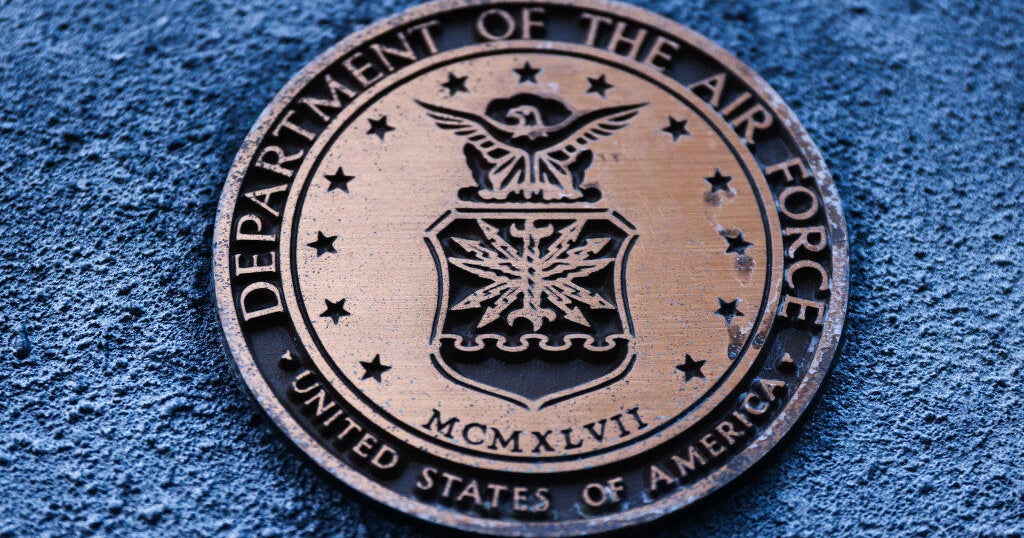
For all our modern faith in invisible infrastructure, the digital realm remains as vulnerable to human cunning as any medieval fortress. Modern warfare and statecraft no longer rely solely on physical trenches and steel hulls; they depend on vast, sprawling networks of data. Yet, as governments migrate their most sensitive operations into the digital ether, they invite a new kind of siege. This reality came into sharp focus when hackers breached the U.S. Air Force’s flagship cloud computing platform, Cloud One, a digital architecture designed to house critical military operations.

The breach did not come to light through dramatic alarms or flashing red lights in a subterranean command center. Instead, the unauthorized intrusion into Cloud One was discovered during routine system upgrades. It was a stark reminder that the digital scaffolding holding up modern governance is constantly being probed, tested, and occasionally penetrated by unseen adversaries. This particular vulnerability emerged against a turbulent backdrop across the American security landscape, arriving in the wake of a series of recent breaches and outages that had already struck other premier federal entities, including the NSA, CIA, FBI, and FAA.
Long before the breach was uncovered during system upgrades, the military recognized the immense challenge of safeguarding its digital frontier. To fortify these very systems, main contractor Leidos previously secured a $454.9 million contract to modernize and secure the Air Force's cloud operations. The massive financial investment was intended to build an impenetrable digital shield around the military's critical data, transforming legacy systems into a streamlined, resilient cloud environment. Yet, the recent intrusion laid bare the sobering truth that even multi-hundred-million-dollar modernization efforts cannot entirely eliminate the persistent threat of sophisticated cyber incursions.
9 million contract to modernize and secure the Air Force's cloud operations.
When pressed about the breach that pierced Cloud One, the institutions responsible for national security responded with the practiced opacity typical of modern defense communication. The U.S. Air Force steadfastly declined to confirm or deny the breach, adhering to a strict policy regarding sensitive infrastructure. An Air Force spokesperson explained that the military branch "does not comment on the security posture, vulnerabilities, or operational status of specific networks and systems." At the same time, the spokesperson emphasized that "Ensuring the security, resilience and availability of our most critical war fighting assets remains a top priority." Meanwhile, main contractor Leidos chose to defer all comment regarding the incident directly back to the military branch.
In the aftermath of the discovery, questions immediately turned to the safety of the nation's most sensitive military secrets. However, officials sought to draw a sharp line between administrative cloud environments and the nation's deepest military compartments. An official from the Office of the Director of National Intelligence (ODNI) addressed the fallout, noting that there were "no disruptions to critical capabilities or classified systems." This distinction highlights the complex compartmentalization of modern defense networks, where a breach in a flagship cloud platform like Cloud One can rattle the defense establishment without necessarily compromising the highest tiers of classified war-fighting infrastructure.
Today, the incident serves as a sobering waypoint in an ongoing, invisible war fought across servers, data packets, and cryptographic keys. As federal agencies grapple with an increasingly hostile digital landscape, the compromise of Cloud One underscores the relentless pressure facing both military leaders and private contractors. With hundreds of millions of dollars funneled into digital modernization, the struggle to stay a step ahead of unseen hackers remains a defining challenge for the modern state—one where the perimeter is always shifting and absolute security remains permanently out of reach.