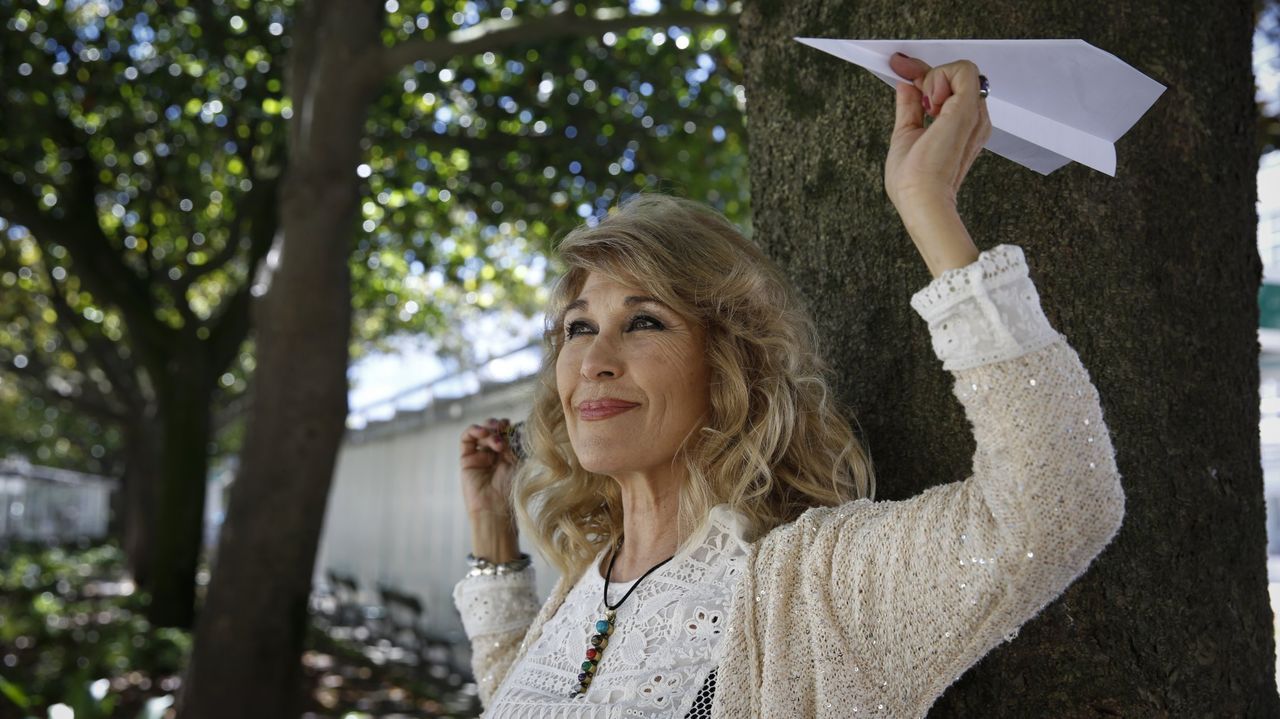
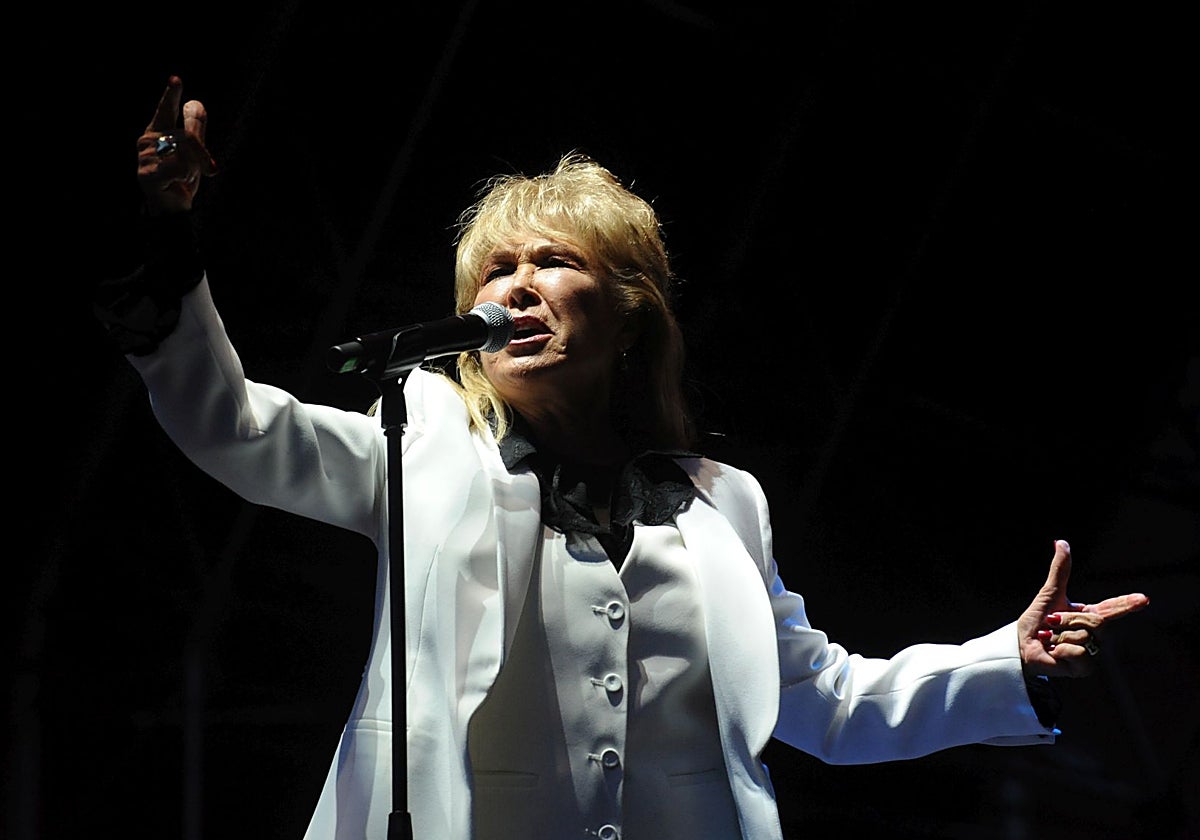
Helena Bianco rose from the heart of Valladolid, her name forever etched in the annals of Spanish popular music. For over six decades she sang, her voice a compass for audiences that followed her from her early career with the group Los Mismos to the intimate rooms of Valladolid's Academia de Caballería. Her career was a testament to resilience—an artist who kept refining her craft long past the glitter of fame.
On November 4, 2026, Helena took to social media to share a diagnosis that rattled the music world: a neuroendocrine cancer described by her brother as "un cáncer duro, muy agresivo" and stubbornly resistant to chemotherapy. She announced the curtailing of all professional commitments, an act that sent a ripple of support through fans and colleagues alike.
Her last concert, held on September 7 at Valladolid's Academia de Caballería, was a bittersweet moment. The Municipal Music School remarked, "Hemos tenido la suerte de compartir ensayos, conciertos y momentos muy especiales," underscoring the deep communal bond fostered through her music.
He recalled the singer's deep ties to the city, stating, "Se nos ha ido Helena Bianco.
Nine days after the diagnosis announcement, on November 12, 2026, Alberto Vázquez informed the public of Helena's passing. Family grief was palpable as Vázquez proclaimed, "No tengo ni idea de cómo vivir sin ti," a simple but sweeping statement of loss.
In the wake of her death, Helena's family made a clear ask: in lieu of flowers, donations should go toward cancer research.
Mayor Jesús Julio Carnero of Valladolid expressed sorrow at the loss of a native stalwart. He recalled the singer's deep ties to the city, stating, "Se nos ha ido Helena Bianco. Siempre tenía a Valladolid y su Barrio España en su corazón. Gran artista, gran persona, vallisoletana única." The mayor's words encapsulate the sense of a community that had both given and received from Helena.
Helena's passing at 78 underscores the reality of neuroendocrine cancer, a disease that often refuses to respond to treatment. Her personal battle and the family's request for donations bring a personal reminder to the public. In a world where many fight similar diseases, Helena's example—a long, luminous career ended by illness—remains significant.

Today the story remains a living document of the final stages of a life built on song. While the family mourns the loss of an extraordinary artist, they also invite public action in research. The tone of the community, from the mayor to the municipal school, is overwhelmingly supportive, signaling a shared commitment to remember and to fight.