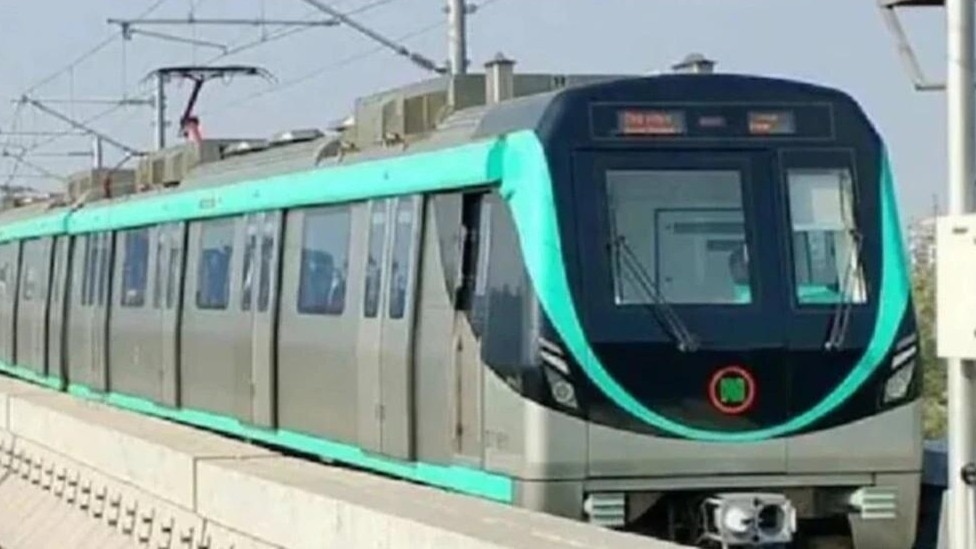
For the millions who navigate the rapid urbanization of the National Capital Region, the distance between a home in Greater Noida and a workplace in Noida has often been measured not just in kilometers, but in the grueling hours spent idling in traffic. The congestion at notorious bottlenecks like Parthala Chowk and Gaur Chowk has long been a symptom of a region growing faster than its infrastructure. But a significant shift in the city's circulatory system is now on the horizon.
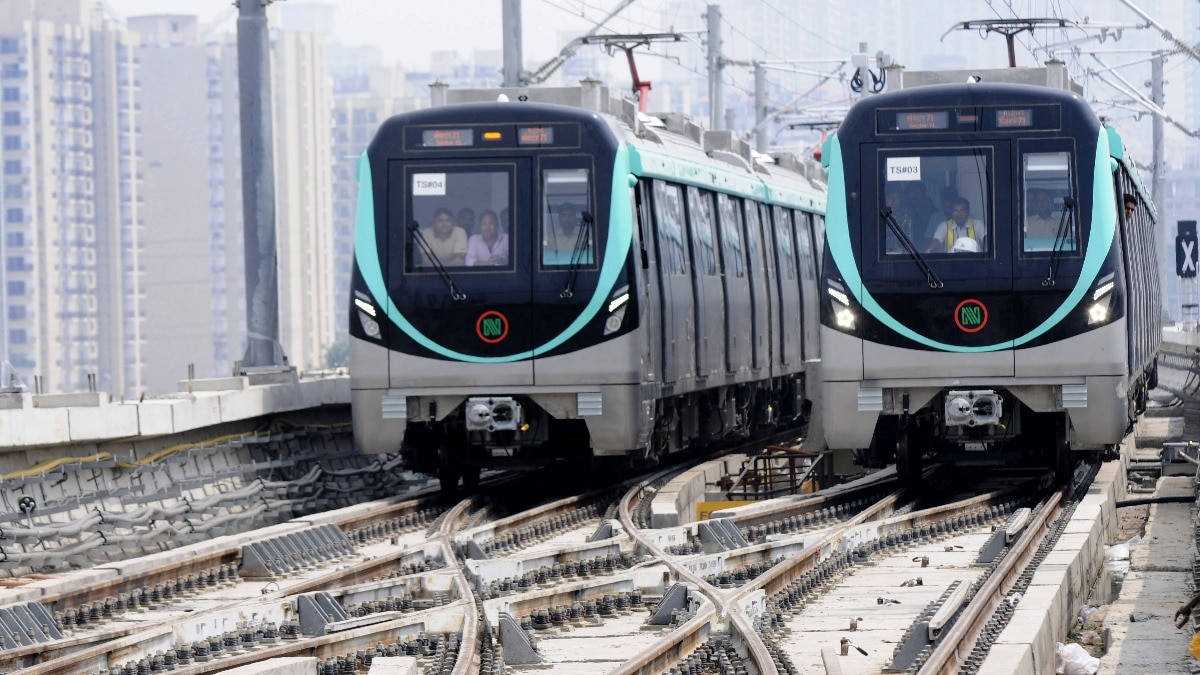
The Union Cabinet, under the leadership of Prime Minister Narendra Modi, has officially sanctioned a major expansion of the Noida Metro Aqua Line. This is not merely a minor addition to an existing map; it is a strategic extension designed to bridge the gap between Noida Sector 51 and Greater Noida Sector 4. The decision marks a formal commitment to scaling the transit network to meet the demands of a population that, as of 2021, had already reached an estimated 24.7 lakh people across the two cities.
"Noida and Greater Noida have good news. The Cabinet has approved the expansion of the Aqua Line Metro," Prime Minister Modi announced, signaling the government's intent to prioritize high-capacity public transport in these burgeoning hubs.
The addition of this new corridor expands the reach of the metro system, ensuring that more commuters can access this direct connectivity.
The approved project outlines an 8.449-kilometer corridor that will rise above the existing street level. Built as an elevated line, the extension will feature five new stations, strategically placed to capture the movement of commuters. The route will progress through Noida Sector-61, Sector 70, Sector 122, and Sector 123, before reaching its terminus at Greater Noida Sector-4.
By elevating the tracks, the project seeks to bypass the very surface-level congestion it aims to alleviate. This new segment will act as a vital artery, providing a direct link to the Blue Line at Noida Sector 61, effectively integrating the Aqua Line more deeply into the broader regional transit web. The addition of this new corridor expands the reach of the metro system, ensuring that more commuters can access this direct connectivity.
The geography of this new line is no accident. The corridor is slated to pass through areas of intense economic and social activity. From the high-density residential pockets of Gaur City to the sprawling IT offices and commercial hubs that define the region's modern economy, the metro is being positioned as the backbone of daily life.
Beyond the corporate towers, the extension will serve a diverse array of essential services. Educational institutions and healthcare facilities located along the route will become more accessible, reducing the reliance on private vehicles and personal transit. For the student heading to a lecture or the patient traveling to a clinic, the metro represents more than just a ride; it represents a predictable, reliable connection to the services that sustain a modern city.

Transforming urban mobility on this scale requires significant capital. The Union Cabinet has earmarked ₹2,390 crore for the project, a substantial investment aimed at long-term regional stability. The scale of the budget reflects the complexity of constructing an elevated corridor through some of the most densely populated and commercially active sectors in the region.
This financial commitment is paired with a rigorous timeline. The project carries a four-year completion target, a window in which engineers and planners must navigate the existing urban fabric to lay the tracks and erect the five new stations. The goal is to move from the approval stage to a fully operational transit link within that timeframe, addressing the needs of a population that continues to expand.
As the project moves from the halls of the Cabinet to the construction sites of Noida and Greater Noida, the focus remains on the end user. The expansion is a response to the reality of a region that has outgrown its traditional transport models. By linking Sector 51 to Sector 4, the government is attempting to create a more cohesive urban environment where the boundaries between the two cities are softened by ease of movement.
For now, the plan stands as a blueprint for a more integrated future. The transition from a series of disconnected sectors to a unified, metro-linked corridor is a multi-year undertaking, but the approval of the Aqua Line extension sets the wheels in motion for a region that is no longer just growing, but is actively being reconnected.