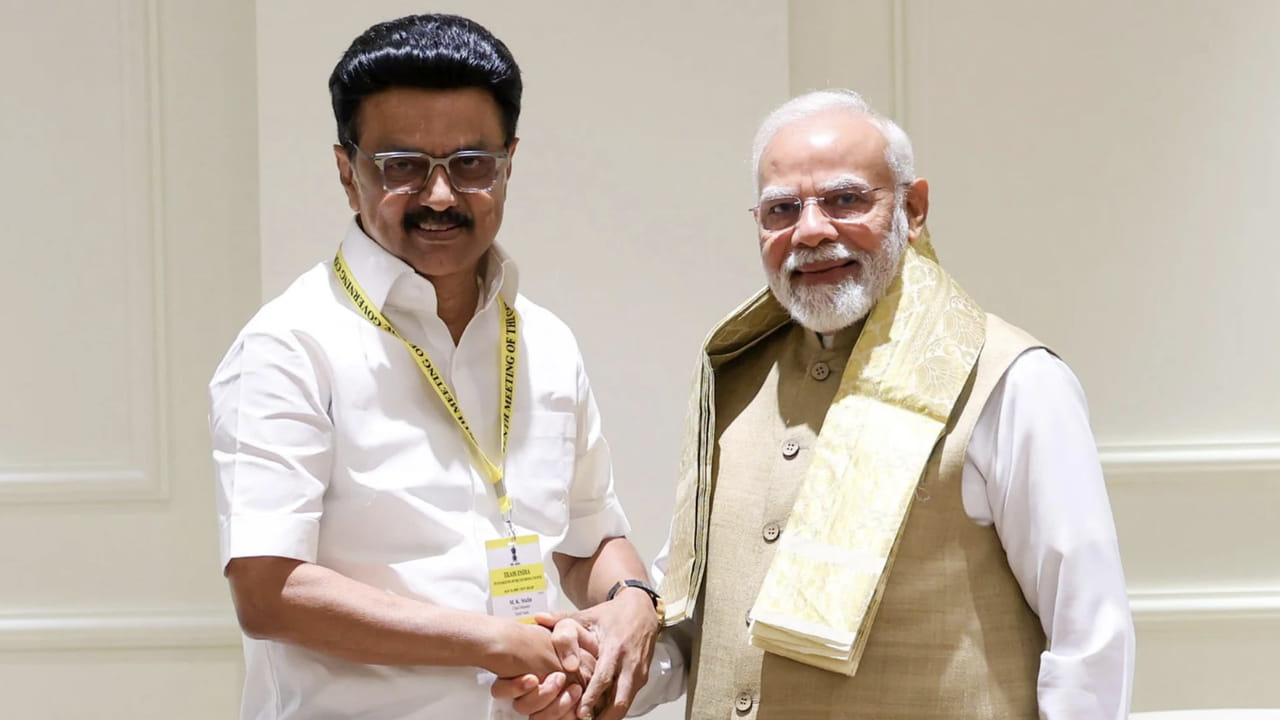
In the corridors of power in Chennai, a significant decision was taking shape. On November 28, 2026, the Dravida Munnetra Kazhagam (DMK), led by Chief Minister M.K. Stalin, convened a crucial meeting with its party MPs. The agenda: reconsidering their stance on the central government's revised delimitation bill. What emerged from this deliberation would send ripples through India's political landscape—the DMK, a key opposition party, would now support legislation it had previously opposed.
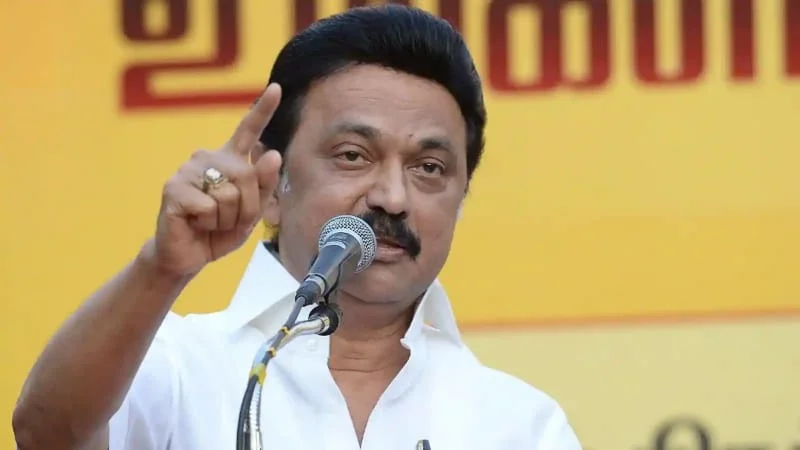
Delimitation—the redrawing of electoral boundaries based on population changes—has long been a contentious issue in India's federal democracy. The central government's proposal, first introduced in the Lok Sabha on April 16, 2025, aimed to increase parliamentary representation by 50 percent across all states. For Tamil Nadu, this meant potentially expanding its Lok Sabha seats from the current 39 to 59—a significant increase that would marginally boost the state's share of parliamentary representation from 7.18 percent to 7.21 percent.
What ultimately swayed the DMK was a critical provision in the revised bill: maintaining current representation ratios based on the 1971 census until 2051—a 25-year safeguard that addressed the party's core concerns. As senior DMK leader A. Raja explained, "We have been advocating for proportional representation based on the 1971 census consistently, whether in power or in opposition. Our stance is clear."
The delimitation process is intrinsically linked to expanding parliamentary seats, making the DMK's 22 Lok Sabha members potentially decisive in this endeavor.
The DMK's decision to support the bill marked a notable departure from the united front maintained by the INDIA bloc, of which the party had been a part. The party dismissed suggestions that its separation from the alliance influenced this shift, with A. Raja explicitly stating, "It is wrong to say that a new decision was taken because the DMK is not part of the INDIA block. If the number of constituencies across the country is increased by 50%, we will support this bill."
Beyond protecting Tamil Nadu's interests, the DMK's support was also seen as crucial for implementing another key legislative priority: 33 percent reservation for women in the legislature. The delimitation process is intrinsically linked to expanding parliamentary seats, making the DMK's 22 Lok Sabha members potentially decisive in this endeavor.
The DMK framed its decision as being purely in Tamil Nadu's interest. "The party had arrived at the decision after extensive deliberations and a detailed examination of the proposed amendments," A. Raja noted, emphasizing that the revised bill would not disadvantage the state. This position was reinforced by Dayanidhi Maran, who stated, "The decision to increase parliamentary seats by 50 percent in every state is in line with our demand."
With the DMK's support secured, the central government appears positioned to introduce the legislation in Parliament's upcoming special session. The bill's passage would represent a significant victory for the BJP-led government, potentially reshaping India's electoral map for decades to come. For Tamil Nadu, the outcome ensures its political voice will grow alongside India's expanding democratic framework.