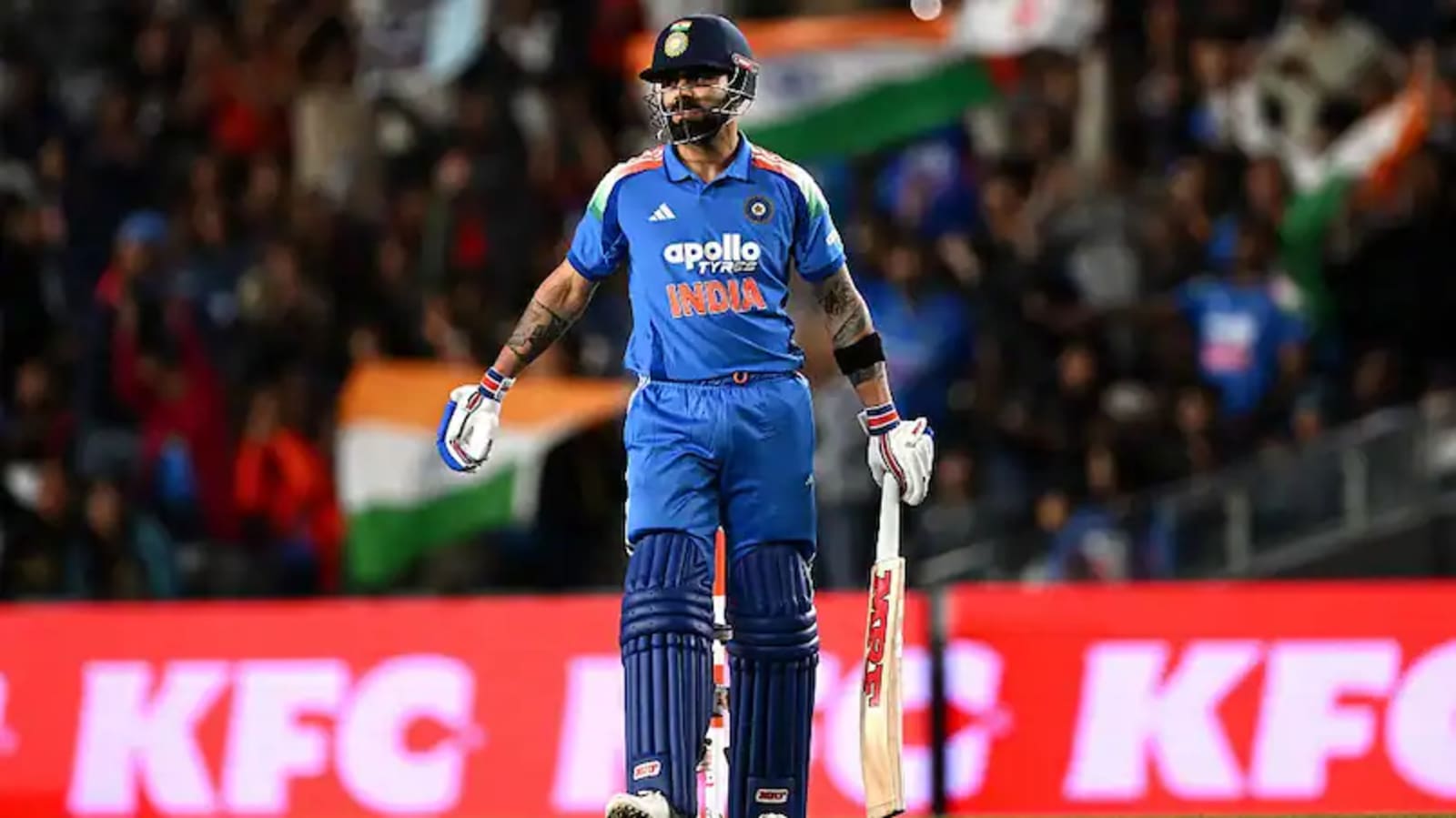
In the high-stakes theater of international cricket, greatness is often measured by the towering centuries and the breathless centuries of runs that leave crowds chanting a player's name. But on a crisp day at the Basin Reserve in Wellington, greatness arrived in a much quieter, more unassuming package. Virat Kohli walked to the crease, played his part, and departed after scoring just seven runs. To the casual observer, it was a mere footnote in a match against New Zealand. To the historian, however, those seven runs were the catalyst for a seismic shift in the record books.
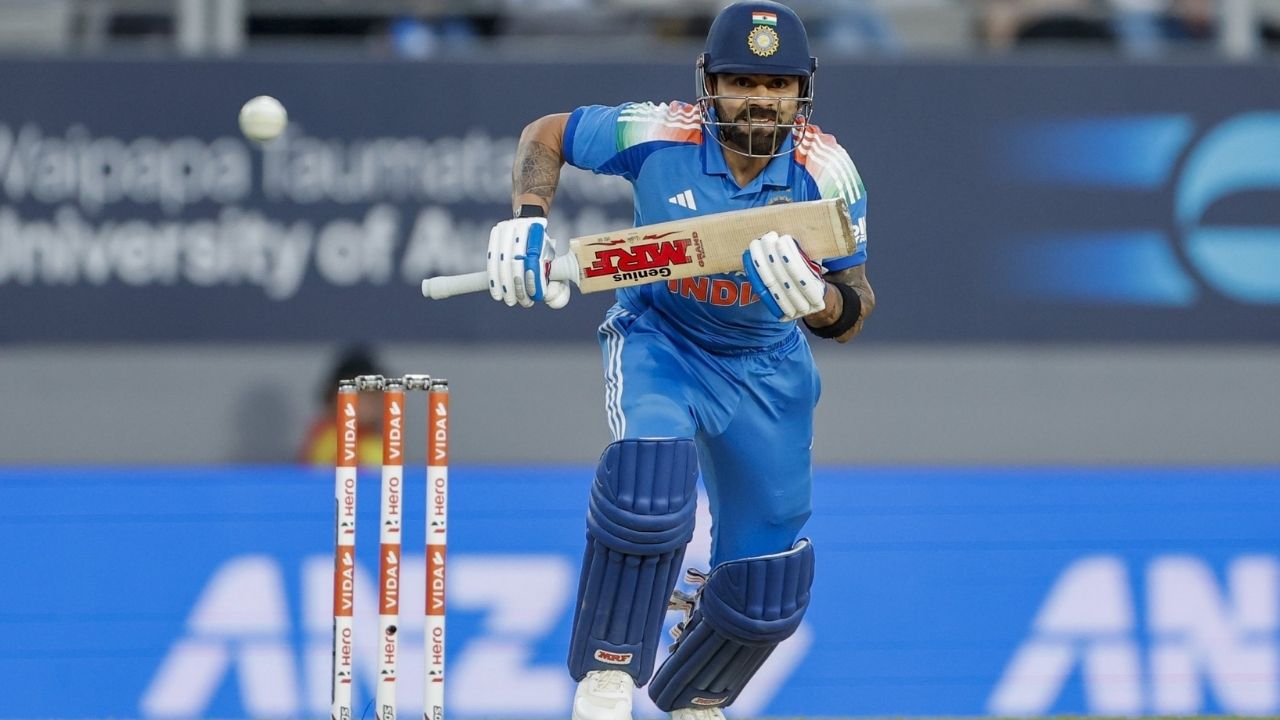
For years, the benchmark for dominance against New Zealand in One-Day Internationals (ODIs) belonged to the legendary Ricky Ponting. The former Australian captain had set a formidable standard, accumulating 1,971 runs against the Black Caps. It was a record that seemed etched in stone, a testament to Ponting's longevity and ability to master one of cricket's most disciplined sides. Alongside Janarthanan Thilakarathne, Ponting stood at the summit of this particular mountain, a feat achieved through 50 grueling innings of international competition.
But as Kohli stepped onto the turf in Wellington, the shadow of the past began to recede. With his modest contribution, the Indian maestro did more than just add to his personal tally; he dismantled a long-standing ceiling. By the time he was out, the numbers told a different story. Kohli had ascended to the top position, overtaking Ponting to become the most prolific ODI run-scorer against New Zealand.
The gap between the old record and the new reality is not just a matter of runs, but of the sheer efficiency of the pursuit.

Bowlers leading the charge for Team India in the ODI series against New Zealand! 🥇🇮🇳 #Cricket #India #ODI https://t.co/7ObReeIj1d
What makes this transition so striking is not just the destination, but the velocity with which Kohli arrived there. While Ponting required 50 innings to reach his total of 1,971, Kohli achieved his milestone in 38 innings, demonstrating a concentrated dominance that defines his career.
As the dust settled on the match, the updated ledger showed Kohli sitting atop the rankings with 1,978 runs scored across 37 matches. It is a statistical anomaly that highlights a specific kind of mastery: the ability to consistently dismantle a specific opposition with fewer opportunities than those who came before him. The gap between the old record and the new reality is not just a matter of runs, but of the sheer efficiency of the pursuit.
While Kohli's individual achievement captured the headlines, the match itself was a display of tactical discipline from the Indian side. The New Zealand batting lineup found themselves stifled by an Indian bowling attack that refused to yield. The Black Caps were restricted to a total of 134 runs, a score that was managed over the course of 41 overs.
In a game where every run is a hard-fought battle, the restriction of New Zealand to such a modest total provided the backdrop for Kohli's historical moment. Even as his own innings ended quickly at seven runs, the collective pressure applied by the Indian bowlers ensured that the context of the match remained centered on control and containment.

With the record of 1,971 runs now firmly in the rearview mirror, the narrative for Kohli has shifted from breaking barriers to building a new one. The pursuit of history is not yet complete. Having reached 1,978 runs, Kohli now stands on the precipice of a feat that no other player in the history of the game has yet accomplished.
He is now positioned to become the first player ever to score 2,000 runs against New Zealand in ODIs. This target looms large, transforming his relationship with the opposition from one of mere statistical superiority to one of unprecedented historical distinction. The seven runs scored in Wellington were not just a part of a match; they were a crucial step toward a threshold that remains just out of reach but unmistakably within sight.