On November 21, Hyderabad Police Special Branch received an email that sent shockwaves through the department. The message was chilling in its specificity: it claimed affiliation with Lashkar-e-Taiba and threatened to replicate the 26/11 Mumbai terror attacks that had shaken India in 2008. The email named two precise targets in Hyderabad: Kachiguda railway station and Hotel Tourist Plaza. More disturbing still was the claimed body count—"at least 300 people would die," the message threatened, framing the attacks as revenge for a recent military operation.
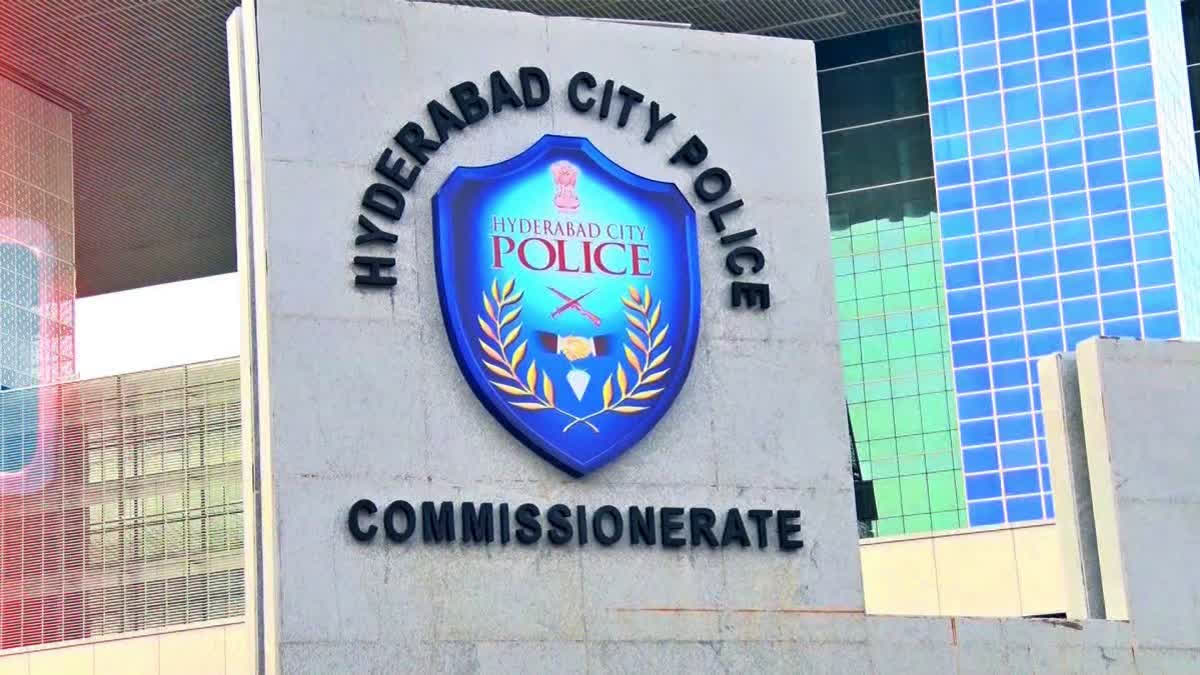
The threat did not emerge in a vacuum. Police sources quickly connected the email to a security operation conducted four days earlier in the Junglepora area of Kupwara district, Jammu and Kashmir. On November 18, Indian security forces had killed LeT operative Latif Bhat and his associates in a counter-terror operation. The threatening email explicitly referenced this event, declaring the Hyderabad attacks as retaliation for Bhat's death. This linkage suggested a calculated attempt by the organization to demonstrate its reach and operational capabilities even after losing a key commander.
Within hours of receiving the threat, Hyderabad Police had activated their emergency response protocols. Senior officials issued urgent directives to all police stations, ordering intensified surveillance at transportation hubs, commercial areas, hotels, and places of worship. Anti-sabotage teams swept through potential targets, while visible patrols increased in key neighborhoods. The measures were comprehensive—designed to deter potential attackers while reassuring the public that authorities were taking the threat seriously.
Regardless of the source, the threat had already achieved one objective: forcing a major Indian city to divert significant resources to security preparations.
As physical security tightened, another investigation unfolded in the digital realm. Cybercrime police launched a probe to trace the origins of the threatening email, working to identify the sender and verify the message's authenticity. The challenge was significant: determining whether the email represented an actual operational plan or merely propaganda designed to spread fear. Regardless of the source, the threat had already achieved one objective: forcing a major Indian city to divert significant resources to security preparations.
Amid the heightened security measures, Hyderabad's Commissioner of Police addressed the public directly, urging calm and responsibility. "Do not believe rumors about the bomb threat email and do not spread false propaganda on social media," the Commissioner stated clearly. Citizens were encouraged to report any suspicious persons or unidentified objects immediately, with the emergency number 112 provided for quick response. The message was consistent across multiple platforms: Hyderabad Police were available 24/7 to ensure public safety, but the public's cooperation was essential in maintaining order.
The reference to the 2008 Mumbai attacks hung heavy over Hyderabad's security preparations. The 26/11 attacks, which targeted multiple locations in Mumbai including the iconic Taj Hotel, had killed 166 people and traumatized the nation. By invoking this earlier tragedy, the email's authors sought to maximize psychological impact while potentially signaling their operational intentions. For Hyderabad's security forces, the challenge was to prevent history from repeating itself without succumbing to panic or overreaction.
As November 22 drew to a close, Hyderabad remained in a state of alert. Police maintained increased presence at potential targets, while cyber teams continued their investigation into the email's origins. The city's residents went about their daily routines, but with an awareness that the digital threat had transformed their urban landscape. Whether the email represented an imminent danger or psychological warfare remained unclear, but in the uncertain space between threat and response, Hyderabad demonstrated its resilience—preparing for the worst while hoping for the best.