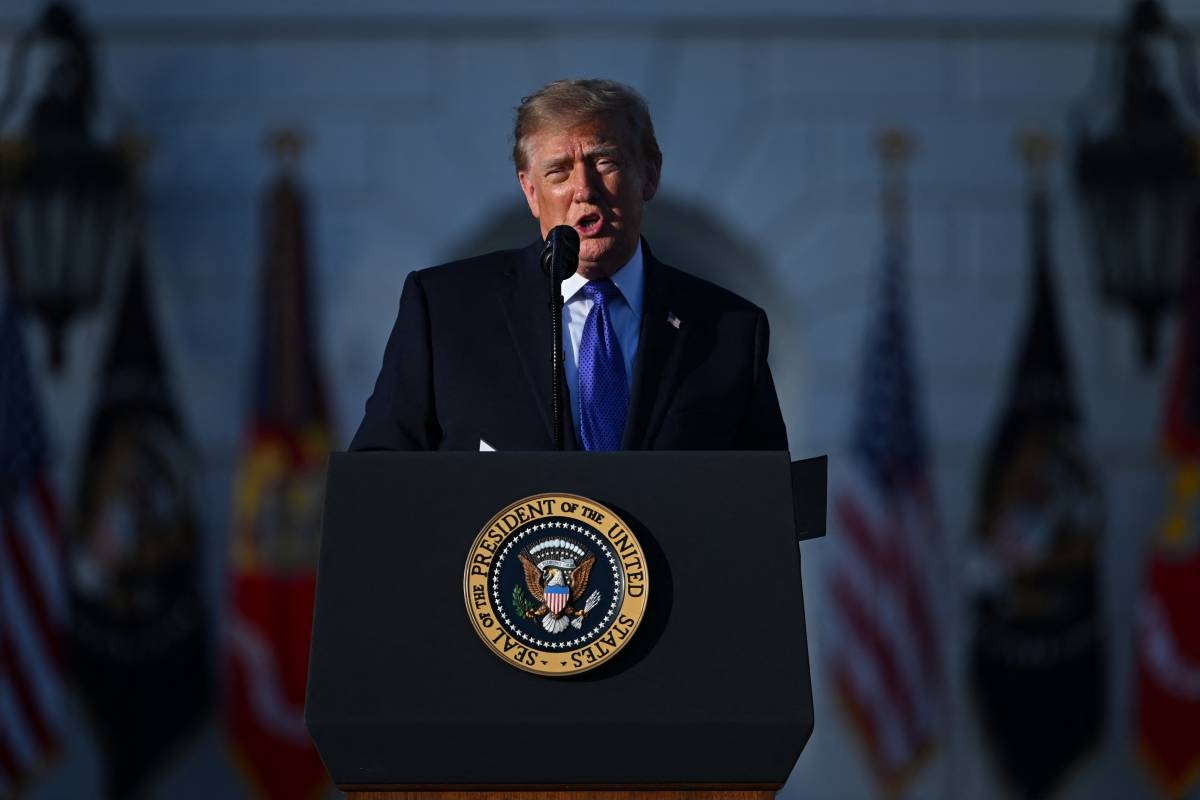
In the sprawling ecosystem of American government, the relationship between the executive branch and the legislature is often defined by friction. But President Donald J. Trump has introduced a new variable to that equation: a formalized, pre-emptive check on information flow. By issuing an executive order that mandates federal contractors to notify the White House before sharing any material with Congress, the administration has effectively inserted the executive office into the middle of legislative inquiries. For a total newcomer to how Washington works, this might seem like bureaucratic overreach, but it strikes at the core of how oversight functions. Traditionally, congressional committees investigate by gathering documents, calling witnesses, and reviewing contracts. Now, that pipeline is capped. If a company holds a federal contract, it cannot simply hand over records or data to a curious or critical member of Congress without first clearing the request with the executive branch. This shifts the power dynamic significantly, turning the White House from a passive subject of inquiry into an active gatekeeper of the truth.

The timing of this order is not accidental. It lands as Democrats prepare to take control of both chambers of Congress in January, marking a significant shift in the legislative landscape. The upcoming control of both houses is a major milestone, as it will allow the new majority to launch comprehensive investigations into the Trump administration and its business dealings. For the incoming Democratic leadership, federal contracts are expected to be a primary focus. They plan to dissect how money is being spent, who is benefiting, and whether there are conflicts of interest or irregularities. By locking down the information flow before this transition, the White House is arguably trying to limit the scope of what those future investigations can uncover. It is a strategic move to ensure that when the new leadership sits down at the table, they will have fewer pieces to work with. The order warns that non-compliance can lead to the termination of existing contracts, a threat that hangs over any private entity doing business with the state. This creates a chilling effect, where the fear of losing government revenue outweighs the desire to be transparent to the public representatives.
Critics of the move have been swift and vocal in their condemnation. Representative Robert Garcia, a prominent voice among the Democrats who will take charge next January, described the order as a "blatant attack on Congress' constitutional right to conduct oversight." Garcia’s statement highlights the central legal and philosophical conflict: the separation of powers. In the American system, Congress is the branch of government responsible for checking the executive. Oversight is not just a privilege; it is a duty mandated by the Constitution to ensure that the executive branch is not acting outside its legal bounds. By characterizing this executive order as an "attack," Garcia frames it not merely as a policy preference, but as an assault on the institutional balance of power. For those unfamiliar with the nuances of constitutional law, understanding oversight is key. It is the mechanism by which the legislature ensures that executive actions are lawful and that taxpayer money is used appropriately. To block it at the source is to break that mechanism. The criticism suggests that the administration is trying to shield itself from scrutiny before the political winds shift in its favor.
Will Scharf, a supporter of the administration’s stance, argued that "some Democratic investigations could amount to criminal conduct.
On the other side of the argument, the White House has defended the order as a necessary step to protect executive privilege and sensitive government communications. Will Scharf, a supporter of the administration’s stance, argued that "some Democratic investigations could amount to criminal conduct." This quote introduces a different perspective on the nature of the oversight process. While most investigations are routine and legal, Scharf’s comment suggests that the administration views the incoming inquiries as potentially illegal or predatory rather than standard checks and balances. Executive privilege is a doctrine that allows the president and their close advisers to keep certain communications confidential, particularly when national security is involved. By invoking this privilege in the context of contractor communications, the White House is arguing that some information is too sensitive to be shared without executive review. The defense implies that the current system risks leaking state secrets or sensitive internal strategies to the opposing political party. However, critics argue that privilege is meant to protect the presidency from the legislature, not to arm private companies with a shield against their own legal obligations to the public. The tension here is between the right to keep secrets and the right to demand transparency.
At the heart of this dispute are the federal contractors—the private companies that build bridges, manage systems, and provide services to the government. These entities operate under complex contracts that often stipulate what can and cannot be disclosed. The new order adds a layer of ambiguity. When a congressional committee requests data from a contractor, the company now faces a choice: comply with the request and risk having its contract cancelled by the White House, or refuse the request and face the wrath of the legislature. This places the private sector in an impossible position, caught in the crossfire of a political war between the executive and legislative branches. For a business, the federal contract is often a major revenue stream. The threat of termination is a powerful deterrent. This dynamic forces contractors to align with the executive branch by default, simply to stay in business. It effectively removes the contractor’s ability to act as an independent source of information for Congress. The result is that the legislative branch becomes dependent on the executive branch’s permission to hear from the private sector, a reversal of the traditional flow of information. This shift in the balance of power is a critical development that could have lasting effects on how government business is conducted.
As we move toward the January transition, the situation remains tense. Democrats have stated their intent to launch investigations into the administration’s conduct and business dealings, with federal contracts being a major focus. The executive order stands as a barrier to that process. The conflict between the two branches of government is no longer just a theoretical debate about separation of powers; it is a practical standoff over who controls the flow of information. The stakes are high, not just for the politicians involved, but for the integrity of the oversight system that holds the government accountable. The battle will likely move to the courts, where legal experts will debate whether an executive order can validly restrict a congressional committee’s ability to obtain information from a non-governmental party. Until then, the gate remains closed, and the contractors are left waiting for the White House’s nod before they can speak to the people elected to question them. This standoff marks a new chapter in the relationship between the executive and legislative branches, one defined by restriction and resistance.