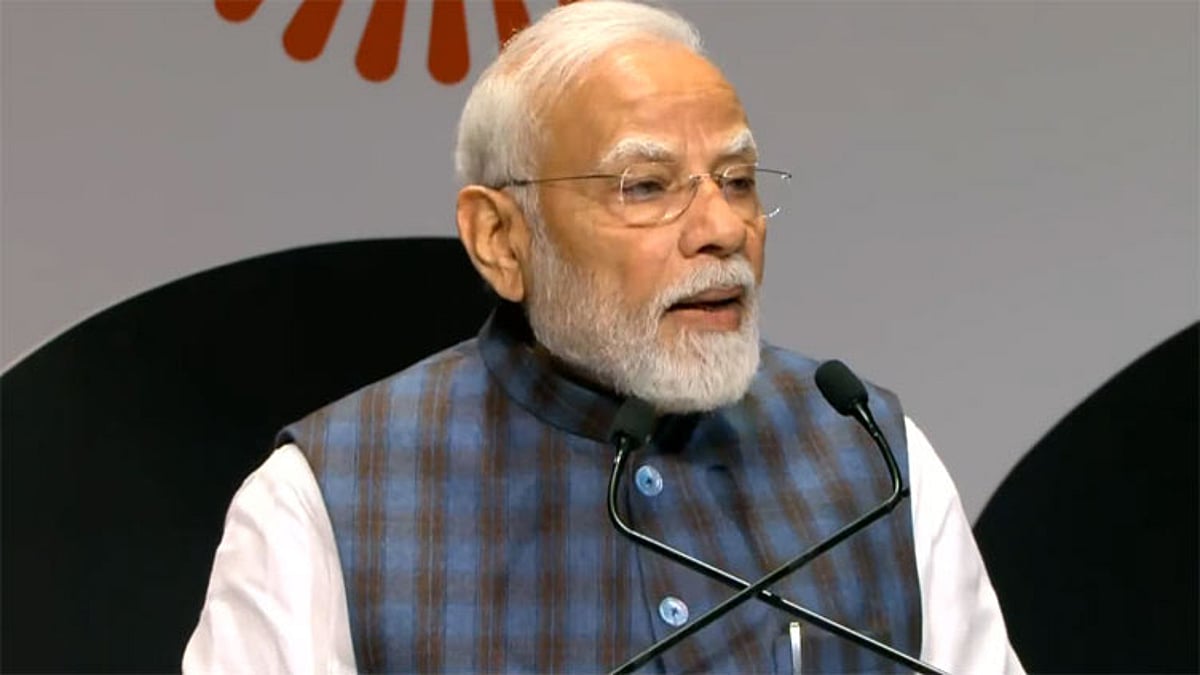
In the grand halls of Bharat Mandapam in New Delhi, the atmosphere was one of reflection and ambition. On November 19, 2026, Prime Minister Narendra Modi arrived to inaugurate the annual general meeting and centenary conference of the Federation of Indian Chambers of Commerce and Industry (FICCI). For an organization that has spent 100 years observing and influencing the pulse of the Indian market, this gathering served as more than a birthday celebration; it became a platform for the government to define the narrative of the nation’s economic identity.

At the heart of the Prime Minister’s address was a bold assertion: the Indian economy has undergone a fundamental, structural transformation over the last 12 years. Modi contrasted the current climate with the past, noting that India was once categorized among the five weakest economies. Today, he argued, the country stands in a vastly different position, bolstered by the collective labor of its youth, farmers, and workers. This shift, he suggested, is not merely a statistical improvement but a testament to the hard work of the Indian people.
Perhaps the most significant metric cited by the Prime Minister concerns the country’s social fabric. Drawing on data attributed to a World Bank report, Modi highlighted that approximately 50 crore people—or over 500 million individuals—have been lifted out of poverty in the last 13 years. This figure serves as the cornerstone of the government’s argument for its current economic policies. The Prime Minister positioned this achievement as a clear rebuttal to the failures of previous administrations, which he criticized for lacking the political will to achieve such levels of poverty eradication.
This figure serves as the cornerstone of the government’s argument for its current economic policies.
This celebration of progress did not occur in a vacuum. The summit served as a stage for a broader political confrontation. Recently, Rahul Gandhi took to social media to claim that India is teetering on the edge of an economic disaster, pointing to persistent challenges such as unemployment, economic inequality, and the integrity of public examinations, often referred to as paper leaks. Modi’s address functioned as a direct counter-narrative to these claims. He specifically targeted the legacy of the Congress party, dismissing the historical 'Garibi Hatao' (remove poverty) slogan as a policy failure that lacked the necessary execution to deliver real results.
Looking toward the future, the Prime Minister urged Indian industry leaders to broaden their horizons. Invoking the vision of Mahatma Gandhi, Modi challenged businesses to stop viewing the domestic market as their sole destination. Instead, he encouraged them to compete on the global stage and integrate themselves into international supply chains. He framed the concept of a 'developed India' not as a mere slogan, but as a firm national commitment, asking business leaders to submit their suggestions for further reforms directly to him, emphasizing that his administration prioritizes both friendship and structural change.
Throughout the centenary summit, a recurring theme was the necessity of shifting the national attitude toward those who drive the economy. Modi emphasized that the government now prioritizes the respect of wealth creators and taxpayers, a stance he believes is essential for sustaining the country’s momentum. As India moves past its 100-year mark, the government’s position remains clear: the economic trajectory of the last decade is a success story that justifies a departure from the policies of the past, setting the stage for a future defined by global competitiveness and continued poverty reduction.