
In the high-stakes world of international cricket, the relationship between coach and superstar player exists in a delicate balance. It's a dynamic where too much intervention can be perceived as interference, yet too little might leave technical flaws unaddressed. This coaching tightrope was recently explored by former India assistant coach Ryan ten Doeschate in a revealing discussion on the talkSPORT Cricket podcast, offering rare insight into the psychological challenges of mentoring the sport's elite.
Ten Doeschate began by addressing a pervasive issue within cricket coaching circles: the hesitation many coaches feel when working with senior players. "I think a lot of coaches are afraid to make interventions because it can be seen that you are, you know, trying to justify your job, or you're interfering, or just saying things for the sake of saying it," he explained. This fear creates a paradox where those most qualified to help often hold back, potentially allowing technical issues to persist that could impact performance at the highest level.
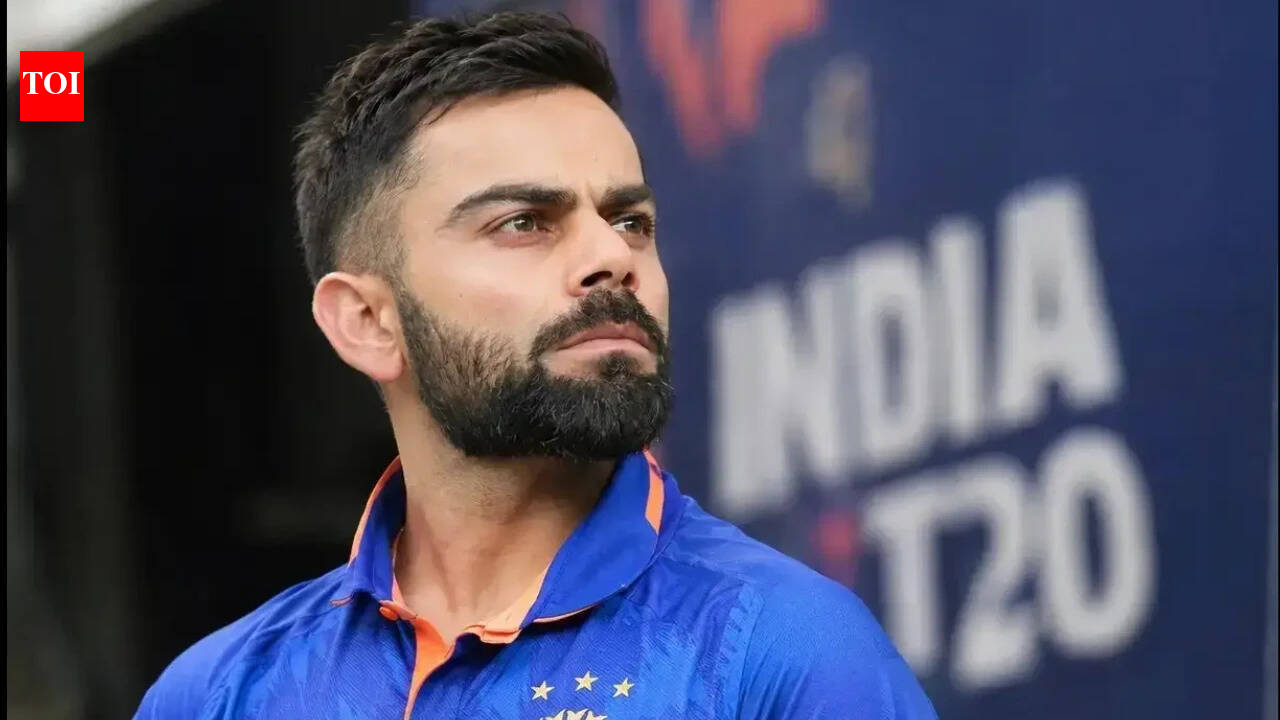
The stakes are particularly acute when coaching players of Virat Kohli's stature. As one of cricket's modern greats, Kohli's every move is scrutinized, making any technical intervention a high-risk, high-reward proposition. Coaches must navigate not only the technical aspects but also the psychological dimensions of offering unsolicited advice to someone who has reached the pinnacle of the sport through their own methods and instincts.
The timing and manner of addressing such an issue with a player of Kohli's experience and profile required considerable finesse.
The situation Ten Doeschate described unfolded during the fourth Test match of Australia's tour, a crucial juncture in any series. Here, the coach identified a recurring technical issue in Kohli's batting that, if left unaddressed, could continue to undermine his performance. The specific flaw involved Kohli nicking off while driving—a technical vulnerability that had repeatedly compromised his innings.
This presented Ten Doeschate with a classic coaching dilemma: to intervene or not to intervene? The decision carried significant weight. A successful correction could strengthen the team's most important batsman, while a poorly executed intervention might create doubt where confidence had previously resided. The timing and manner of addressing such an issue with a player of Kohli's experience and profile required considerable finesse.

Virat Kohli, Gautam Gambhir & Ryan Ten Doeschate having discussion before the Match at Lord's. ❤️ https://t.co/ms2RdLQ8vv
Choosing to act, Ten Doeschate approached Kohli with his observations. The conversation that followed revealed much about both the coach's philosophy and the player's character. Rather than dictating changes, Ten Doeschate presented his analysis as a collaborative discussion, respecting Kohli's expertise while offering an external perspective.
What made this intervention noteworthy was Kohli's receptiveness. Despite his status as one of cricket's leading batsmen, Kohli listened to the technical feedback without defensiveness. This dynamic underscored an important principle: even elite performers benefit from external perspectives when those perspectives are offered with respect and precision. As Ten Doeschate noted, "You've got to strike the balance of making an intervention that's going to help the player, or confusing them."
The successful exchange highlighted a truth about elite coaching: the most effective interventions often come not from authority but from expertise presented as collaboration. When players feel their autonomy is respected, they become more open to suggestions that might otherwise be perceived as criticism.
This experience reinforced Ten Doeschate's coaching philosophy: "I never want to be a coach who is scared of an opinion of someone else for stepping in, for saying the right thing." This approach requires both courage and discernment—knowing when to speak and what to say, but also having the confidence to offer potentially unpopular advice when it's genuinely needed.
The art of coaching cricket's elite, as Ten Doeschate's experience illustrates, exists in this space between intervention and interference. It's about recognizing that even the most accomplished players have technical vulnerabilities, and that the coach's role is to address these without undermining the player's confidence or autonomy.
As cricket continues to evolve at the professional level, with increasingly sophisticated analysis and training methods, the coach's role becomes ever more nuanced. The most successful coaches will be those who can navigate these complexities, offering valuable guidance without crossing the line into micromanagement—a balance that separates good coaching from great coaching.

Ryan ten Doeschate Reveals How He Coached Virat Kohli Through Australia Slump https://t.co/Y6Dky5Ej5Z https://t.co/iTnRFc24dV