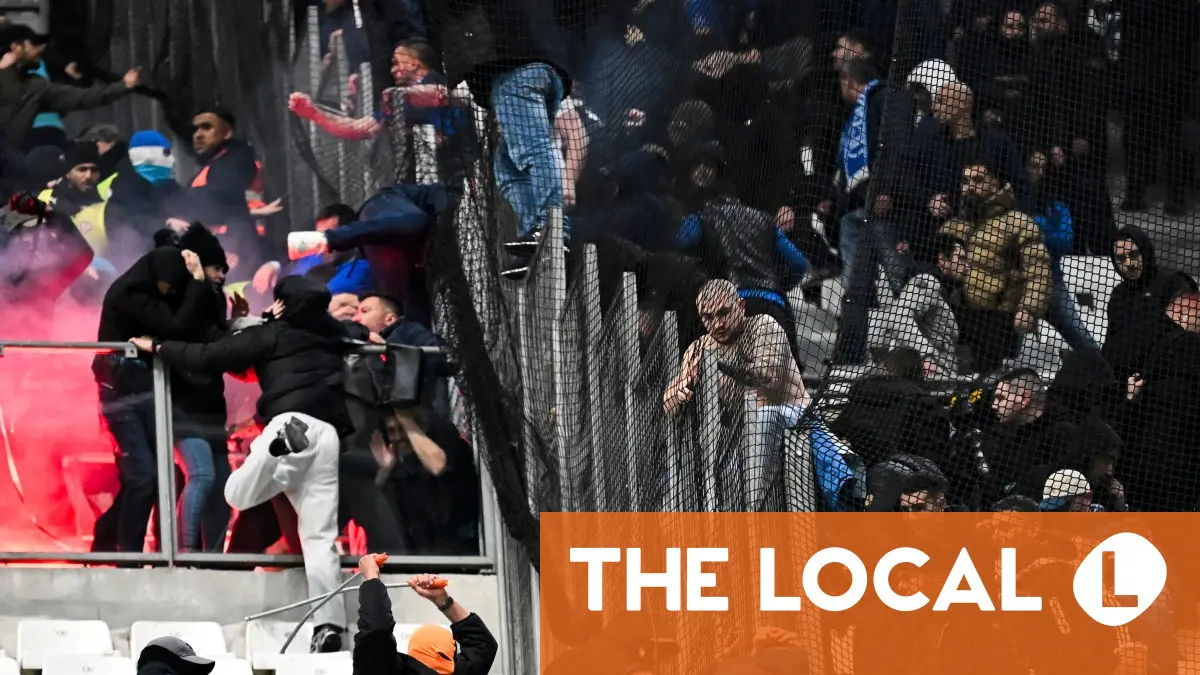
For the supporters who descend upon the Stade Velodrome, the Europa League is meant to be a celebration of continental competition. But during the recent match, the atmosphere in Marseille curdled into something far more sinister. What began as the anticipation of a high-stakes match transformed into a scene of targeted aggression. As visiting supporters from Levski Sofia gathered in the away stand, they found themselves under siege. The violence involved projectiles, flares, and a breach of the away fan section by home supporters. The chaos turned a sporting venue into a site of physical trauma before security forces managed to restore order prior to kick-off.

The consequences of the breach were immediate and severe. As the security forces scrambled to restore order, the medical reality of the encounter became clear. Five Levski Sofia supporters were hospitalized following the violent clashes. These were not the incidental bruises of a rowdy crowd; they were the results of a deliberate and violent confrontation that left five individuals in need of professional medical care.
The violence at the Velodrome did not stay contained within the stadium walls. It quickly ascended to the highest levels of international diplomacy. French President Emmanuel Macron and Bulgarian President Iliana Iotova jointly condemned the violence. The conversation was dominated by the events in Marseille, with both leaders expressing profound outrage. President Macron assured Iotova that the perpetrators would be punished, signaling that the incident would be treated as a matter of national and international concern rather than a simple breach of stadium rules.
As the dust settled, the political fallout within France began to sharpen.
President Iotova’s reaction was sharp, reflecting the gravity with which the Bulgarian government viewed the assault on its citizens. She described the attacks as 'shocking.' Beyond the immediate condemnation, Iotova issued a direct challenge to the governing bodies of the sport, calling on UEFA to conduct a rigorous review of stadium safety protocols. The implication was clear: the existing measures had failed to protect the visiting fans, and systemic changes were required to ensure that such a breach could not happen again.
As the dust settled, the political fallout within France began to sharpen. Local Member of Parliament Manuel Bompard weighed in on the incident, pointing to the presence of extremist elements among the home supporters. Bompard specifically referenced a viral video circulating in the aftermath of the match, which appeared to show an individual performing a Nazi salute. For Bompard, the incident was a stark reminder of the dangers of radicalization in sports culture. "The far right has no place in our stadiums!" he declared, highlighting the growing concern that football grounds are being used as platforms for extremist ideologies.
Despite the high-level condemnations and the clear evidence of violence, the immediate aftermath was marked by a lack of legal resolution. At the time of the reports, the police reported no arrests related to the breach of the away section. While security forces eventually managed to restore order, allowing the match to proceed, the lack of immediate arrests left many questioning the efficacy of the stadium's security apparatus. As the investigation continues, the events remain a dark stain on the season—a reminder that the passion of the game can, in the absence of vigilance, be eclipsed by the worst impulses of those who inhabit the stands.