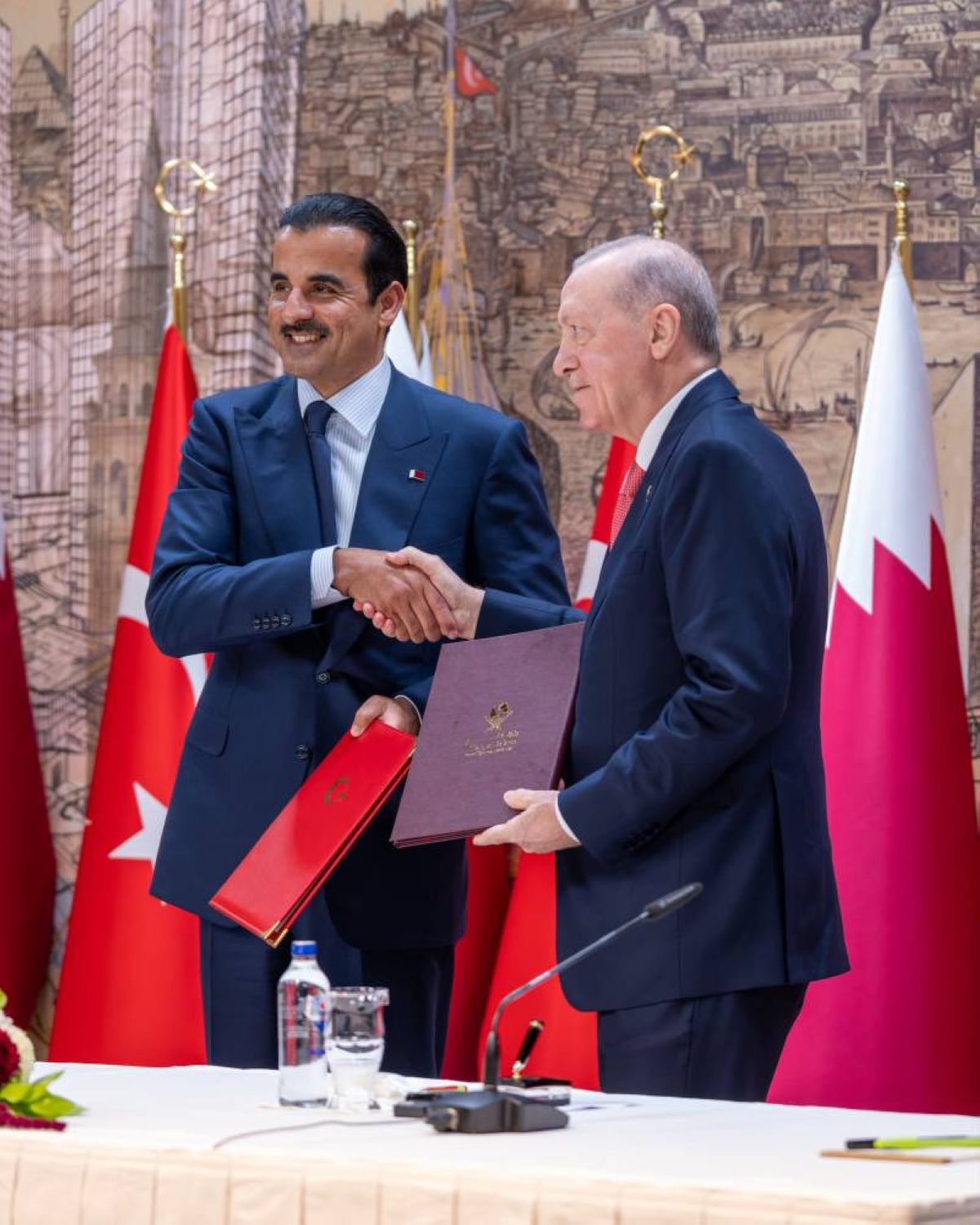
In the shifting landscape of global diplomacy, alliances are often measured by the strength of their shared interests and the depth of their economic integration. For the State of Qatar and the Republic of Turkiye, that relationship is moving beyond mere diplomatic courtesy into a structured, multi-sectoral engine of growth. This evolution was most recently underscored in Istanbul, where the two nations gathered to map out a shared future.
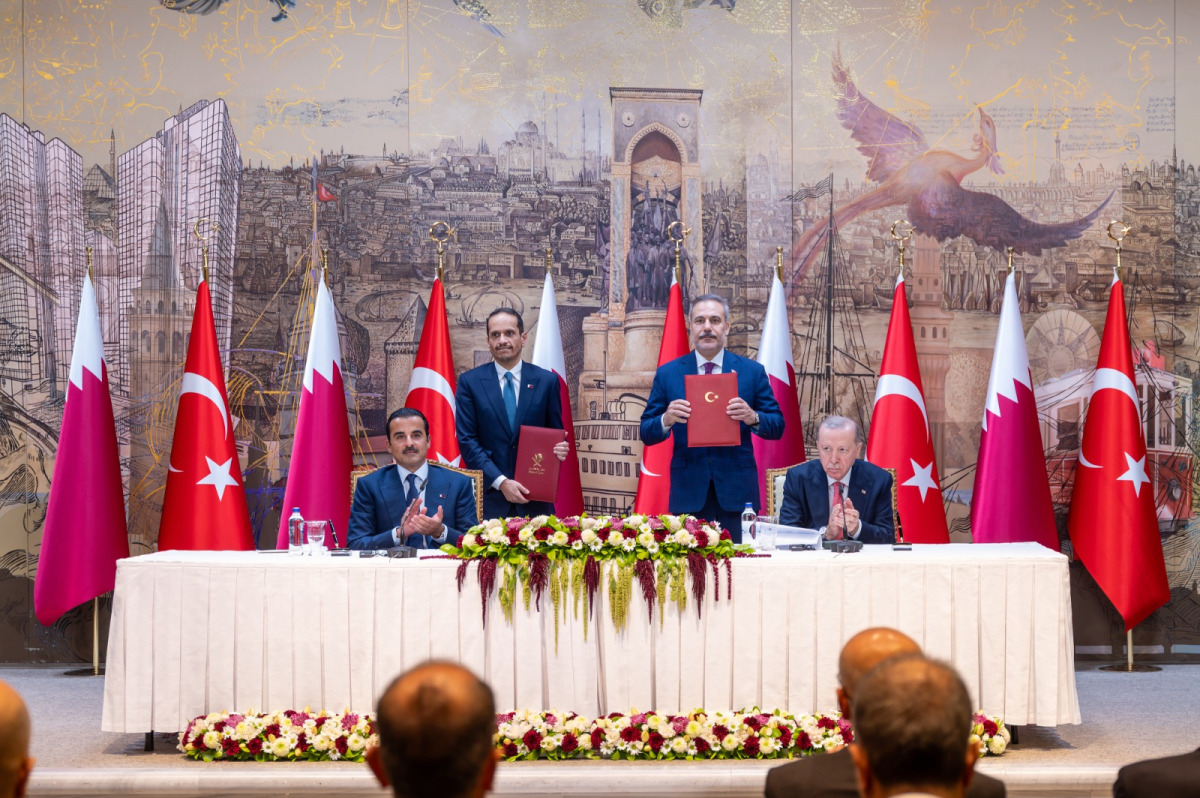
The leaders of Qatar and Turkiye met to conduct the 12th meeting of the Supreme Strategic Committee. This body serves as the primary mechanism for coordinating the two nations' long-term objectives, ensuring that cooperation is not left to chance but is instead driven by a formal, high-level agenda.
Sheikh Tamim bin Hamad al-Thani, the Amir of Qatar, co-chaired the session alongside Turkish President Recep Tayyip Erdogan. The meeting was not merely a ceremonial gathering; it was a working session designed to build upon existing achievements and, more importantly, to set specific priorities for joint action in the period ahead. As the Amir noted in a post on his official X account, the progress of this partnership is visible across a wide array of fields, reflecting a relationship that has continued to develop over time.
This level of investment suggests that Turkish firms are not merely peripheral players but are integral to Qatar's ongoing development and infrastructure needs.
While diplomatic summits often focus on geopolitical alignment, the discussions in Istanbul were deeply rooted in the tangible realities of trade, energy, and defense. The Supreme Strategic Committee addressed the complexities of regional and international developments, but the core of the dialogue centered on how these two nations can better support one another's economic and security interests.
Strategic ties between the two countries are being deepened through a focus on several key pillars: defense, trade, investment, energy, and education. By addressing these sectors simultaneously, the two governments are attempting to create a holistic partnership where progress in one area—such as energy security—can fuel advancements in another, such as educational exchange or industrial investment.

Qatar, Türkiye sign "Mutual Defence Agreement" amid Gulf tensions; vow to strengthen strategic partnership Read @ANI story | https://t.co/uPsFzGmcYe #Qatar #TuerkiyeYenileniyor https://t.co/ib1gzuEbEY
The numbers behind the partnership reveal a relationship that is already deeply embedded in the physical landscape of the Gulf. Turkish contracting companies have already established a significant footprint in Qatar, having undertaken 206 projects within the country. The sheer scale of this involvement is reflected in the valuation of these works, which total USD 20.8 billion.
This level of investment suggests that Turkish firms are not merely peripheral players but are integral to Qatar's ongoing development and infrastructure needs. This economic interdependence provides a stabilizing foundation for the political relationship, as the interests of the private sector become increasingly aligned with the strategic goals of the state.
Looking forward, the two nations are not content with maintaining the status quo. A primary objective discussed during the 12th meeting was the exploration of new opportunities to expand and diversify their trade and economic relations. Central to this ambition is the Trade and Economic Partnership Agreement (TEPA), which is expected to serve as a vital tool in achieving these expanded goals.
One of the specific benchmarks for this economic push is a trade volume goal of USD 5 billion. By utilizing frameworks like TEPA, Qatar and Turkiye aim to move beyond traditional sectors and find new ways to integrate their markets, ensuring that the bilateral trade relationship continues to climb toward that $5 billion target.
As the meeting concluded, the sentiment from both leaderships was one of continued momentum. The partnership is characterized by a sense of upward trajectory, with both sides seeking to translate high-level strategic discussions into concrete, actionable results.
From the massive infrastructure projects currently being managed by Turkish contractors to the high-level policy coordination occurring within the Supreme Strategic Committee, the Qatar-Turkiye relationship is moving into a new phase of complexity and scale. The priorities set in Istanbul will likely dictate the rhythm of their cooperation for the coming years, as they work to turn shared strategic visions into a shared economic reality.