
On November 19, 2026, a historic meeting took place in Shenzhen, bringing together three of the world's most powerful leaders: U.S. President Donald Trump, Russian President Vladimir Putin, and Chinese President Xi Jinping. The meeting resulted in a peace declaration, a significant development given the geopolitical tensions of the time. Amidst these high-level discussions, another critical issue was brewing: the situation with Iran.
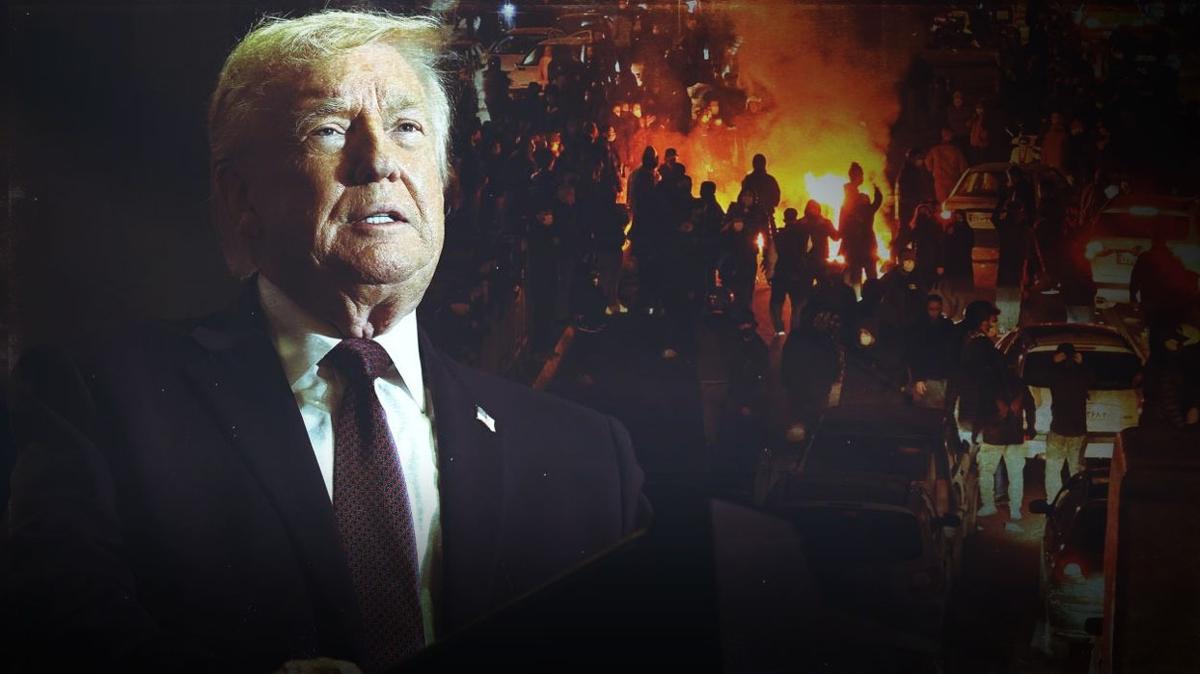
Reports from The New York Times indicated that Trump was considering new military strikes against Iran based on fresh intelligence and requests from Israel. Analysts suggested that Trump's approach might focus on maritime blockades and economic pressure, or potentially delaying action until the new Congress convened. This was a time of heightened tension, with Israel reporting increased chemical weapons development and testing by Iran.
Trump, however, was in no hurry to make a decision. "I am in no hurry to make any decision [on Iran]," Trump stated. "We will see what happens after the start of the new year." This deliberate pause was seen by some as a strategic move, allowing more time for economic pressure and naval blockades to take effect. Trump hinted that if Iran did not concede by the end of 2026, force remained an option before the new Congress convened.
strikes on Iran was higher than it had been in recent times, but Trump's measured approach suggested a preference for diplomatic and economic solutions.
Israel played a significant role in this developing scenario. Mossad director Roman Hoffman met with CIA director John Ratcliffe and U.S. envoy Steve Witkoff on the same day as the Shenzhen meeting. Israel's concerns about Iran's increasing chemical weapons development and testing added urgency to the situation. Trump's consideration of new strikes was, in part, a response to these Israeli concerns.
Analysts from Axios noted that Trump's stance might allow more time for economic pressure and naval blockade. This approach was seen as a way to avoid immediate military conflict while still applying significant pressure on Iran. The possibility of renewed U.S. strikes on Iran was higher than it had been in recent times, but Trump's measured approach suggested a preference for diplomatic and economic solutions.
Trump's decision to wait until the start of 2027 to see how events unfolded was a calculated move. By delaying any decisive action, he could assess the effectiveness of economic pressure and naval blockades. This waiting game was a strategic maneuver, allowing Trump to gather more information and consider the best course of action.
Despite his preference for a measured approach, Trump made it clear that force remained an option. If Iran did not concede by the end of 2026, the U.S. was prepared to use military force. This was a clear message to Iran and the international community that the U.S. was serious about its demands.
As of now, the situation remains tense but stable. Trump's deliberate pause has allowed for a period of economic pressure and diplomatic efforts. The international community watches closely, awaiting the outcome of Trump's strategic wait. The historic meeting in Shenzhen, the Israeli concerns, and the analysts' perspectives all contribute to a complex geopolitical landscape.
"I am in no hurry to make any decision [on Iran]," Trump stated, encapsulating his measured approach to the situation.