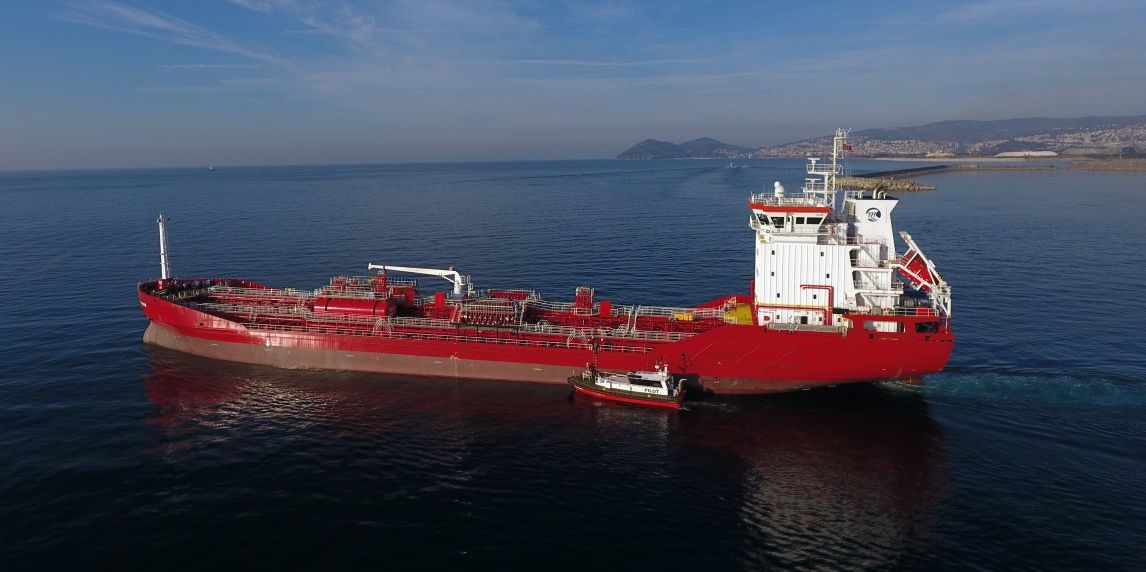
The calm waters northeast of Ibiza, usually a haven for marine life and tourists alike, became the scene of tragedy when a Maltese chemical ship, the Med Emre, went down. All 17 crew members were rescued from the 46-kilometer zone where the vessel sank, but one later succumbed to injuries in hospital, marking the human cost of what would become an environmental concern of significant proportions.

On June 15, 2023, the Med Emre, a vessel designed to carry chemical cargo, encountered trouble and ultimately sank in the waters near the Balearic Islands. The ship was carrying an estimated 7,000 tonnes of diesel—equivalent to approximately 1.2 million liters of fuel. Such a large quantity of diesel represents not just a commercial loss but a potential environmental disaster waiting to happen, particularly in the sensitive Mediterranean ecosystem.
The diesel aboard the Med Emre, while valuable as fuel, transforms into a pollutant when released into marine environments. The sheer volume involved—7,000 tonnes—creates a scenario where containment becomes extraordinarily challenging, if not impossible in the open ocean.
In response to the sinking, Spanish authorities activated a level 2 pollution emergency response.
The waters where the Med Emre sank are far from empty. This area northeast of Ibiza hosts a rich tapestry of marine life, including dolphins and marine turtles that navigate these waters. The region is also home to the Balearic shearwater, a seabird species of particular conservation concern. The area contains extensive meadows of Posidonia essential to the Mediterranean ecosystem.
In response to the sinking, Spanish authorities activated a level 2 pollution emergency response. This level indicates a significant threat to the marine environment, requiring coordinated efforts to contain and mitigate potential damage. The activation of such a response demonstrates the seriousness with which authorities view the potential ecological consequences of the diesel cargo entering the water.
To address the threat, the Clara Campoamor, an anti-pollution vessel, has been dispatched to the area. This specialized vessel represents the first line of defense against the potential spread of diesel and its impact on marine life.
What makes this situation particularly noteworthy is the timeline between the sinking and the emergency response activation.

As of now, the full extent of the environmental impact remains unclear. The diesel contained within the sunken vessel may remain contained, or it may be slowly seeping into the surrounding waters. The long-term effects on the dolphins, turtles, shearwaters, and Posidonia meadows in the area will likely unfold over time, requiring continued monitoring and assessment. The Med Emre's sinking serves as a stark reminder of the persistent environmental risks associated with maritime transport and the complex challenges of addressing pollution in the open ocean.