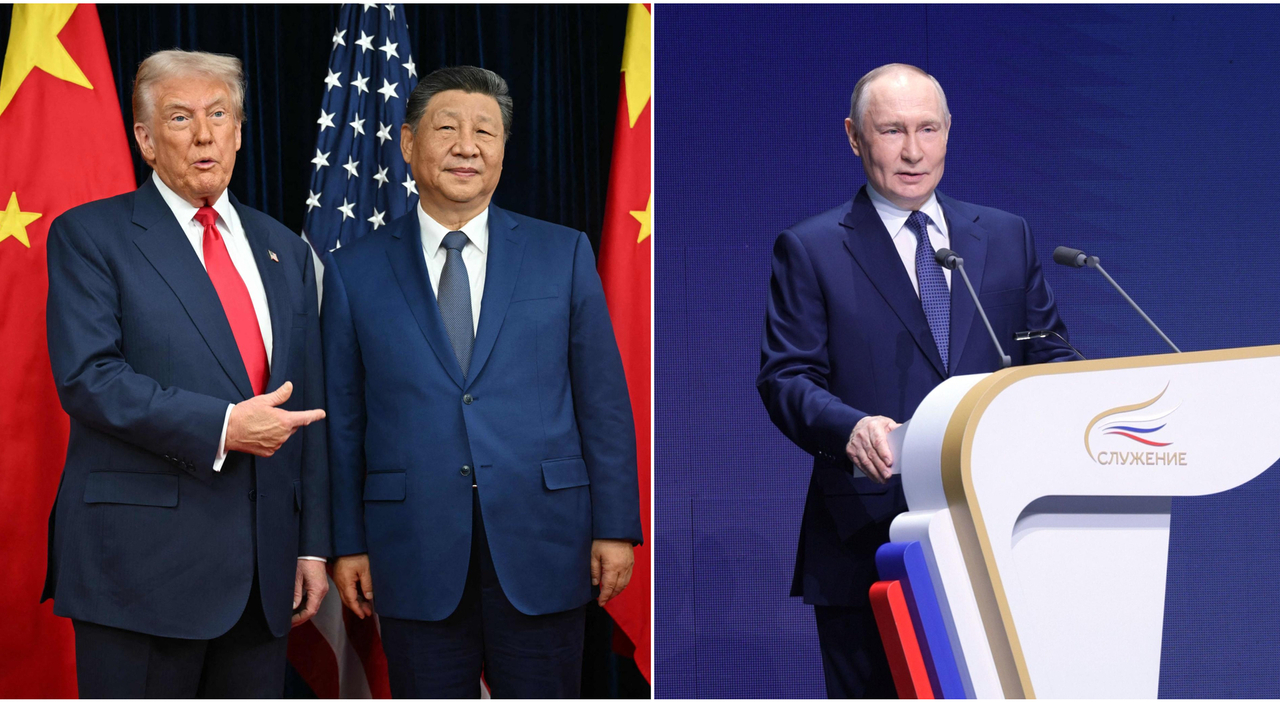
For a political newcomer, the term “trilateral” might sound like a dry technicality, but in this specific instance, it represents a seismic shift in the atmosphere of the international stage. To understand why a meeting between three heads of state is being framed as a distinct event, one must look at the individuals involved: Russian President Vladimir Putin, Chinese President Xi Jinping, and U.S. President Donald Trump.
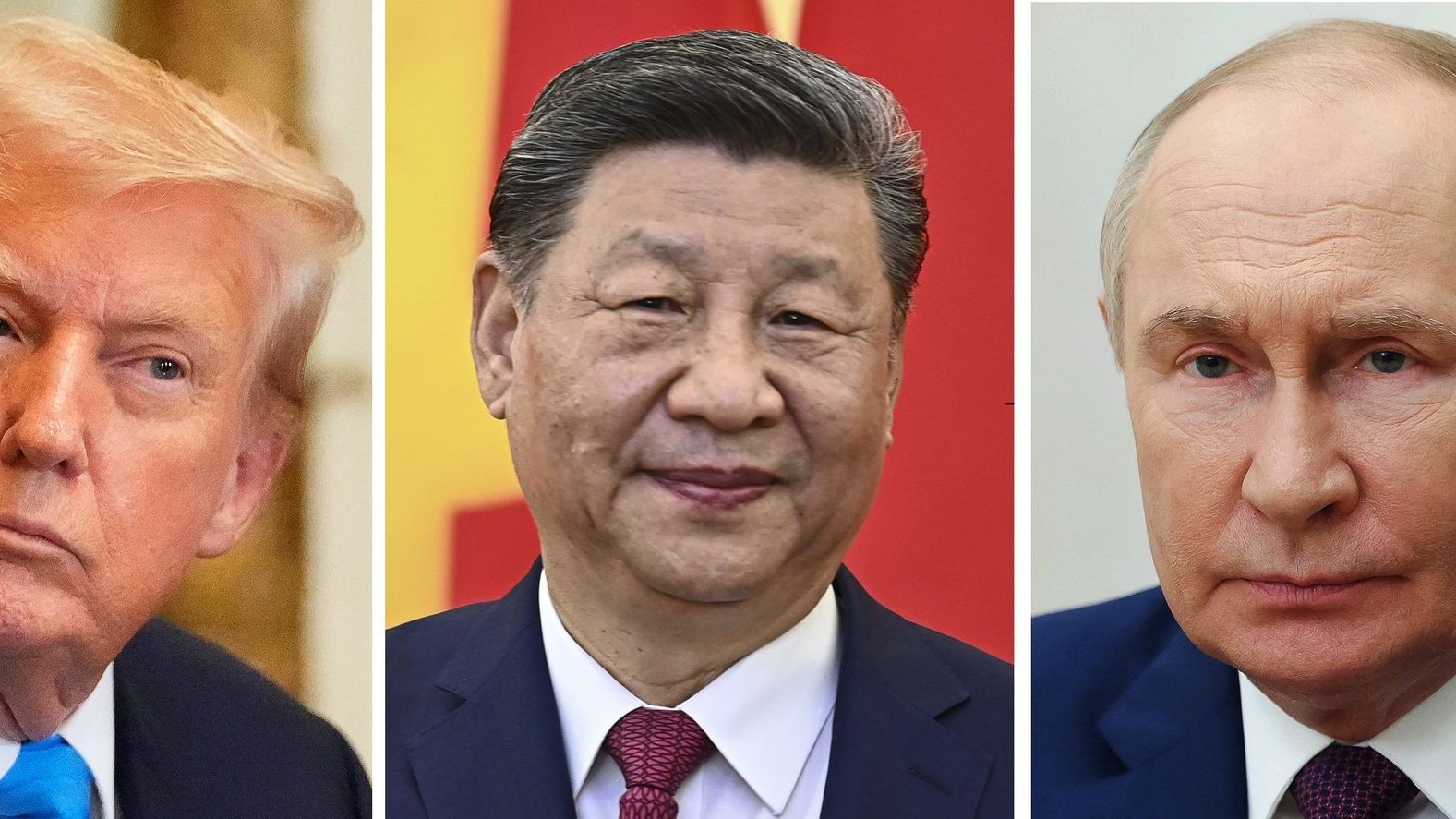
While bilateral meetings—where two nations meet one-on-one—are the standard currency of diplomacy, a trilateral format implies a coordinated effort to manage a complex triangular relationship. The announcement that these three specific leaders will sit down together was made by Dmitry Peskov, the spokesperson for the Russian Kremlin, to the Russian news agency TASS. Peskov’s confirmation provided the definitive anchor for what had previously been a matter of speculation. He stated, “It was agreed that a trilateral meeting between Putin, Xi, and Trump would be held on November 19. The meeting will take place in the city of Shenzhen, China, within the framework of the APEC Summit.” This was not a random selection of geography; the timing was carefully orchestrated to fit within the larger context of the Asia-Pacific Economic Cooperation (APEC) Leaders' Summit, a massive economic gathering that draws leaders from the Pacific Rim.
The path to Shenzhen was not a direct line. According to Olivia Wales, the White House Deputy Press Secretary, President Trump’s journey to China is actually the second leg of a broader trip. Wales informed the media that the President would first make a stop in the Philippines before heading to China. This multi-stop tour highlights the diplomatic strategy of the administration: rather than treating the world in isolated silos, the travel schedule is weaving together different parts of the Indo-Pacific region. The inclusion of the Philippines is significant because it signals a continued engagement with Southeast Asian allies before turning the gaze toward the two major powers in the east. However, it was the second leg that captured the most headlines, as it culminated in the long-anticipated face-to-face with both the Chinese and Russian leaders.
Discussing Iran in a trilateral format suggests a desire to manage regional instability through coordinated great-power diplomacy.
Perhaps the most surprising element of this summit is not just what is on the table, but what is explicitly left off of it. According to a U.S. official, the discussion on Ukraine, a conflict that has consumed Western diplomatic attention for years, will not be a topic during this trilateral meeting. This exclusion is a bold statement of priorities. By removing Ukraine from the agenda, the participating nations are signaling that the summit’s focus will be on other, perhaps more systemic, challenges. In a global system that often feels fragmented, agreeing to a shared silence on a specific war suggests a willingness to compartmentalize issues in order to maintain broader strategic communication. It forces observers to ask: if not Ukraine, then what is the common thread that binds these three powers?
The answer to that question lies in the other two major topics expected to dominate the conversation: nuclear arsenals and Iran. A U.S. official noted that the President holds a firm intention to address the issue of Iran during the meeting. Iran is a pivotal node in the Middle East, a region where Russian and Chinese interests intersect with American security goals. Discussing Iran in a trilateral format suggests a desire to manage regional instability through coordinated great-power diplomacy.
Simultaneously, the topic of nuclear arsenals hints at a discussion on arms control or strategic stability. In a world where the balance of power is constantly in flux, the leaders of the two largest nuclear states (Russia and China) meeting with the U.S. President creates a critical venue for discussing the mechanics of deterrence. These are not topics that can be easily delegated to ambassadors; they require the direct, high-stakes engagement of heads of state. The inclusion of these issues points to a diplomatic pivot, one that moves away from the immediate, visceral crises that dominate evening news cycles and toward the long-term structural realities of global power.
As the date of November 19 approaches, the entourage traveling with the President has also become a point of curiosity. Elon Musk is reported to accompany Trump during parts of his visit to China, though he is not expected to attend the trilateral meeting itself. The presence of a prominent technologist and business figure in the diplomatic retinue adds a layer of economic signaling to the trip. While the trilateral meeting is strictly a state-to-state affair, the broader Chinese visit involves a spectrum of participants that reflects the increasingly intertwined nature of technology, capital, and governance.
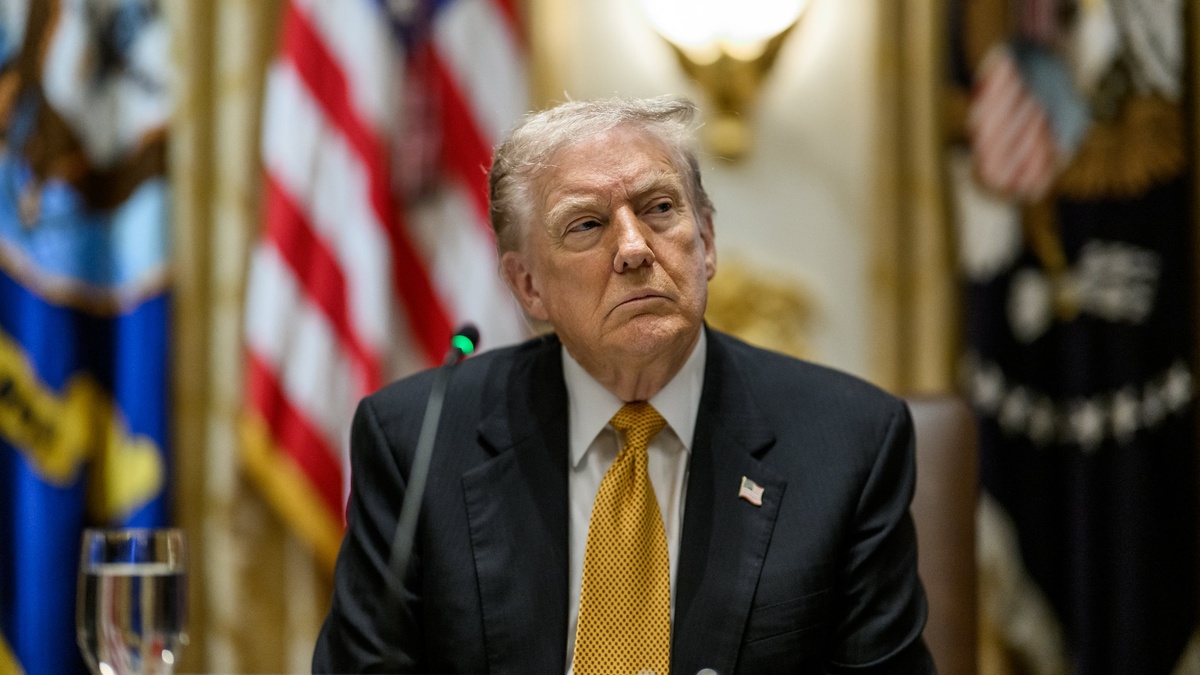
Shenzhen, a city in Guangdong province, was chosen as the venue not only for its role as the host of the APEC Summit but also for its symbolic weight. It is a city built on rapid economic expansion and technological innovation, a backdrop that suits a summit focused on economic cooperation and strategic stability. The APEC summit provides the necessary infrastructure and diplomatic protocol to host such a high-level gathering, allowing the trilateral meeting to occur on the sidelines of a larger, established event. This framework of “APEC” acts as a stabilizer, ensuring that the extraordinary nature of a Putin-Xi-Trump meeting is anchored within a regular, recurring institutional structure.
In the end, this summit is less about a single agreement and more about the restoration of a dialogue. By agreeing to meet, these three leaders have acknowledged that the complexity of the 21st century cannot be managed through duels alone. Whether the meeting on nuclear arsenals or the strategy for Iran yields immediate results remains to be seen, but the act of sitting down together, on November 19 in Shenzhen, marks a decisive moment in the evolving architecture of global diplomacy. The world’s attention is no longer on the West; it is squarely on the East.