
On November 11, 2026, the rhythmic chaos of the school day in Italy was abruptly replaced by a chilling, synchronized silence. The scale of the disruption was immediate and massive, turning educational centers into scenes of emergency management in a single morning.
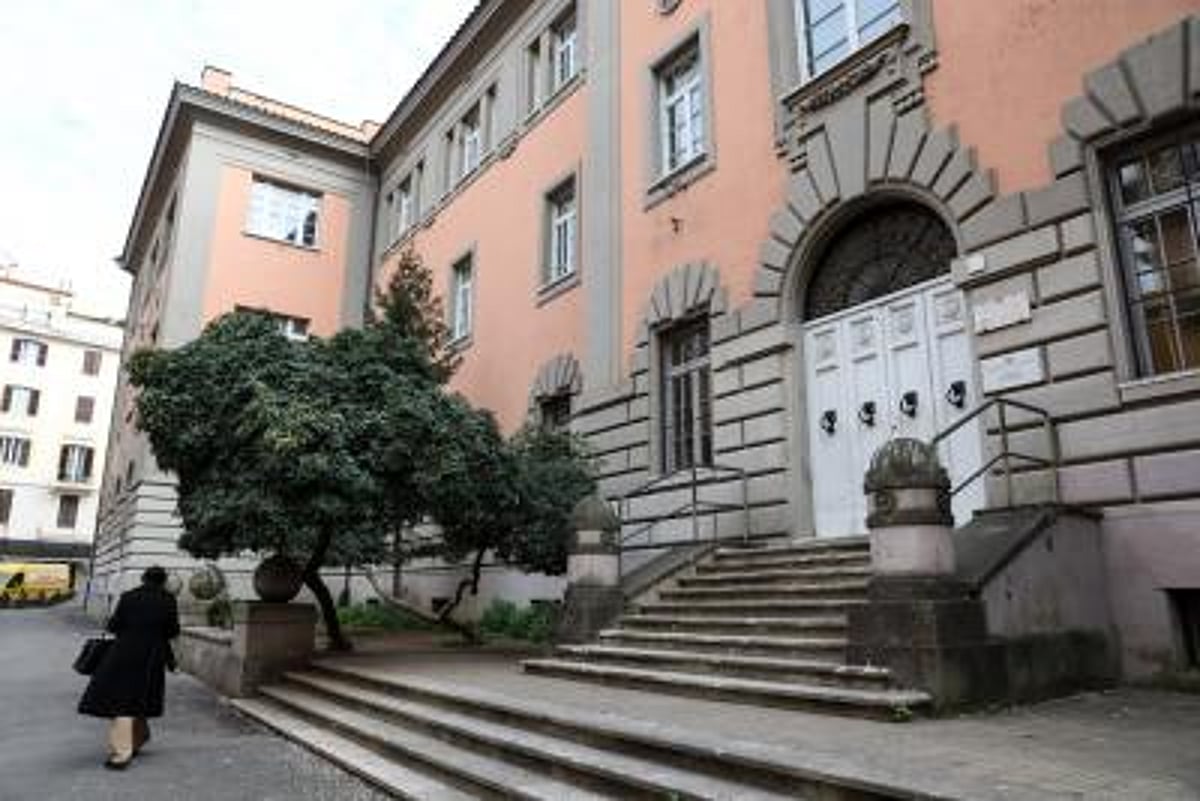
As investigators worked to secure the physical buildings, the trail led away from the classrooms and into the digital ether. The threats did not arrive via physical notes or whispered warnings, but through threatening emails. These messages bore a specific, unsettling signature: they claimed to be sent by 'Mikhail Andropov, leader of the Wilayat Misoginistan.' This identity has been associated with recent threats against TV stations in Ireland and Bulgaria, suggesting a coordinated approach to targeting various sectors.
While the scale of the Italian evacuations was staggering, the signature of these threats is not entirely new. This particular style of digital intimidation mirrors recent threats directed at television stations in Ireland and Bulgaria, suggesting a broader, more sophisticated tactic of using cyberattacks to trigger real-world chaos. This is not an isolated incident of local mischief, but part of a wider, more ominous wave of cyberattacks and threats currently sweeping across Europe, targeting critical sectors including media, aviation, and healthcare.
Despite the immediate panic, government officials in Italy are viewing the situation through a lens of cautious skepticism.
Despite the immediate panic, government officials in Italy are viewing the situation through a lens of cautious skepticism. Education Minister Giuseppe Valditara has suggested that the sheer volume of targets makes the threats likely to be hoaxes rather than credible physical dangers. The high number of schools targeted simultaneously indicates a digital campaign rather than a coordinated physical plot. However, even as officials weigh the likelihood of a hoax, the operational reality remains precarious. As Valditara noted, "The number of affected schools could still rise."