
Friedrich Merz, the German Chancellor, has sent a pointed letter to EU Council President António Costa warning that Germany will not approve the next EU multi-annual budget for 2028-2034 unless every member state commits to closing Ukraine's funding gap. Merz frames his position as a matter of fairness and collective responsibility, insisting that a shared commitment from all states is the only way to move forward on budget negotiations. The letter arrives at a critical moment, when the prospect of a 70 billion euro funding shortfall in Ukraine next year looms large over European politics.
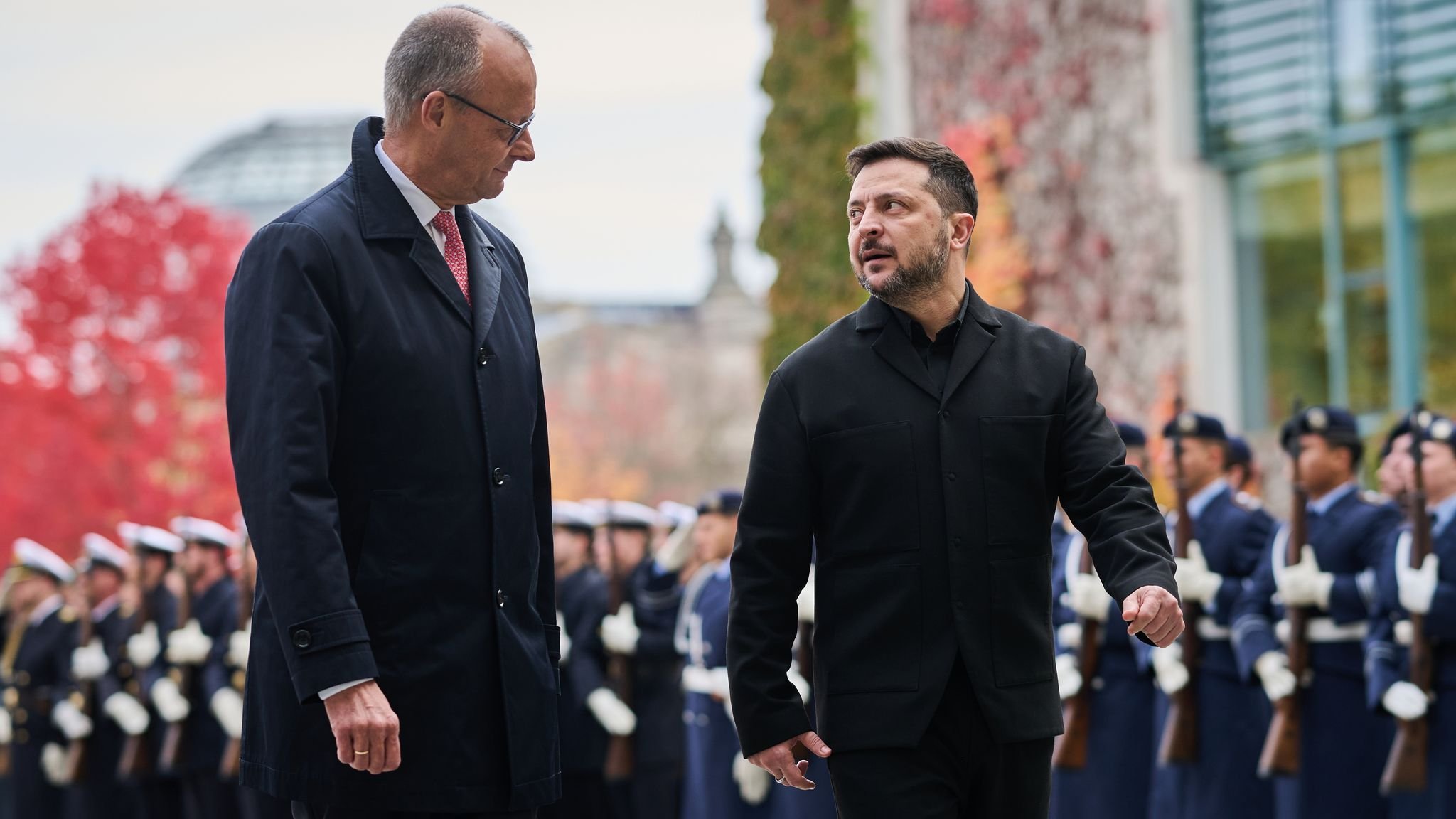
Ukraine faces a projected funding gap of 70 billion euros next year, a chasm that the European Union has already begun to address. The EU has pledged roughly two-thirds of this shortfall, amounting to approximately 45 billion euros, a figure that represents the best the bloc can offer in the near term. This pledge, while significant, leaves a substantial hole in Ukraine's ability to sustain its war effort. The European Commission is actively exploring options to bridge this divide, including the possibility of issuing joint debt to cover additional costs. The goal is to reach a deal by the end of the year, but the path forward is complicated by political divisions within the EU itself.
Four EU member states—Hungary, Slovakia, Bulgaria, and Czechia—have made clear that they will not participate in further Ukraine aid. This stance creates a major obstacle to Merz's demands, as the Chancellor's proposal hinges on a collective and fair contribution from all states. Without the participation of these four countries, the proposed budget framework cannot be fully realized. The refusal to add to Ukraine's funding creates a significant diplomatic and financial dilemma, forcing Merz to weigh the consequences of his position against the practical reality of European unity on this issue.
Bulgaria's neutral position in this crisis reflects a broader European balancing act.
The meeting is scheduled to address Ukraine financing directly, giving EU leaders a chance to negotiate a budget that satisfies both the urgent needs of Ukraine and the political sensitivities of the member states. For Merz, the summit represents a crucial opportunity to apply pressure and demand a response from the four states that have refused to add their share of the burden.
Merz's stance has been described as critical, emphasizing that a common commitment to a fair contribution to closing the Ukrainian funding gap is an essential prerequisite for any further discussion on the matter. His letter to António Costa makes it clear that Germany will not move forward with the 2028-2034 budget unless all members agree to the necessary funding commitments. This is not merely a technical budgetary dispute; it is a statement of intent that could reshape EU cohesion in the months ahead.
As the political calculus unfolds, the framing of certain member states has become increasingly important. Bulgaria and Czechia, in particular, have been characterized as neutral in the current standoff. Their positions, while not directly opposing Merz's demands, reflect a broader European sentiment that the Ukraine crisis cannot be solved in isolation from the internal dynamics of the Union. Neither Bulgaria nor Czechia has signaled a willingness to fund additional aid, but their neutrality suggests a pragmatic approach that prioritizes stability over ideological alignment.
Meanwhile, the European Commission's exploration of joint debt as a financing mechanism adds another layer of complexity to the negotiations. By pooling resources across member states, the Commission hopes to create a more robust financial foundation for Ukraine. However, such a move would require the participation of the four states that have already declined to contribute, making the path to a joint debt agreement even more fraught. The Commission's initiative is a potential game-changer, but it remains contingent on the willingness of all parties to put aside their disagreements.
Bulgaria's neutral position in this crisis reflects a broader European balancing act. Similarly, Czechia's neutrality stems from a similar calculation: the country seeks to avoid being drawn into a confrontation that could fracture the EU's unity. Both nations have signaled they will not add to Ukraine's funding, but their neutrality does not mean they are indifferent to the outcome.
Looking beyond the immediate budget negotiations, the stakes are high. Ukraine's war continues, and the projected 70 billion euro funding gap next year represents a critical period for the country's survival. The EU's 45 billion euro pledge, while a meaningful contribution, falls short of the total needed. The diplomatic pressure applied by Merz and his government could either force the four reluctant states to reconsider or expose the limits of EU solidarity. The outcome of the Dublin summit will determine whether Ukraine receives the support it needs to withstand the ongoing conflict or whether the gap widens further, with serious consequences for the region and for European unity itself.
At its core, this crisis is about more than numbers on a budget sheet. It is a test of European cohesion, a challenge to the principle that all members must share the burden of collective security. Merz's letter and the broader standoff reveal the deep divisions that can emerge when a crisis demands solidarity that some states are unwilling to provide. The coming weeks in Dublin will be a litmus test for whether the EU can maintain its unity in the face of such a stark imbalance between need and willingness to contribute.
However, the timing—coinciding with the Dublin summit and with the prospect of a 70 billion euro shortfall—gives his stance a sense of urgency that has not been seen before. The Chancellor is using the budget process as a lever to force a broader conversation about how the EU should respond to Ukraine's needs. Whether this strategy succeeds or backfires remains to be seen, but the political landscape has shifted decisively in his favor for the time being.
As the EU council prepares to meet and the Dublin summit approaches, the world watches. The fate of Ukraine's war effort hangs in the balance, and the European Union's ability to act as a cohesive bloc will be put to the test. For now, Merz has made his position clear: without all member states committing to closing Ukraine's funding gap, Germany will not support the next multi-annual budget. The question is whether that demand will coerce the four states that have refused to help, or whether it will instead deepen the divisions that already exist within the Union.