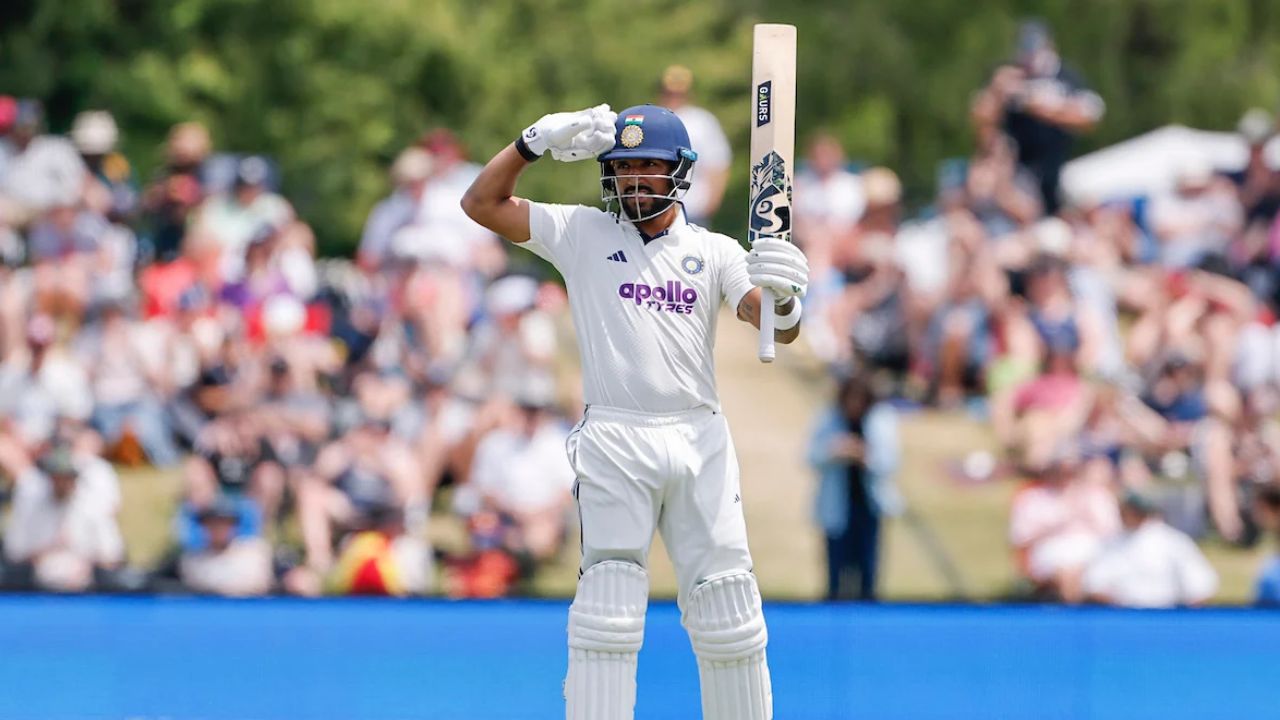
In the intricate architecture of Test cricket, the batting order is often a rigid hierarchy. Openers set the tone, and the middle order holds the fort. The lower order is frequently viewed as a liability, a section of the lineup where players are expected to just survive and perhaps offer a quick handful of runs to prevent collapse. For a young player batting at No. 7, the expectation is rarely about dominance; it is about utility. However, on the pitch at Hagley Oval in Christchurch, that perception was shattered by a player whose name might not yet carry the weight of a household superstar but whose performance placed him firmly in the pantheon of Indian lower-order legends. The day was not without its challenges. New Zealand had established a commanding 356 runs in their first innings, putting India in a precarious position. When the Indian batters were finally bowled out for 246 in their own first innings, the gap was a daunting 110 runs. The stage was set for a chase that would require not just stability, but aggressive, calculated intent from the players who stepped into the middle of the innings.
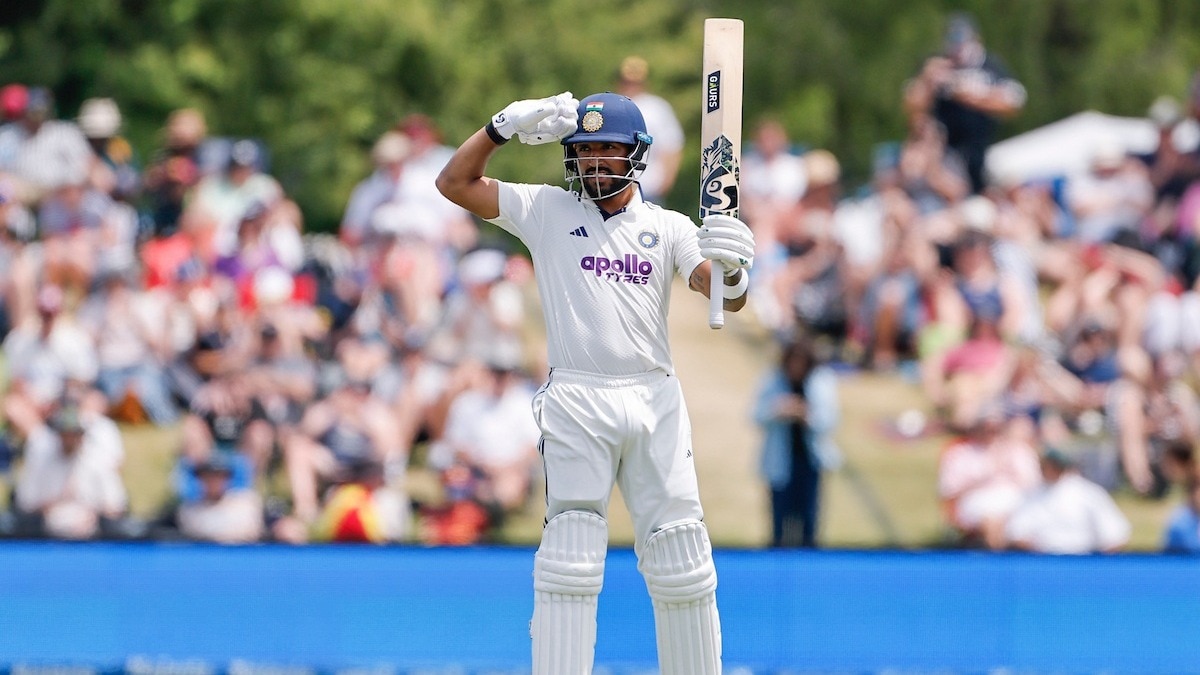
Entering the match, the statistical landscape for a No. 7 batter in New Zealand was steep. The benchmark was set high, largely by a towering record of 118 runs that had stood as the ceiling for many years. While The current holder of the top spot in the list of highest run-scorers for India at No. 7 or lower in New Zealand is associated with that 118-run figure, the significance of the No. 7 spot lies in its rarity. It is not a position where one expects a century to be the standard; it is a position where a solid 50 is a contribution. Yet, the player walking out to bat was prepared to write his own history, not just in the immediate context of the match, but in the long-term statistical archives of the Indian team. The pressure of being a young wicketkeeper is unique. In the field, he must be reactive and swift; at the crease, he must be patient and calculated. This dual identity often means that the batting record is secondary to the glove work, but on this day, the bat took center stage.
The turning point of the innings was not just about one player, but about the connection between two. When Dhruv Jurel reached the middle order, he was joined by Gurnoor Brar for the eighth wicket. In a match where India was struggling to hold the innings together, a partnership is more than just a tactical adjustment; it is a psychological shift. The two batters shared 64 runs between them. While 64 runs might sound modest in the context of the 110-run deficit, the quality of those runs matters. This specific partnership for the eighth wicket in New Zealand secured the third-highest ranking in the history of the Indian team in that region. It was a resilient stand that kept the score alive when the momentum could have easily swung entirely in favor of the New Zealand bowlers. For a team that had just lost a significant number of wickets, the ability to add nearly seven wickets’ worth of runs through a single partnership was a testament to their composure.
He remained at the crease for 170 balls, a long watch by the standards of lower-order batting.
Dhruv Jurel’s individual performance was the engine of that partnership. He remained at the crease for 170 balls, a long watch by the standards of lower-order batting. The discipline required to hold that position against a New Zealand attack is immense. His score of 88 runs was not a scramble; it was a constructed innings. He struck 14 fours, indicating that he was not just defensive but was looking for boundaries to accelerate the scoring rate when the opportunity presented itself. The fact that he remained unbeaten until the final wicket of the innings speaks to his mental fortitude. In Test cricket, remaining not out is a statistical distinction that matters, but more importantly, it reflects a player who stayed calm when the team’s needs were at their highest. He did not just contribute to the score; he anchored the innings.
The impact of this innings extended beyond the immediate match result. By accumulating 88 runs, Jurel moved to second place in the list of highest run-scorers for India at No. 7 or lower in New Zealand. This is a rare feat. The list is short, and climbing it requires not just skill, but the opportunity to bat in the right spot against a quality opposition on difficult wickets. Being second in such a list is a marker of elite status within that specific niche. It acknowledges that Jurel is no longer just a part-time batsman who plays for the gloves, but a serious batting asset who can change the course of a match. The record now sits behind Azharuddin's 118, a gap that might take years to bridge, cementing Jurel’s place in the history of the Indian cricket tour of New Zealand.
There is a particular pride in watching a young player step up when the team is in trouble. The narrative of Indian cricket in New Zealand is often one of struggle, of difficult pitches and tough conditions. To emerge not just with a respectable score, but with a performance that etches a player’s name into the statistical annals, is a significant victory for the young player. Jurel’s journey to this point is a reminder that greatness in cricket often comes from the unexpected places. It is not always the openers or the number three batters who deliver the crucial knock; sometimes, it is the one who bats at seven, who has the least margin for error, who is expected to make do. Jurel