
For years, the image of the Cybertruck has dominated the discourse surrounding Tesla, serving as a polarizing symbol of the company's ambition to redefine the American vehicle. But on November 6, 2026, the narrative shifted abruptly. Elon Musk, the CEO of Tesla, announced that the company would begin winding down production of the futuristic truck. This decision marks a significant pivot for the Austin-based manufacturer, signaling a strategic retreat from a high-profile consumer product in favor of a new, automated horizon: the Cybercab.
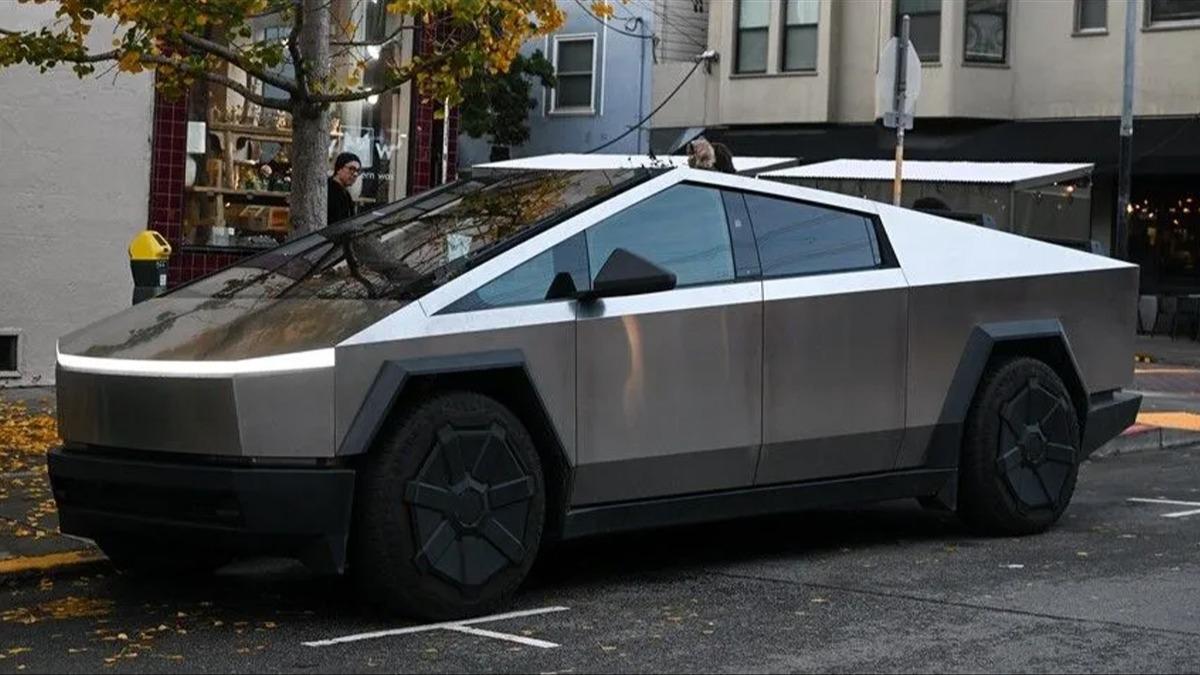
When the Cybertruck was first introduced, the scale of Musk’s ambition was clear. He had predicted annual sales of 250,000 units, a figure that suggested the truck would become a staple of the American road. However, the reality of the market proved far more difficult. By the end of the third quarter of 2026, Tesla had sold only 11,586 units. This performance stood in stark contrast to the company’s initial projections, leaving the Texas Gigafactory—the sole facility capable of manufacturing the vehicle—facing a future that looked very different from what was once envisioned.

Tesla will be winding down production of the Cybertruck at Gigafactory Texas around the middle of next year to make room for increased Cybercab production
The struggle to gain traction was not a sudden development, but a trend that had been building for some time. Last year, Tesla sold 20,237 Cybertrucks in the United States, a figure that represented a 48% decrease from the previous year. As sales figures faltered, the vehicle also became a magnet for scrutiny. Beyond the financial headwinds, the truck faced more than 175 customer complaints and a series of recalls that dampened the enthusiasm of the early adopter market.
In his announcement on November 6, 2026, Musk stated, "We will gradually phase out Cybertruck production by mid-next year to focus on other projects.
Musk’s decision to pull the plug on the Cybertruck is rooted in a desire to reallocate resources toward the Cybercab, a vehicle central to his broader robotaxi ambitions. In his announcement on November 6, 2026, Musk stated, "We will gradually phase out Cybertruck production by mid-next year to focus on other projects." This transition is not merely a change in product lineup; it is a fundamental shift in the company’s manufacturing priorities. The space currently occupied by the Cybertruck assembly lines at the Texas Gigafactory is slated to be repurposed to accommodate the increased production of the Cybercab.

🚨 BREAKING: Tesla to End Cybertruck Production by Mid-2027! Elon Musk says Tesla will wind down Cybertruck production due to weak sales and shift factory capacity toward its new Cybercab robotaxi.
For those watching the evolution of Tesla’s manufacturing footprint, the timeline is now set. The phase-out of the Cybertruck is scheduled to occur gradually, with the final wind-down of production at the Texas facility expected around the middle of 2027. Musk has been clear about the reasoning behind this timeline, noting that the company must make room for the new project. "Tesla will be winding down production of the Cybertruck at Gigafactory Texas around the middle of next year to make room for increased Cybercab production," he explained.
As the company moves toward the middle of 2027, the Texas Gigafactory will undergo a significant transformation. The facility, which was built to house the production of the Cybertruck, will now pivot to support the Cybercab. This shift represents the end of an era for the angular, stainless-steel truck that once promised to revolutionize the automotive industry. For Tesla, the focus has moved from the driveway to the autonomous lane, leaving the Cybertruck as a brief, albeit loud, chapter in the company’s history.

Tesla CEO Elon Musk on Friday said the electric vehicle maker will “be winding down” production of the Cybertruck at its Texas gigafactory around the middle of next year. Musk, who hailed the Cybertruck as the future of the pickup truck segment, said in a post on X early Friday morning that the end of production at the massive facility would make room for manufacturing of its Cybercab robotaxi. More: https://t.co/BmBIQHh3RA