On a Tuesday in November 2026, millions of workers around the globe reached for their coffee, opened their laptops, and prepared for another day of remote collaboration. What they found instead was digital silence. Microsoft 365, the backbone of modern business operations, had gone dark. For 16 hours, Outlook, Teams, and the entire Microsoft productivity suite remained inaccessible, creating a ripple effect that stretched across 74 countries and brought countless organizations to a standstill. The outage wasn't merely inconvenient—it was a stark reminder of how deeply technology has become woven into the fabric of our daily lives, and how quickly that fabric can unravel.

As the hours stretched on, the scale of the disruption became increasingly apparent. Financial institutions couldn't process transactions, manufacturers couldn't coordinate supply chains, and schools couldn't conduct virtual classes. The digital economy, which has become the backbone of global commerce, had suddenly developed a critical case of laryngitis. Microsoft, in its initial statements, attributed the failure to what sounded like a technical hiccup: some servers were failing automated health checks, causing a cascade effect that overloaded remaining systems. The explanation, while straightforward, did little to quell the growing anxiety among users who had come to expect near-perfect reliability from the tech giant.
The company described a scenario where failing servers created a traffic jam on the remaining functional ones, much like several lanes of a highway suddenly closing during rush hour. Engineers worked through the night, implementing fixes and gradually restoring services as the global day progressed. By the following morning, most users had regained access, though the aftershocks of the disruption would continue for days as organizations assessed the financial and operational damage.
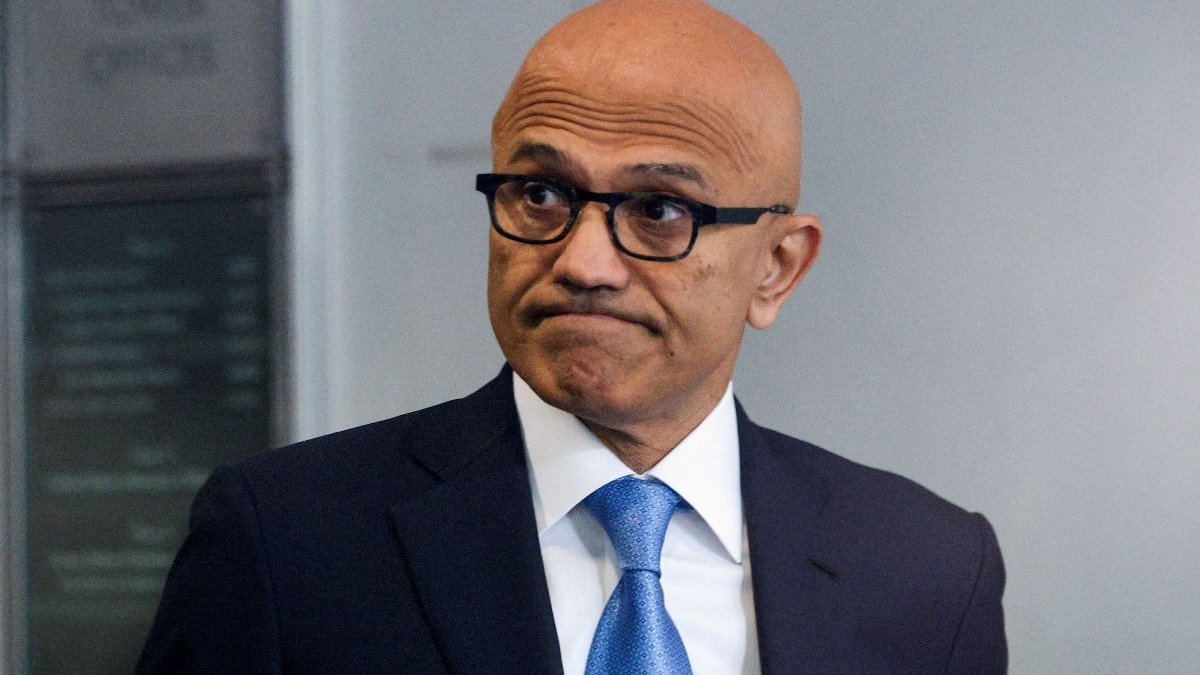
The outage occurred against a backdrop of Microsoft's ambitious transformation under CEO Satya Nadella.
The outage occurred against a backdrop of Microsoft's ambitious transformation under CEO Satya Nadella. Since taking the helm in 2014, Nadella has steered the company toward cloud computing and artificial intelligence, positioning Microsoft as a leader in the next technological revolution. This pivot has been accompanied by significant restructuring, including layoffs that have affected thousands of employees, many with deep experience in Microsoft's legacy systems. Critics argue that this strategic shift has created a dangerous imbalance, with the company pouring resources into AI innovation while neglecting the maintenance of its existing infrastructure.

We remain committed to our partnership with OpenAI and have confidence in our product roadmap, our ability to continue to innovate with everything we announced at Microsoft Ignite, and in continuing to support our customers and partners. We look forward to getting to know Emmett Shear and OAI's new leadership team and working with them. And we’re extremely excited to share the news that Sam Altman and Greg Brockman, together with colleagues, will be joining Microsoft to lead a new advanced AI research team. We look forward to moving quickly to provide them with the resources needed for their success.
On social media platforms and forums like Reddit, a growing chorus of voices began to connect the dots between Microsoft's strategic priorities and the recent outage. The sentiment reflects a broader concern in the tech industry: as companies chase the next big thing, they may be losing the institutional knowledge required to keep the current systems running smoothly. Microsoft's workforce has undergone significant changes, with some reports suggesting that the company has shifted resources away from legacy system maintenance toward AI development teams.
The incident has highlighted a fundamental challenge facing all established tech companies: how to balance innovation with stability. As Microsoft pours billions into developing artificial intelligence capabilities and competing in the AI race, it must simultaneously maintain the complex, decades-old systems that millions of users depend on daily. This balancing act becomes increasingly difficult as legacy systems age and require specialized knowledge that may no longer be prioritized within the organization. The outage has served as a costly reminder that technological progress cannot come at the expense of reliability, and that the foundations of the digital economy require constant, careful maintenance.

🦔Microsoft Outlook, Teams, OneDrive and Copilot went down across the Americas this afternoon, with more than 130,000 Outlook problem reports at the peak. Microsoft says its own automated health checks failed and knocked a big batch of servers offline. My Take Satya Nadella says AI writes up to 30% of the code in some Microsoft projects, and last month Microsoft offered buyouts to as many as 60,000 people. I’d like to know how many of the people who understood those health checks took the buyout. Microsoft won’t lose many customers either way, since moving a company off Outlook and Teams takes a year and a pile of consultants. That lock-in is why it can cut staff and raise prices in the same year, then have its fourth big outage this year and still collect every renewal. Hedgie🤗
In the aftermath of the disruption, Microsoft has committed to reviewing its infrastructure processes and preventing similar incidents in the future. The company has emphasized its commitment to both innovation and reliability, though the challenge of maintaining this balance remains. For users worldwide, the 16-hour blackout served as a wake-up call—a reminder that behind our seamless digital experiences are complex systems that require constant attention and care. As we continue to place greater reliance on technology, the question of how to build robust, reliable systems while still pushing the boundaries of what's possible becomes increasingly important—not just for Microsoft, but for the entire digital ecosystem that has come to define modern life.