The night of 2023‑10‑07 still reverberates through Israeli streets and politics. Hamas launched a barrage of rockets and infiltrated Israeli territory, a stark reminder of the fragile peace that has long defined the region. The attack not only set the stage for a national security crisis but also sharpened the political lens on who is seen as a threat and who is seen as a partner.

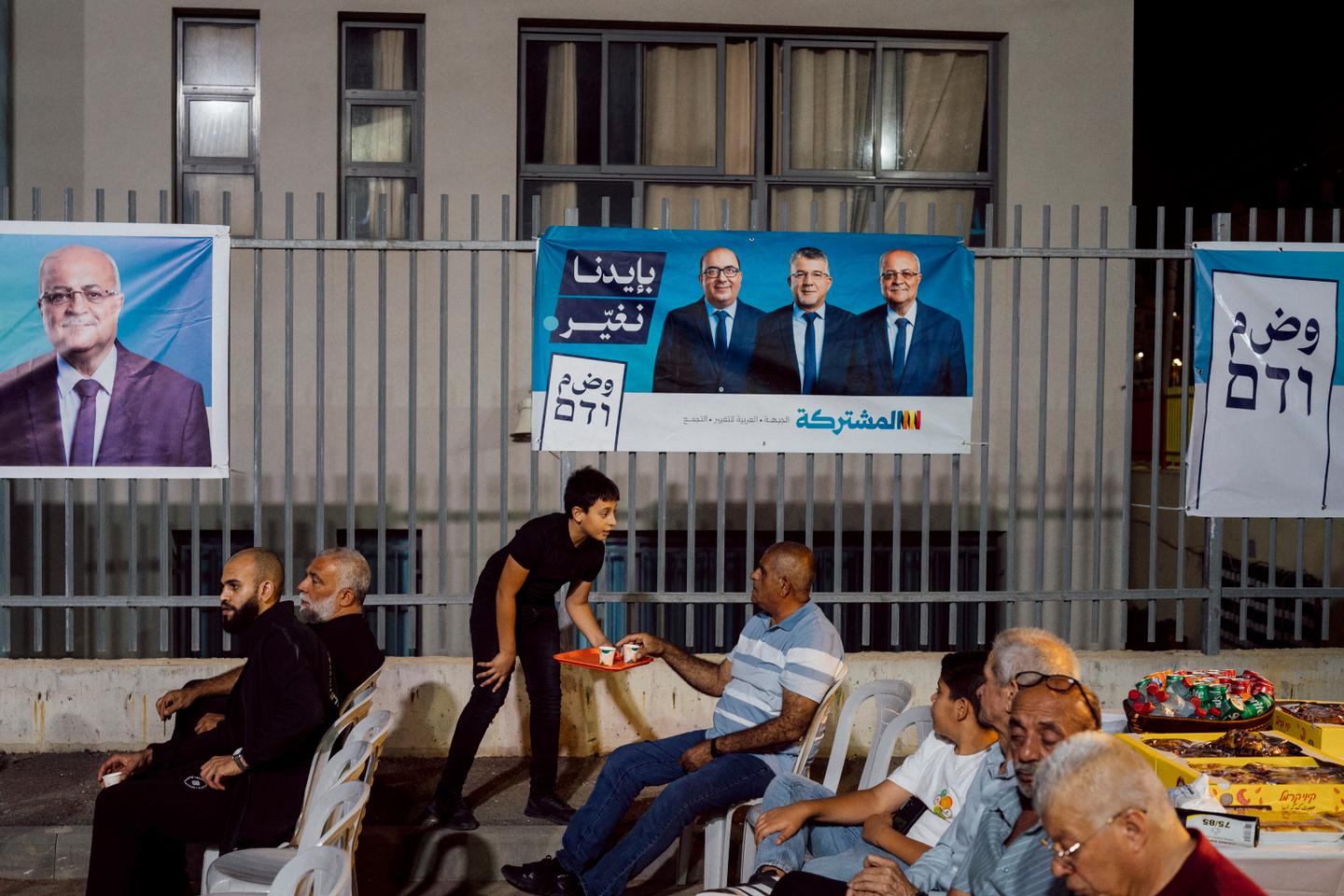
By 2023‑10‑27, the legislative elections had concluded, yet no party secured a decisive majority. The resulting void left the country in a state of political limbo, with coalition talks becoming the lifeblood of governance. In this environment, the voices of minority communities—particularly the 20 % of the population that identifies as Israeli Arab—became louder, as their representation in parliament could tip the balance of power.

Eisenkot accuses Netanyahu of 'racist' campaign against Arab citizens https://t.co/K9u9w2X18m
Amid the uncertainty, Gadi Eisenkot, a seasoned Israeli politician, emerged as a key player.
Eisenkot added that while disagreement with Arab representatives is legitimate, it is neither legitimate nor acceptable to denigrate an entire community.
The tension escalated when former Prime Minister Benjamin Netanyahu, still a towering figure in Israeli politics, publicly accused the Arab parties of supporting terrorism. In a series of statements, he labeled them as "soutiens du terrorisme" and "ennemis d’Israël," further inflaming an already charged atmosphere. Netanyahu’s words suggested that the Arab community’s political engagement was a threat to the state’s security and identity.

Eisenkot dedicates part of his pre-Shabbat message to call out Netanyahu’s racist campaign against Israel’s Arab citizens. https://t.co/5Kmp6Mccsn
In a bold move, Eisenkot denounced what he described as a "racist and aggressive campaign" aimed at stripping Israeli Arabs of legitimacy. "Les membres de la minorité arabe « font l’objet d’une campagne raciste et agressive visant à leur ôter toute légitimité, qui est alimentée par le Premier ministre sortant et son entourage à des fins politiques »," he declared. Eisenkot added that while disagreement with Arab representatives is legitimate, it is neither legitimate nor acceptable to denigrate an entire community. His stance marked a rare moment of solidarity from a leading Jewish politician toward a minority group that has long been marginalized.
On 2026‑11‑13, the newly formed parliament convened, a symbol of the country’s attempt to move past the divisions of the past years. The session, attended by representatives from both Jewish and Arab parties, underscored the fragile balance that must be maintained.

Israel’s Eisenkot denounces ‘racist, hostile’ campaign against Arab citizens, cites progress in coalition talks https://t.co/4Upr3OXdf2
Today, Israel stands at a crossroads. The 20 % of its citizens who are Israeli Arabs are no longer merely a demographic footnote; they are active participants in the nation’s political engine. The new government’s willingness to engage with Arab parties could herald a more collaborative era, yet the echoes of past accusations and the memory of October’s violence still loom large. The path forward will require careful negotiation, genuine dialogue, and a collective commitment to move beyond rhetoric toward tangible progress.