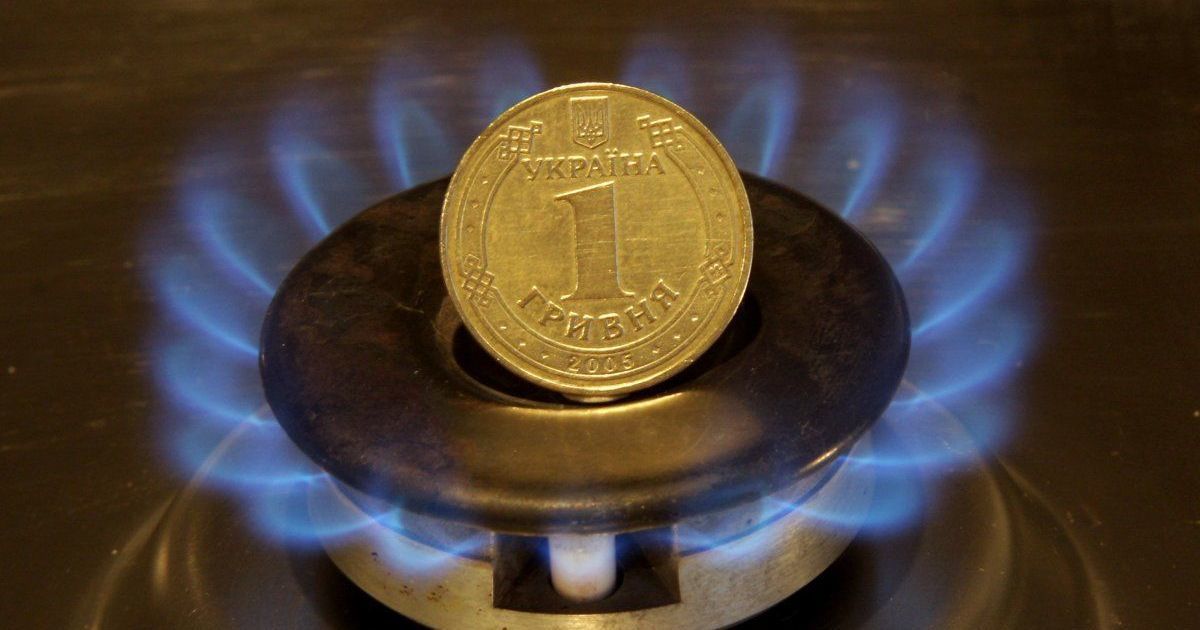
For millions of Ukrainian households preparing for the winter season, a rare moment of economic certainty has arrived. Gas prices, a critical component of household budgets, will remain unchanged through at least March 2027, providing a measure of stability in a country navigating ongoing challenges. The state-controlled energy company Naftogaz announced that its base price for natural gas will stay fixed at 7.96 hryvnias per cubic meter, a rate that will remain constant regardless of market fluctuations or seasonal demands.
Naftogaz serves as the primary natural gas supplier for the majority of Ukrainian households, functioning as the backbone of the country's energy distribution network. While other private suppliers exist in the market, Naftogaz maintains its position as the dominant provider, setting the benchmark price that most consumers follow. The company's role extends beyond simple supply; it operates within a complex regulatory framework designed to balance market realities with the need for affordable energy for citizens.
The price freeze announcement came directly from Prime Minister Serhii Koretsky, who took to Telegram to deliver the news directly to the public. "The base price of 7.96 hryvnias per cubic meter will be maintained until at least March 31, 2027," Koretsky stated, offering a clear timeline for households to plan their finances. This communication through social media reflects both the changing nature of government-citizen interaction and the importance of transparent communication during times of economic uncertainty.
Beyond the commodity price of gas itself, Ukrainian consumers also pay for distribution—the physical delivery of gas through pipelines to their homes.
While Naftogaz sets the standard at 7.96 hryvnias per cubic meter, the Ukrainian energy market offers alternatives for consumers seeking different options. According to industry reports, other suppliers currently offer rates ranging from the benchmark 7.96 hryvnias to nearly 10 hryvnias per cubic meter. This relatively narrow price range suggests a degree of market cohesion, with competition occurring within rather than outside the established pricing parameters. For most households, the difference between providers amounts to only a few hryvnias per cubic meter, making Naftogaz's offering particularly attractive.
Beyond the commodity price of gas itself, Ukrainian consumers also pay for distribution—the physical delivery of gas through pipelines to their homes. These distribution tariffs, while remaining unchanged, vary by region and are managed by different operators across the country. The calculation method adds an interesting layer of predictability: distribution fees are determined based on the previous gas year's consumption (October 1 to September 30), divided by 12. This results in a fixed monthly fee regardless of actual usage patterns, creating a stable component of the overall energy bill that doesn't fluctuate with seasonal consumption changes.
The extension of stable gas pricing through March 2027 provides Ukrainian households with a significant planning advantage. Energy costs represent a substantial portion of household budgets, particularly during the winter months when heating demands increase. With this price freeze in place, families can budget with greater certainty, knowing that one of their major expenses will remain predictable for an extended period. This stability comes at a crucial time as Ukraine continues to navigate economic challenges while maintaining essential services for its citizens.
The decision to maintain gas price stability reflects a careful balancing act between market principles and social protection. While energy markets globally often experience significant volatility, Ukraine's approach demonstrates a commitment to shielding consumers from these fluctuations. The fixed pricing structure, established through at least March 2027, represents a policy choice that prioritizes household economic security over potential revenue gains from market-based pricing. As Ukrainians face the coming winter, this decision offers not just financial relief but also a measure of psychological comfort in knowing that one of life's essential expenses remains predictable.