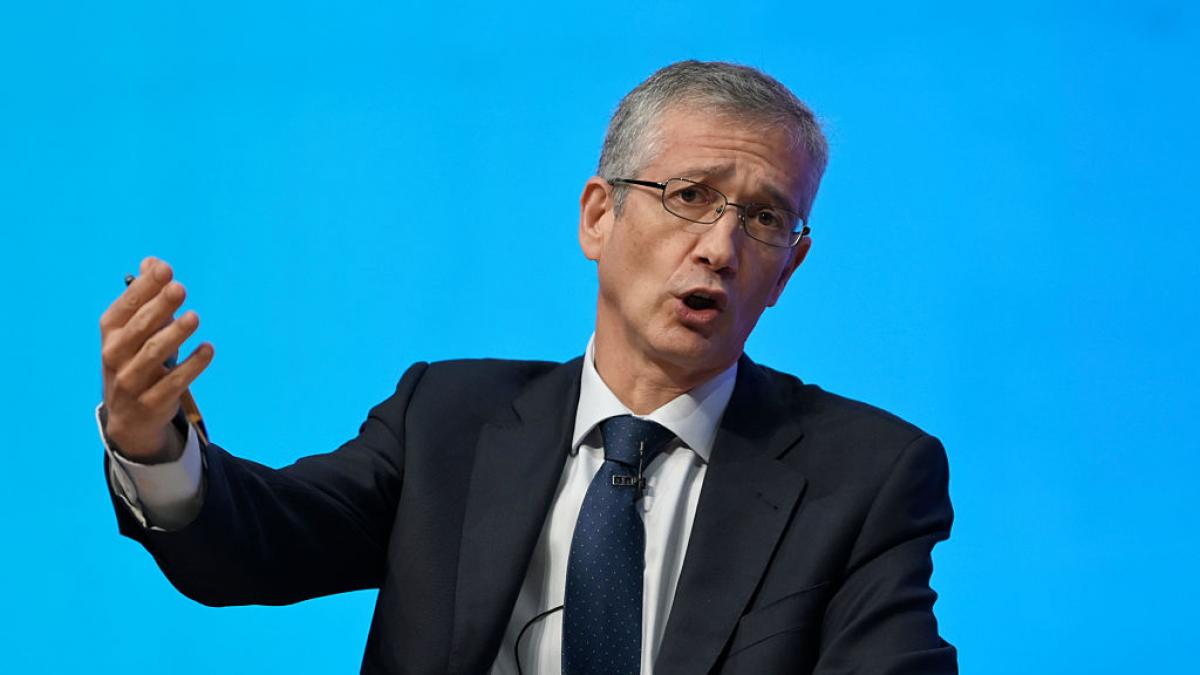
In the high-stakes theater of European politics, consensus is a rare and fragile currency. Yet, behind the closed doors of Brussels and Paris, a significant shift in the continent's economic architecture has been quietly brokered. European leaders have reached a political agreement that will fundamentally alter the leadership of the European Central Bank (ECB), the institution tasked with guarding the stability of the Eurozone. The centerpiece of this agreement is the appointment of Pablo Hernández de Cos as the new president of the ECB, a move that marks a historic milestone: he will be the first Spanish national to hold the most powerful economic office in Europe.

This is not merely a change in personnel; it is the result of a calculated, tripartite power-sharing arrangement designed to balance the competing interests of the Eurozone's most influential players. Under the terms of the deal, Spain has secured the presidency, while Germany and France have been allocated the remaining pillars of influence. Germany is set to take the position of chief economist, and France will assume the role overseeing market operations. It is a delicate equilibrium, a way to distribute the weight of economic stewardship across the continent's primary engines.
For the current occupant of the ECB presidency, Christine Lagarde, the transition marks the end of a significant chapter. The institutional machinery is already moving toward a scheduled handover. On February 7, Hernández de Cos will officially succeed Lagarde, stepping into a role that requires navigating the complex intersection of monetary policy and political pressure.
In a political landscape frequently defined by polarization, the Spanish government and the main opposition party have found common ground.
To understand the gravity of this moment, one must look at the institutional weight of the ECB. As the central bank for the Eurozone, its decisions on interest rates and monetary supply ripple through every economy from Lisbon to Berlin. For a Spanish economist to take the helm represents a shift in the traditional gravity of European economic leadership, moving the center of gravity slightly further south.
While European leadership often struggles with internal fractures, the path for Hernández de Cos has been smoothed by an unusual phenomenon within his own borders. In a political landscape frequently defined by polarization, the Spanish government and the main opposition party have found common ground. Both sides have extended their support to his candidacy, providing a unified front that is rarely seen in the lead-up to major political shifts.
This domestic solidarity provides Hernández de Cos with a unique form of political capital as he prepares to transition from national economic discourse to the global stage. The ability to command support across the aisle suggests that his technical expertise and perceived neutrality are viewed as assets that transcend the immediate partisan fray in Madrid.
However, this diplomatic triumph arrives amidst a period of intense domestic scrutiny in Spain. The appointment is set to unfold in the shadow of the Spanish general elections, scheduled for November 29. In the weeks leading up to that vote, the political atmosphere in Spain will likely be charged with debate over the nation's role in Europe and the implications of its rising influence within the ECB.
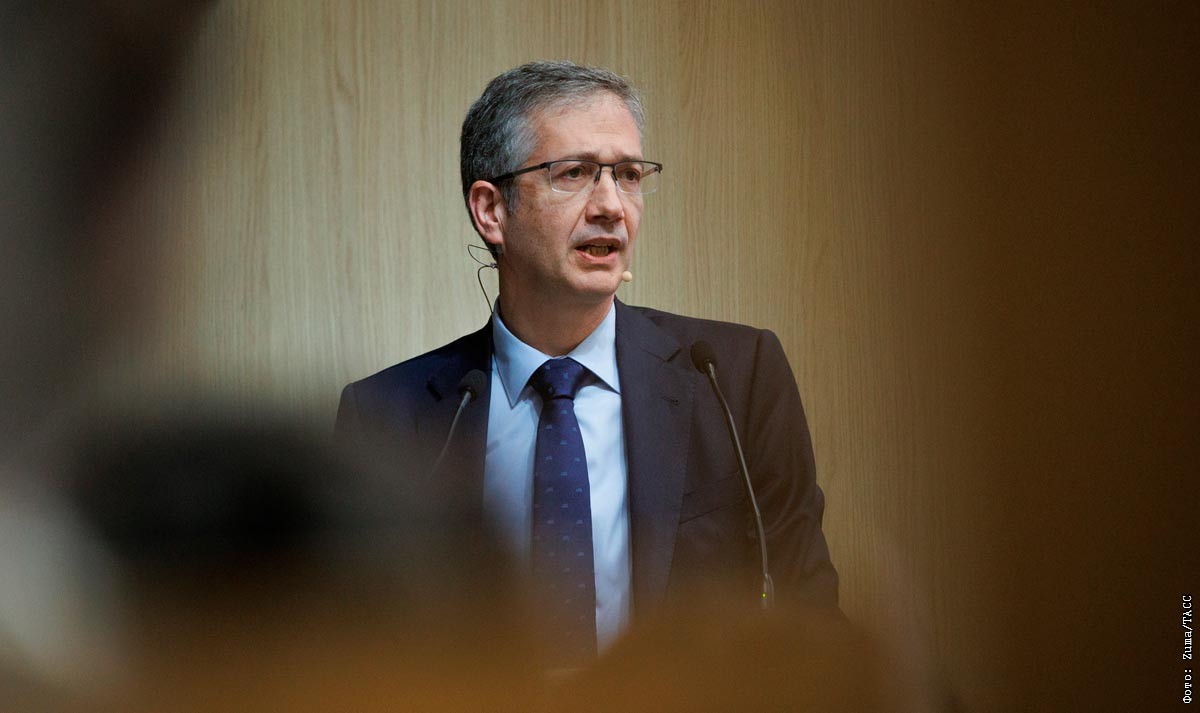
For the Spanish electorate, the appointment of a compatriot to such a prestigious role could serve as a point of national pride, but it also places the incoming president under a microscope. The timing ensures that the transition will be discussed not just in the halls of Frankfurt, but on the campaign trails of every Spanish province.
To view this appointment solely through the lens of Spanish success would be to miss the broader structural reality of the agreement. The deal is a map of European influence. By granting Germany the chief economist position and France the market operations role, the agreement acknowledges that the ECB cannot function as a monolith. It must be a coalition of expertise.
The chief economist is responsible for the analytical backbone of the bank, interpreting data to forecast trends, while the market operations role manages the actual implementation of monetary policy in the financial markets. By distributing these roles, the agreement ensures that the three largest economies in the Eurozone remain deeply embedded in the bank's decision-making processes, even as the presidency moves to Spain.
As the calendar turns toward February 7, the focus will shift to Frankfurt, the seat of the ECB. The transition from Lagarde to Hernández de Cos will be more than a change in nameplates; it will be a test of whether this new distribution of power can maintain the stability of the Eurozone.
While the agreement has successfully navigated the initial hurdles of political consensus, the true measure of this new era will be how effectively the Spanish presidency, the German economic analysis, and the French market management work in concert. For now, the continent has settled on a blueprint for leadership, one that seeks to balance the ambitions of individual nations with the collective necessity of a stable European economy.