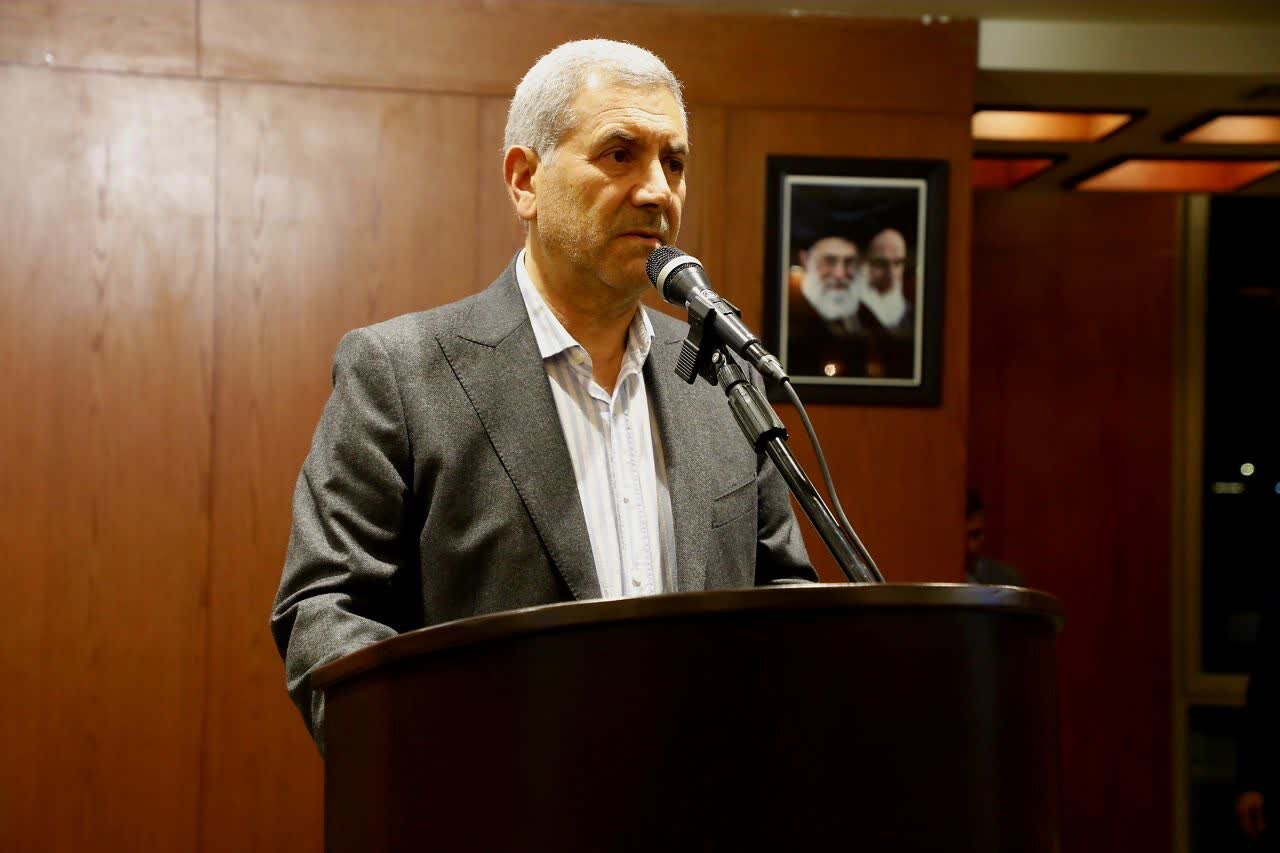
In the sprawling province of Fars, home to more than 5 million people, the roads have become a site of quiet, persistent tragedy. The scale of the loss became starkly clear on Wednesday at the 5th National Trauma Congress in Shiraz, where the head of Shiraz University of Medical Sciences, Seyed Basir Hashemi, laid out a sobering reality for the region. In the first six months of the current year alone, 800 people have lost their lives in road accidents. This figure, while clinical in its delivery, represents a profound disruption to families and communities across the province, marking a period of intense trauma that has left the local healthcare infrastructure reeling.
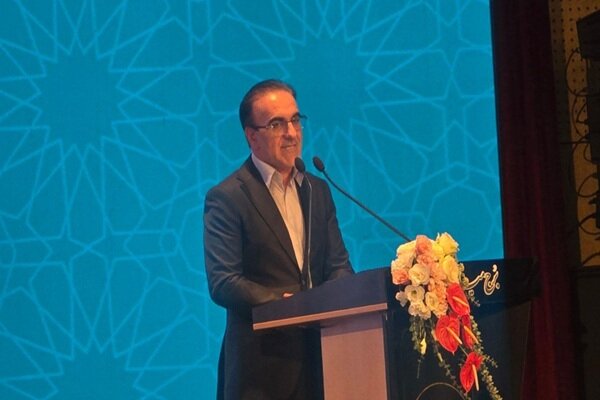
Beyond the 800 fatalities, the sheer volume of non-fatal accidents paints a picture of a system under immense pressure. Nearly 10,000 individuals were injured in driving incidents during the same six-month window. These are not merely statistics; they represent a massive influx of patients requiring urgent, often complex, medical intervention. For the hospitals in Shiraz, this means a continuous, grueling cycle of emergency care, as the city serves as a central hub for trauma management in the region.
When analyzing why these roads have become so dangerous, Seyed Basir Hashemi points to a combination of systemic and individual failures. He notes that approximately 50 percent of these accidents are directly attributable to human error. In his view, the path toward a safer future lies in a fundamental shift in behavior. "About 50 percent of accidents are caused by human error, and culture and education play an important role in reducing these accidents," Hashemi stated. While he acknowledges that environmental conditions and the technical state of vehicles are contributing factors, he emphasizes that the human element—the decisions made behind the wheel—remains the most significant variable that can be addressed through societal change.
In a region already grappling with a declining population growth rate, the loss of these lives is not just a tragedy; it is a long-term economic and social threat.
Perhaps the most alarming aspect of this crisis is the demographic toll. Hashemi highlighted that a significant portion of those killed or disabled in these accidents are young people—the very individuals who constitute the province’s most productive workforce. In a region already grappling with a declining population growth rate, the loss of these lives is not just a tragedy; it is a long-term economic and social threat. "Road fatalities and disabilities from traffic accidents are a serious warning for the future of the country's population," Hashemi warned, framing the road safety issue as a critical pillar of national stability.
Shiraz’s hospitals are not just serving the 5 million residents of Fars; they are operating as a lifeline for a much larger geographic area. According to Hashemi, 30 percent of the patients treated in various sections of the city’s hospitals arrive from other provinces. This influx creates a heavy, constant burden on medical staff who are already stretched thin by the high volume of local trauma cases. The city’s medical facilities are effectively acting as a regional safety net, yet the strain of this responsibility is becoming increasingly difficult to manage.
As the pressure on the healthcare system mounts, the temptation for policymakers might be to simply increase the number of hospital beds. However, Hashemi argues that this is a superficial solution to a deeper, more complex problem. He contends that merely expanding capacity is insufficient. Instead, he advocates for a radical improvement in patient management and more robust inter-hospital coordination. The goal is to create a more efficient, responsive system that can handle the surge of trauma cases without breaking under the weight of demand. For now, the province remains at a crossroads, balancing the urgent need for immediate medical care with the long-term imperative of making its roads safer for the generations to come.