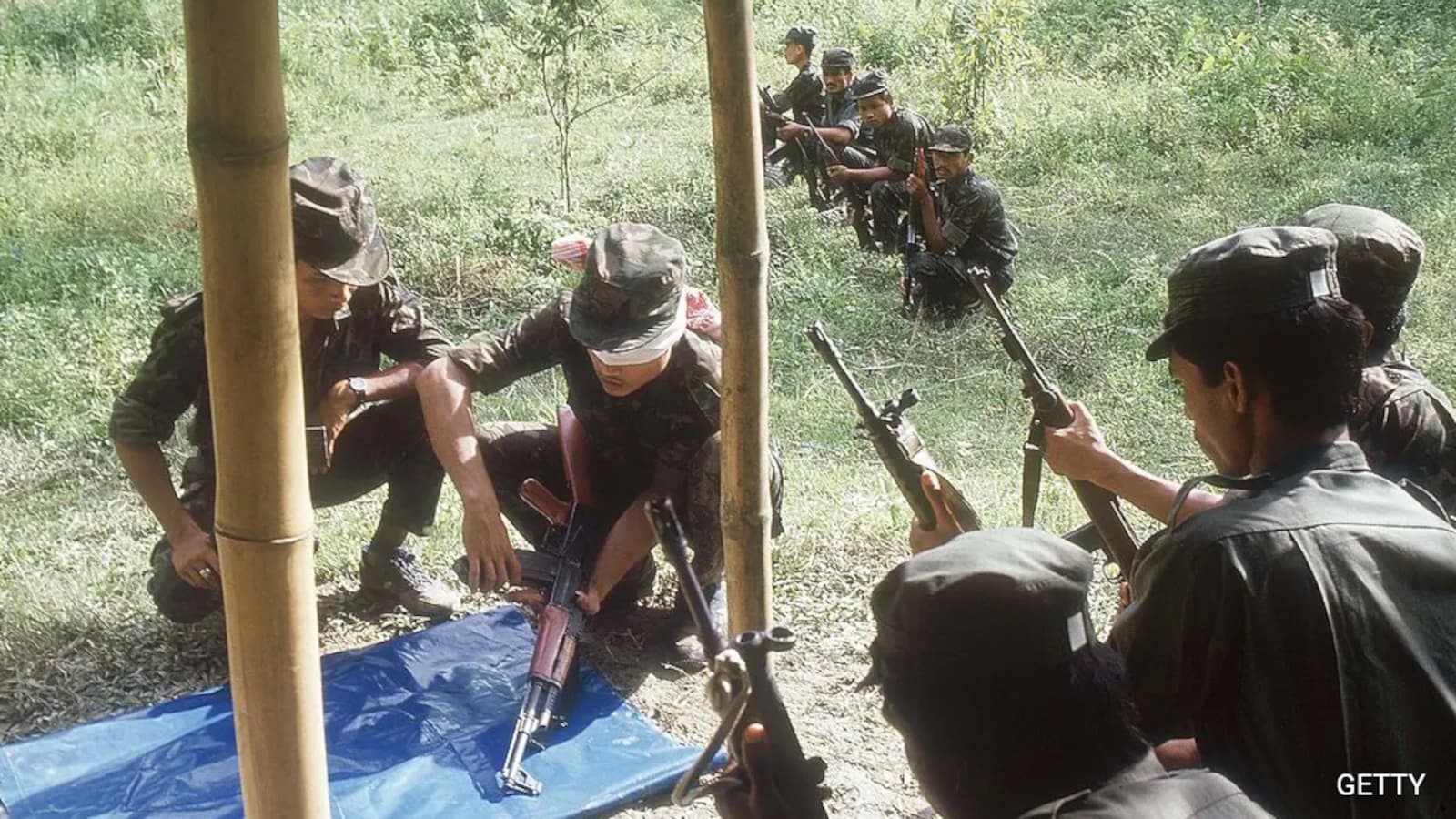
Imagine standing on the muddy banks of Majuli island, the largest river island in the world, in the middle of a protest. The air is thick with the smell of silt and diesel. This is where, in 1997, Sanjoy Ghose, a social activist fighting against sand mining, was snatched from the crowd. He was not just a protester; he was a voice for a community worried about its land dissolving into the Brahmaputra River. The ULFA militants responsible for the abduction made their presence known in the most brutal way possible: they killed him. As one account from the ULFA side details, on the day of the abduction, Ghose had died, and his body was thrown into the Brahmaputra. In the landscape of the 1990s Assam insurgency, this was not an anomaly. It was the signature of a movement that had terrorized the state for years, but for the families of Majuli, it was a personal tragedy that refused to end.

In the years following the murder, the case drifted into the fog of political inaction. It was a story of a body that was never found, of a man whose name became a whisper rather than a shout. However, the silence was eventually broken by Arundhati Ghose, a relative of the victim. In a move that shattered the local containment of the case, she took the issue to the United Nations. This was a significant pivot. By raising the plight of Sanjoy Ghose on the world stage, the family of the victim forced the international community to look at the human rights crisis in Assam. The act of going to the UN transformed a local crime into a symbol of the state's failure to protect its citizens, putting pressure on institutions that had previously turned a blind eye.
Time moved on, and the legal machinery ground to a halt for a long period. It was not until 2011 that Assam police finally arrested Fateh, a former ULFA cadre who had been on the run. This arrest was a significant checkpoint in the years-long pursuit of justice. Yet, the legal process in the region was often unpredictable. Just a year later, in 2012, the Guwahati High Court granted Fateh bail. For the families of the victims and the activists who had fought for Ghose, this was a bitter setback. It felt like the state was letting the murderer walk free again, a reminder of how often the justice system in conflict-affected areas bends under pressure or procedural delays.
The finding of guilt was not just a legal technicality; it was a moral acknowledgment that the acts committed in 1997 were crimes against humanity and the state.
While Fateh was out on bail, the case did not die; it simply moved into a long, quiet phase of investigation. The Central Bureau of Investigation (CBI), the country’s premier anti-corruption and special investigation agency, took the reins. Unlike local police forces, the CBI operates at a national level and is often brought in when high-profile cases require a neutral hand to prevent local interference. Their involvement signaled that the central government was now prioritizing this case, viewing it not just as a local dispute but as a test of the rule of law in the northeast.
On November 20, 2023, the legal narrative shifted decisively. After years of proceedings, Fateh was found guilty. This verdict was the culmination of a long battle between the prosecution and the defense. The finding of guilt was not just a legal technicality; it was a moral acknowledgment that the acts committed in 1997 were crimes against humanity and the state. The court’s decision validated the years of struggle by Arundhati Ghose and other relatives who had kept the case alive through their own activism and legal perseverance.
On the Saturday following the verdict’s announcement, the CBI special court in Guwahati pronounced the sentence: life imprisonment. The sentence was a finality that the family of Sanjoy Ghose had waited for nearly three decades. It was a moment that closed a chapter in the history of the ULFA insurgency, showing that even after years of silence, the state could deliver a judgment. The courtroom, usually a place of procedural tedium, became a space of profound relief for a community that had long felt abandoned by the system.
The sentencing of Fateh is more than just a legal outcome for one man. It represents a delayed but tangible victory for the rule of law in Assam. For a region that has lived under the shadow of insurgency for decades, seeing a life sentence handed down for a 1997 murder sends a message that the state is capable of prosecuting its past. It acknowledges that the victims of that era deserve more than just memory; they deserve accountability. As the new century unfolds, this case stands as a landmark, proving that even the oldest wounds can, eventually, be addressed by a functioning justice system.
Today, the river still flows, carrying the silt of Majuli and the memory of Sanjoy Ghose. The case may be closed in the courtrooms of Guwahati, but the social impact of the 1990s continues to shape the politics of the northeast. The journey from a murder on an island to a life sentence in a special court illustrates the long, winding path of justice. It is a story of resilience, of a family that refused to let the world forget, and of a state that finally caught up with its own history.