
On November 9, the machinery of the French state collided with the political headquarters of the National Rally (RN). As police officers conducted a search of the party’s offices, they encountered an unexpected figure: Christian de Rocquigny, a deputy prosecutor from the Paris prosecutor's office. His presence in such a sensitive location, during an active investigation into the alleged leaking of confidential Interior Ministry documents to the far-right party, immediately raised alarms. The search was part of a broader, high-stakes probe into whether state officials had been funneling sensitive information regarding ongoing cases to the RN. Among those under scrutiny in this wider web of allegations is former Interior Ministry official Hugues Moutouh, who is suspected of transmitting protected details to the party.
When confronted with the implications of his presence, de Rocquigny offered a seemingly mundane explanation. He maintained that his visit was entirely private and coincidental, claiming he was simply there to share a coffee with an acquaintance, European MP Jean-Paul Garraud. To the magistrate, the encounter was a personal matter, independent of his professional duties. Yet, the optics of a high-ranking judicial official appearing at the headquarters of a political party currently under investigation for compromising state secrets proved impossible to ignore.
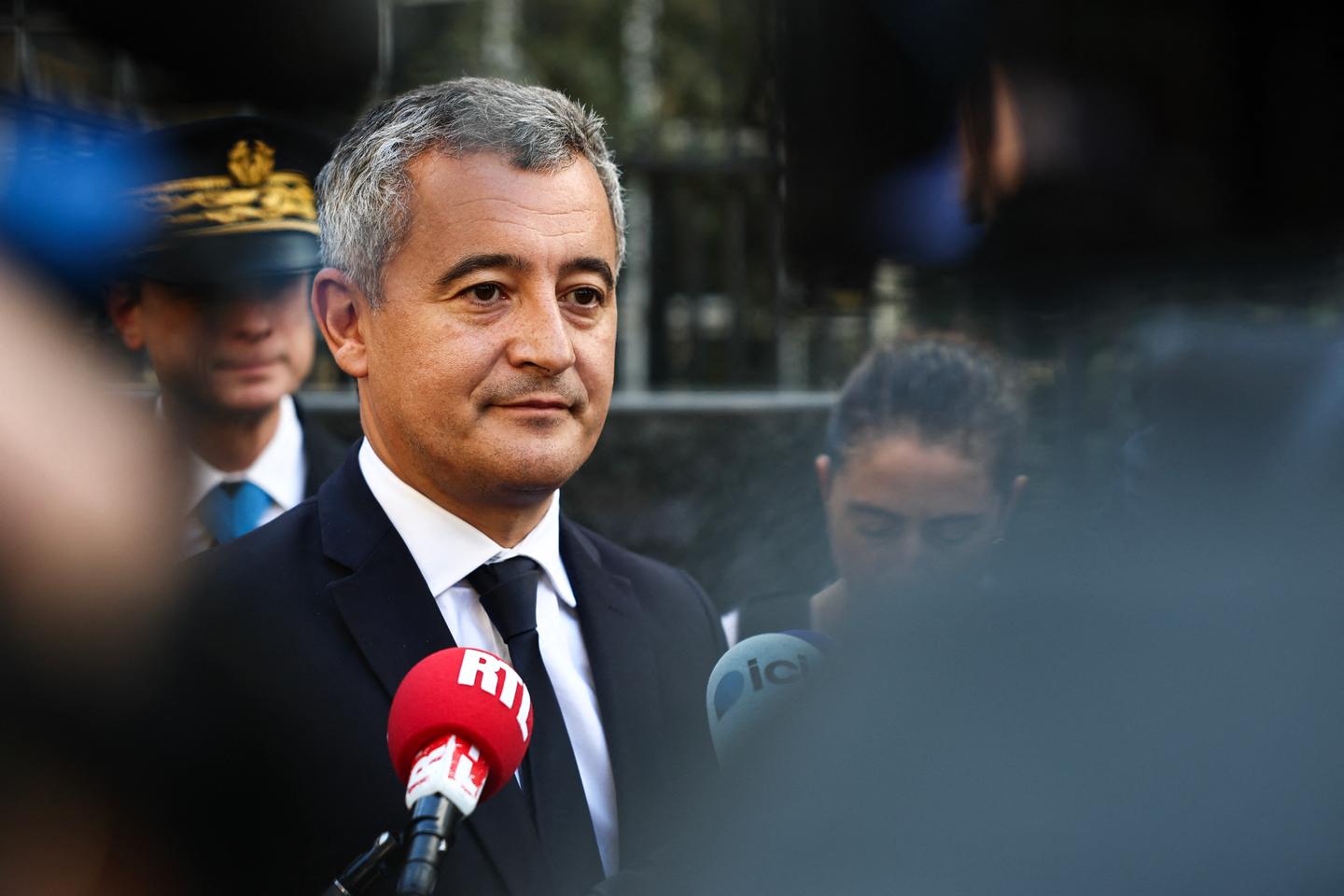
Gérald Darmanin, the French Minister of Justice, did not view the incident through the lens of a casual social call. Speaking on France Inter, Darmanin expressed deep concern over the implications of the deputy prosecutor’s conduct. He noted that de Rocquigny was not on leave at the time and had failed to inform his superiors of his whereabouts, a lapse the Minister characterized as a clear "lack of loyalty" toward the Ministry of Justice. For Darmanin, the issue transcends a simple breach of protocol; it touches upon the integrity of the judicial system itself.
For Darmanin, the issue transcends a simple breach of protocol; it touches upon the integrity of the judicial system itself.
In response to the discovery, Darmanin announced that he had referred the matter to the General Inspection of Justice to launch an administrative inquiry. The Minister’s objective is to determine whether this incident reflects a deeper rot within the ranks of the civil service. "We must lift an ambiguity: are high-ranking officials giving information to the National Rally?" Darmanin asked. He emphasized that if the inquiry reveals that officials have been compromising their positions to aid a political party, it would represent a grave betrayal. "It would obviously be a crime against their function and the high idea they have of their independence," he stated.
The timing of this controversy adds a layer of political urgency that cannot be overlooked. With the first round of the presidential election less than 150 days away, the French public is hyper-sensitive to any suggestion that the state apparatus is being manipulated or compromised. The inquiry into de Rocquigny’s actions is not merely an internal disciplinary matter; it is a test of the government's ability to maintain the appearance and reality of neutrality in an increasingly polarized climate. As the General Inspection of Justice begins its work, the findings will likely serve as a barometer for public trust in the institutions tasked with upholding the law, at a moment when the stakes for the nation’s democratic health have never felt higher.