
In the rugged, densely forested terrain of the Kishtwar district in Jammu and Kashmir, the silence of the woods is rarely absolute. But on a recent Wednesday, that silence was shattered by the sharp crack of gunfire, marking the beginning of a grim sequence of events that has left the local security apparatus on high alert. Two Special Police Officers (SPOs), Rishi Pal Singh and Bobby Chand, vanished into the thickets of the Deharna-Dachan forest area, leaving behind only the echoes of a struggle.
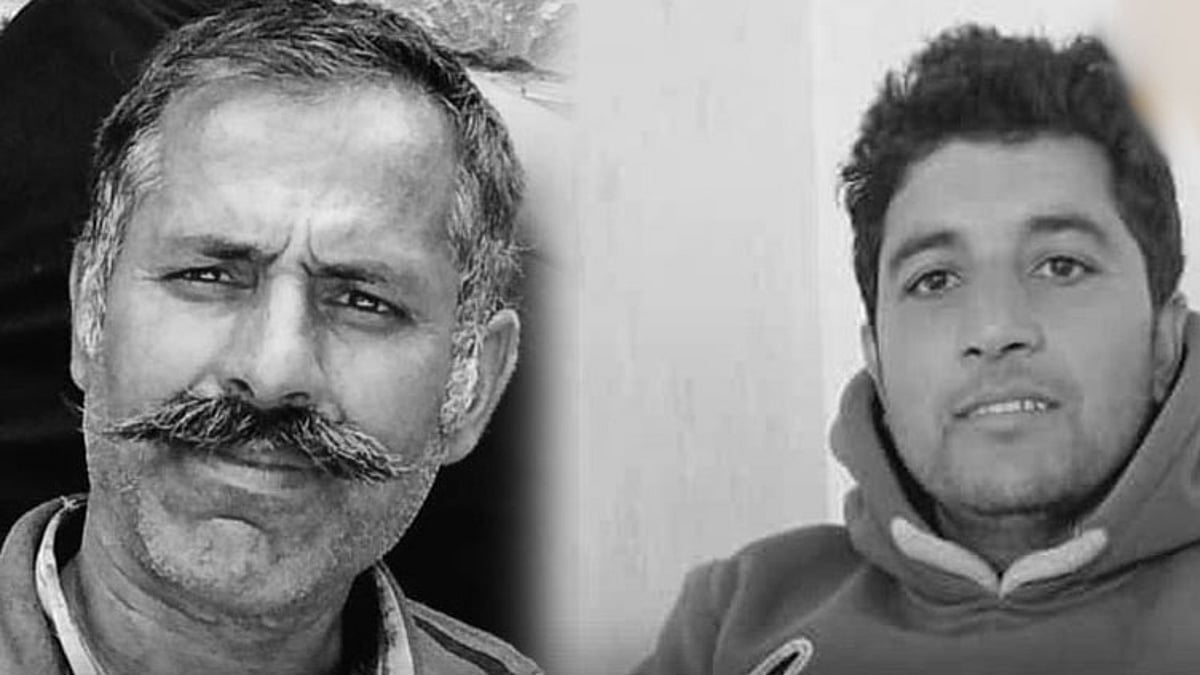
At the time of their disappearance, the officers were engaged in a routine but vital task. They were reportedly on their way to assist a team from the 17 Rashtriya Rifles, an army unit tasked with maintaining stability in the region. In these high-altitude, heavily wooded sectors, the coordination between local police and army units is a constant necessity, a logistical dance performed amidst terrain that is as unforgiving as it is strategically sensitive.
For a period of time, the mission shifted from a patrol to a frantic search. The disappearance of Singh and Chand triggered an immediate response from security forces, who moved into the Dharna Top forest area to locate the missing men. As the search progressed, the hope of a safe recovery gave way to a devastating reality. The officers were found dead, their bodies bearing the unmistakable and violent marks of multiple gunshot wounds.
Security forces now suspect that the attack may have been a calculated attempt to loot weapons.
Among those identified was 45-year-old Rishi Pal Singh and 57-year-old Bobby Chand. The discovery of the bodies, riddled with bullets, transformed a missing persons case into a high-stakes investigation into a targeted killing.

#WATCH | Rajouri: Jammu and Kashmir Deputy CM Surinder Choudhary says, "Yesterday, there was a terrorist attack in Kulgam, and our security personnel were injured there. Today, there was another attack there, and our security personnel were martyred there again. We are saddened by this. Even after 80 years of independence, Jammu and Kashmir has suffered a great deal of damage... We suffered the greatest loss on August 5, 2019, when our state's status was stripped away. Has any militancy or corruption stopped since 2019? The BJP people only wanted to fulfil their own agenda..."
As investigators moved through the site of the tragedy, they realized the motive for the ambush might extend beyond simple violence. The officers' service weapons—specifically their AK-47 rifles—along with their ammunition, were missing. This detail has fundamentally altered the profile of the incident. In the calculus of regional insurgency, the theft of modern automatic weaponry is a significant escalation.
Security forces now suspect that the attack may have been a calculated attempt to loot weapons. For militant groups, acquiring standardized military-grade hardware like the AK-47 is a primary objective, as these tools allow for greater mobility and lethality in future engagements. The loss of these weapons adds a layer of tactical urgency to the hunt for the perpetrators, as the stolen arms are now potentially circulating in the hands of those who orchestrated the ambush.
While the physical evidence at the scene points toward a violent encounter, the identity of the attackers remains a matter of intense scrutiny. Investigative agencies are currently working under the suspicion that at least three terrorists were involved in the ambush. The profile of the attackers is particularly concerning to intelligence officials, who believe the group may have included at least two foreign militants.

There is a growing focus on the potential involvement of the Lashkar-e-Taiba network. This group is a known entity in the region’s security landscape, and investigators are looking for specific signatures in the execution of the attack that might link it to their operations. The complexity of the terrain and the precision of the ambush suggest a level of planning and familiarity with the forest corridors that points toward a disciplined cell.

UPDATE: The bodies of two missing Special Operations Group personnel have been recovered with bullet injuries from the forests of Kishtwar in Jammu and Kashmir.
The response to the killings has been massive and multi-dimensional. To navigate the dense canopy and the difficult topography of the Deharna-Dachan area, security forces have deployed a sophisticated array of tools. Drones are being used to provide an aerial perspective of the forest floor, attempting to spot movement or discarded equipment that might be invisible from the ground.
Complementing the technological approach is the traditional method of tracking. Sniffer dogs have been deployed to follow the scent of the fleeing attackers, attempting to trace their path through the wilderness. This combination of high-tech surveillance and biological tracking represents a concentrated effort to close the net on the suspects before they can disappear into the deeper reaches of the mountains.
In the wake of the deaths, the atmosphere in Kishtwar has shifted toward heightened vigilance. Security has been significantly tightened across the region as authorities attempt to prevent further incursions or retaliatory strikes. The investigation is not merely a field operation but a forensic and digital one as well; police are currently reviewing CCTV footage from surrounding areas and conducting interrogations of various suspects to build a clearer picture of the conspiracy.
As the search continues, the focus remains on two fronts: the recovery of the stolen AK-47s and the apprehension of the suspected militants. For the community and the security forces, the events serve as a stark reminder of the volatile nature of the forest patrols, where a routine assignment can rapidly descend into a fight for survival.