
In a significant move to combat air pollution, the Indian government has overhauled the renewal system for Pollution Under Control (PUC) certificates. Effective November 13, 2026, the Ministry of Road Transport and Highways (MoRTH) introduced revised regulations that create a tiered approach to PUC certificate validity periods. These changes, issued under the Motor Vehicles Act, 1988, apply nationwide and aim to reduce emissions from older, more polluting vehicles while providing relief to owners of newer vehicles.
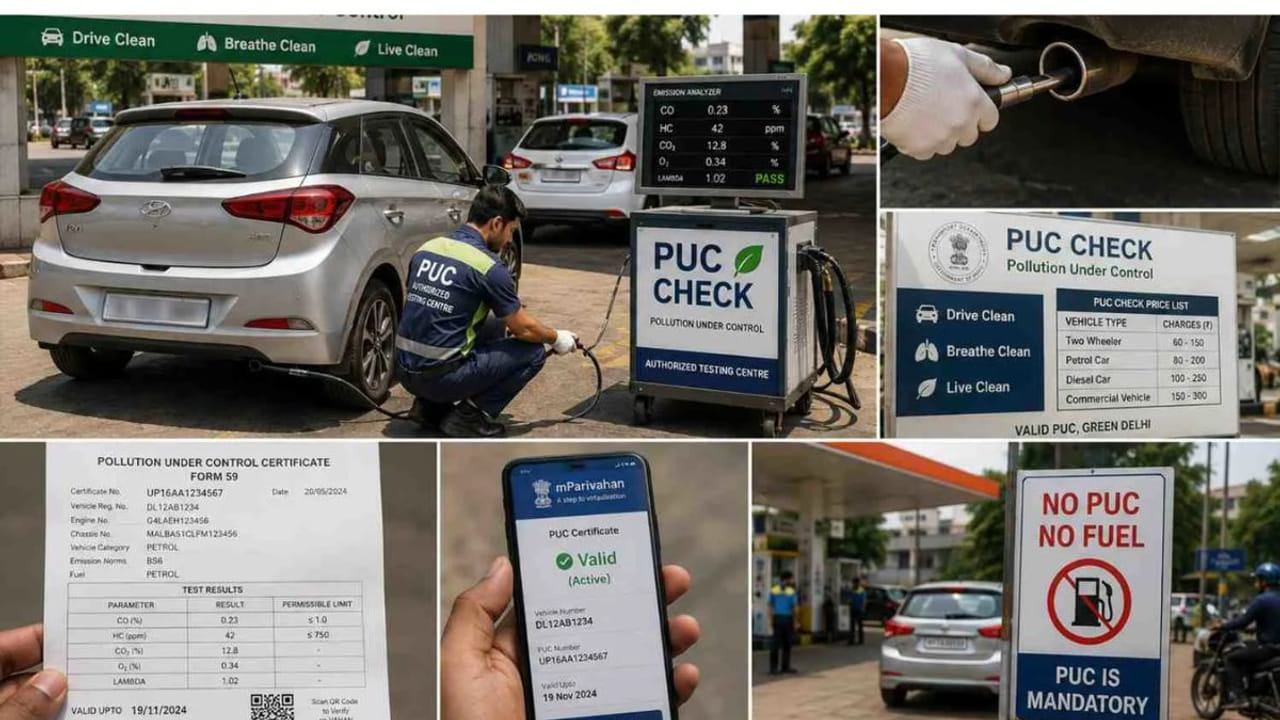
The new regulations establish distinct validity periods based on vehicle age, emission standards, and usage category. Private vehicles compliant with BS-VI standards up to six years old will now enjoy a three-year validity for their PUC certificates. This represents a significant reduction in administrative burden for owners of newer, cleaner vehicles. For BS-VI vehicles between six and ten years old, the validity period is one year, while those over ten years must renew every six months.

Centre revises PUC validity of up to 3 years for BS-VI passenger vehicles https://t.co/31UDdaWhDB
The most stringent requirements apply to vehicles with older emission standards. Vehicles meeting BS-I, BS-II, and BS-III standards will have a PUC validity of only three months, requiring quarterly renewals. BS-IV vehicles face a six-month validity period. These stricter schedules target vehicles that contribute more significantly to air pollution, ensuring more frequent monitoring of their emissions.
The new rules took effect immediately upon publication in the Gazette, meaning vehicle owners must comply with the new validity periods moving forward.
Commercial transport vehicles operate under different rules under the new regulations. BS-VI compliant transport vehicles will have a two-year validity period, while those with older standards will face the same tiered requirements as private vehicles based on their age and emission standards. This distinction recognizes the different usage patterns and typically higher mileage accumulated by commercial vehicles.

MoRTH has notified new PUC validity norms. https://t.co/Zy4VtPQ2CD
The new rules took effect immediately upon publication in the Gazette, meaning vehicle owners must comply with the new validity periods moving forward. The government has clarified that renewals applied for within 10 days before expiry maintain the previous end date, providing a brief transition period for vehicle owners. Vehicle owners are advised to check their specific category and manufacture year to understand their new renewal requirements.
These changes represent a strategic approach to environmental regulation by the Indian government. By providing longer validity periods for newer, cleaner vehicles, the government encourages the adoption of more advanced emission technologies. Simultaneously, the shorter renewal periods for older vehicles aim to reduce their environmental impact by ensuring more frequent emissions checks. This tiered system acknowledges both technological progress and the ongoing challenge of managing pollution from older vehicles still in use.

Vehicle pollution certificate validity period extended https://t.co/oNiW7INudo #PUC #PUCCertificate #PUCRules #VehiclePollution #BS6Vehicles #BS4Vehicles #BS3Vehicles #BS2Vehicles #BS1Vehicles #PUCValidity #VehicleOwners #TransportRules #RoadTransport https://t.co/6Jk7kd81hd
The implementation of these new PUC certificate validity periods marks a significant step in India's ongoing efforts to improve air quality. By differentiating requirements based on vehicle age and emission standards, the government aims to create a more effective emissions control system. As vehicle owners adapt to these new requirements, the long-term impact on air quality and public health will become increasingly apparent in the coming years.
