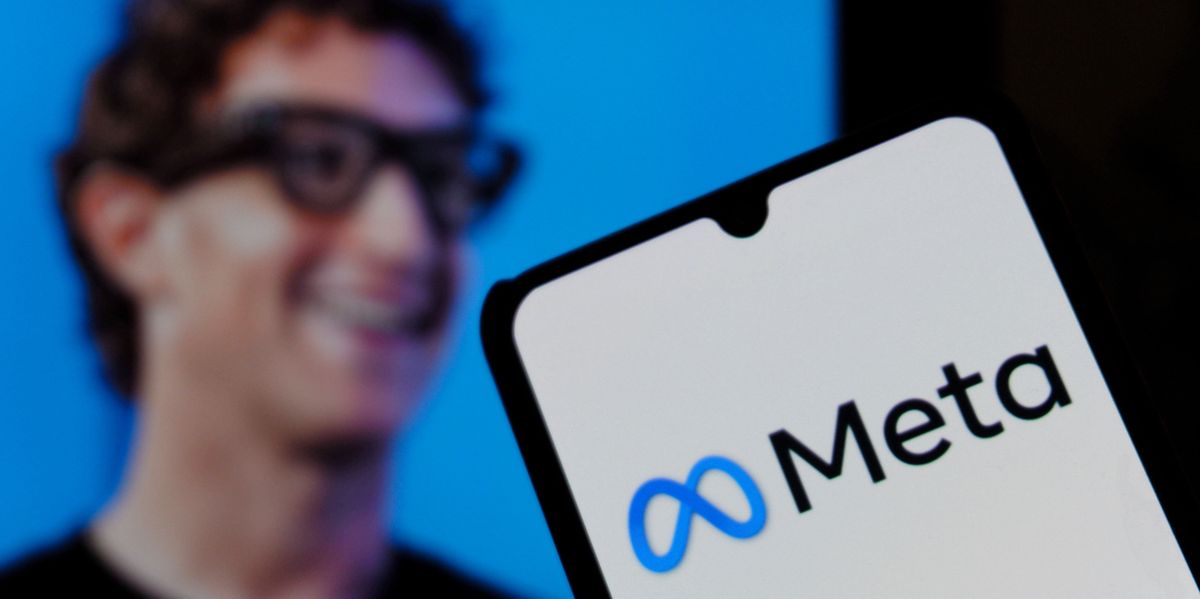
For the average user, the smartphone gallery is a digital sanctuary—a private repository of family vacations, candid moments, and personal milestones. It is a space that exists between the user and their device, largely untouched by the sprawling ecosystems of social media. But in early 2023, a new feature on Facebook began to blur the line between the platform and the private life stored within those folders. Known as 'Get suggestions from gallery,' the tool was designed with a seemingly helpful intent: it would scan a user's phone to propose photos and videos as potential publication ideas, attempting to nudge the user toward more frequent sharing.

Yet, what Meta framed as a tool for engagement, regulators saw as a profound breach of digital boundaries. The mechanism did more than just suggest content; it reached into the deeply personal architecture of the user's device, pulling at threads of data that many users believed were kept strictly private.
At the heart of the legal storm is not just the act of accessing data, but the manner in which that access was granted. In the complex world of data privacy, there is a vital distinction between general agreement and 'specific' consent. The former is a broad handshake; the latter is a clear, informed permission for a specific action.
On February 3, 2024, the theoretical debate over digital boundaries transformed into a massive financial reality.
The Italian data protection authority took aim at this distinction, arguing that Meta’s approach failed to meet the rigorous standards required by modern privacy regulations. The regulator found that the platform was tapping into the visual history of its users without the necessary level of explicit authorization. This wasn't merely a technical oversight; it was a fundamental failure to ensure that users knew exactly what they were agreeing to when they engaged with the platform.

The Italian Data Protection Authority fined Meta €805 million ($887 million) for accessing photos and videos of Android users’ galleries without their explicit consent.= https://t.co/dtHhNHWJRl
To understand the gravity of the authority's finding, one must look beyond the images themselves. When a platform accesses a photo, it isn't just seeing a picture of a sunset or a birthday cake. It is also ingesting metadata—the hidden digital fingerprints attached to every file. This data can include timestamps, locations, and technical specifications that, when aggregated, paint a startlingly detailed picture of a person's habits, movements, and life patterns.
The Italian data protection authority was blunt in its assessment of the situation. The agency stated that Meta accessed photographs, videos, and associated metadata of Italian users 'without having obtained specific consent and without duly informing them.' By bypassing this informed step, the platform effectively bypassed the user's agency over their own digital footprint.
On February 3, 2024, the theoretical debate over digital boundaries transformed into a massive financial reality. The Italian authorities issued a staggering fine of €805 million against Meta. The scale of the penalty reflects the perceived severity of the infringement, signaling that the era of treating user data as a free-roaming resource may be coming to an end.
This figure does not exist in a vacuum. It sits within a broader landscape of massive regulatory penalties aimed at the world's largest tech entities. For instance, in 2021, Amazon was hit with a fine exceeding €1.1 billion for breaches related to competition law. While Meta faces its own legal hurdles, the sheer magnitude of the €805 million fine underscores a growing global trend: regulators are no longer issuing mere slaps on the wrist; they are deploying financial levers designed to impact the bottom line of the world's most powerful companies.

🇮🇹🇺🇸 In Italy, Meta was fined €887 million: Facebook had access to the photo galleries and videos of Android users without their consent. https://t.co/Qsx19pQTGs
Meta has not accepted this verdict quietly. The company has signaled its intent to appeal the decision, framing the regulatory crackdown not as a protection of privacy, but as an impediment to the very nature of social interaction. In its defense, Meta has characterized the massive fine as a 'tax' on freedom of expression.
The company's stance suggests a fundamental disagreement with the regulators' philosophy. Where the Italian authority sees a necessary defense of individual autonomy, Meta sees a regulatory environment that penalizes the very features that allow users to share their lives more easily. This tension—between the right to be left alone and the desire to connect through technology—is the central conflict of the modern digital age.
As the legal battles over the Facebook gallery feature unfold, the broader implications for data governance continue to ripple outward. The scrutiny on Meta is part of a much larger, more volatile history of data-related litigation. The stakes are illustrated by the massive figures seen in other jurisdictions, such as the €805 million fine in Italy for data misuse, a figure that serves as a warning to platforms.
For now, the situation in Italy remains a pivotal moment in the struggle for digital sovereignty. The €805 million fine serves as a landmark, a warning to platforms that the contents of a user's phone gallery are not merely data points to be harvested, but private lives that require explicit, informed, and uncoerced permission to enter.

JUST IN: Meta, $META, fined €805,000,000 after Facebook accessed photos on 20 MILLION Android phones without consent. The Facebook app for Android had access to photos, videos and their metadata in the phone’s gallery. A feature live since 2023 suggested pictures from your gallery as posting ideas while you browsed. Meta has 60 days to turn it off by default, including for people who already said yes. The fine works out to about 0.47% of Meta’s worldwide turnover.