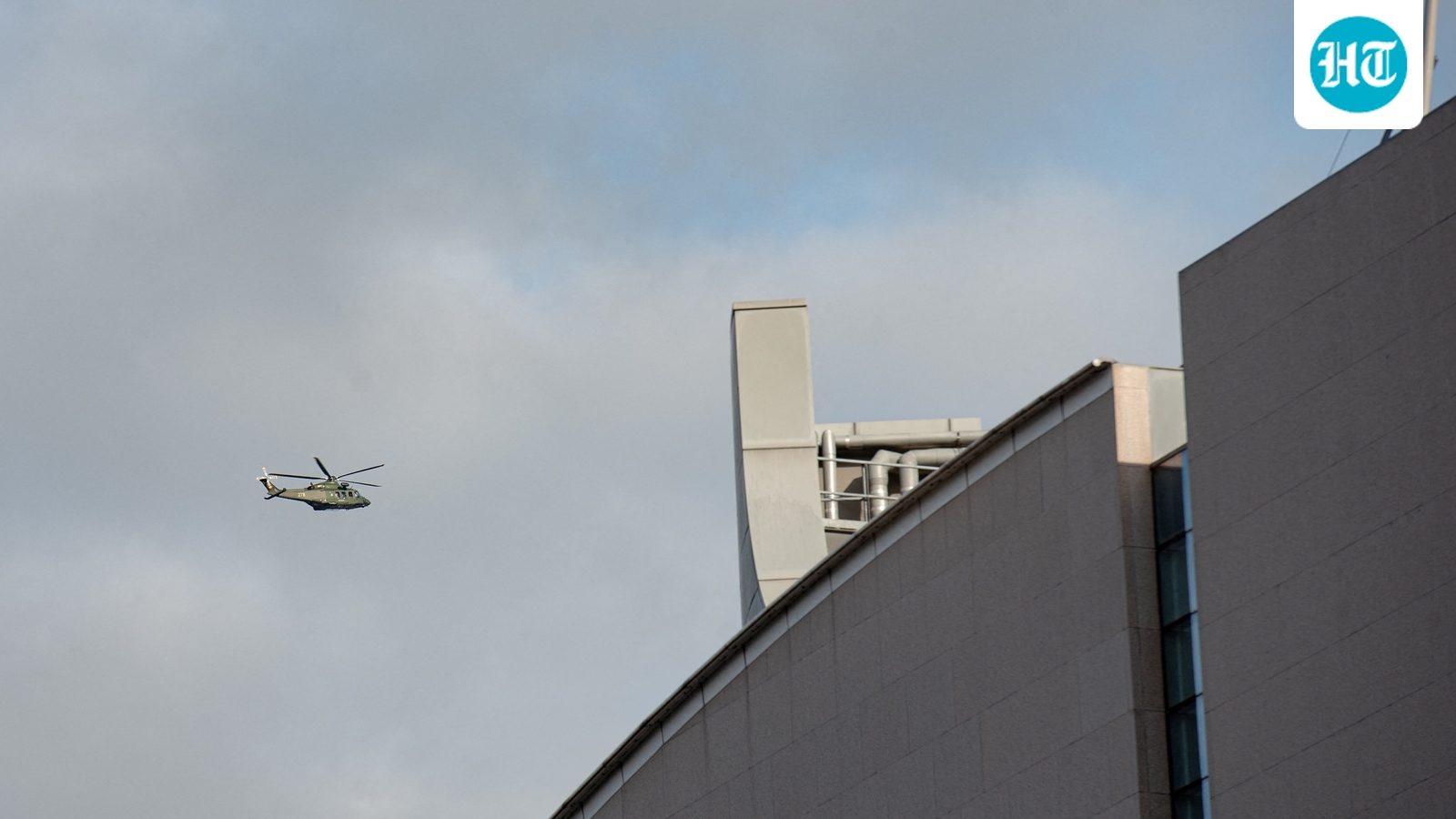
The afternoon sky over Malatya, a city nestled in the southeastern part of Turkey, was likely clear and bright on November 12, 2026. It is a place where life moves with a particular rhythm, where the bustling southern outskirts serve as a buffer between the urban core and the sprawling countryside. That tranquility was shattered early in the afternoon when a military helicopter plunged into the 'Saman Kuyu' neighborhood. For the residents of this area, the event must have arrived not as a distant news item, but as a sudden, deafening reality. The crash of the aircraft, identified as an S-70 model, resulted in the immediate deaths of four military personnel. In the context of global aviation, the loss of four lives is a tragic statistic; in the context of a single neighborhood on a weekday afternoon, it is a community shattering under the weight of a fallen machine. The Turkish Ministry of Defense confirmed the incident shortly after, marking the beginning of a formal inquiry that would have to answer the difficult question of why a jet capable of hovering and maneuvering so precisely met the ground so abruptly.
The S-70 is not a new name in military aviation. It is a lineage of utility helicopters, known for their ruggedness and their ability to operate in adverse weather conditions. For a country like Turkey, which maintains a diverse fleet of air assets to secure its borders and respond to internal emergencies, these aircraft are the workhorses of the sky. They are designed to withstand significant stress, from high winds to rough terrain. Yet, even the most robust machinery is subject to the laws of physics and the unpredictability of mechanical failure. The fact that the S-70 model was involved here adds a layer of complexity to the investigation. Was it a mechanical defect? A pilot error? Or perhaps a sudden shift in weather that overwhelmed the crew? The Turkish authorities have not announced the cause, leaving the public suspended in a state of anxious speculation. In the absence of an official explanation, the silence of the wreckage speaks louder than any press release, a stark monument to the four men who were never given the chance to walk away.
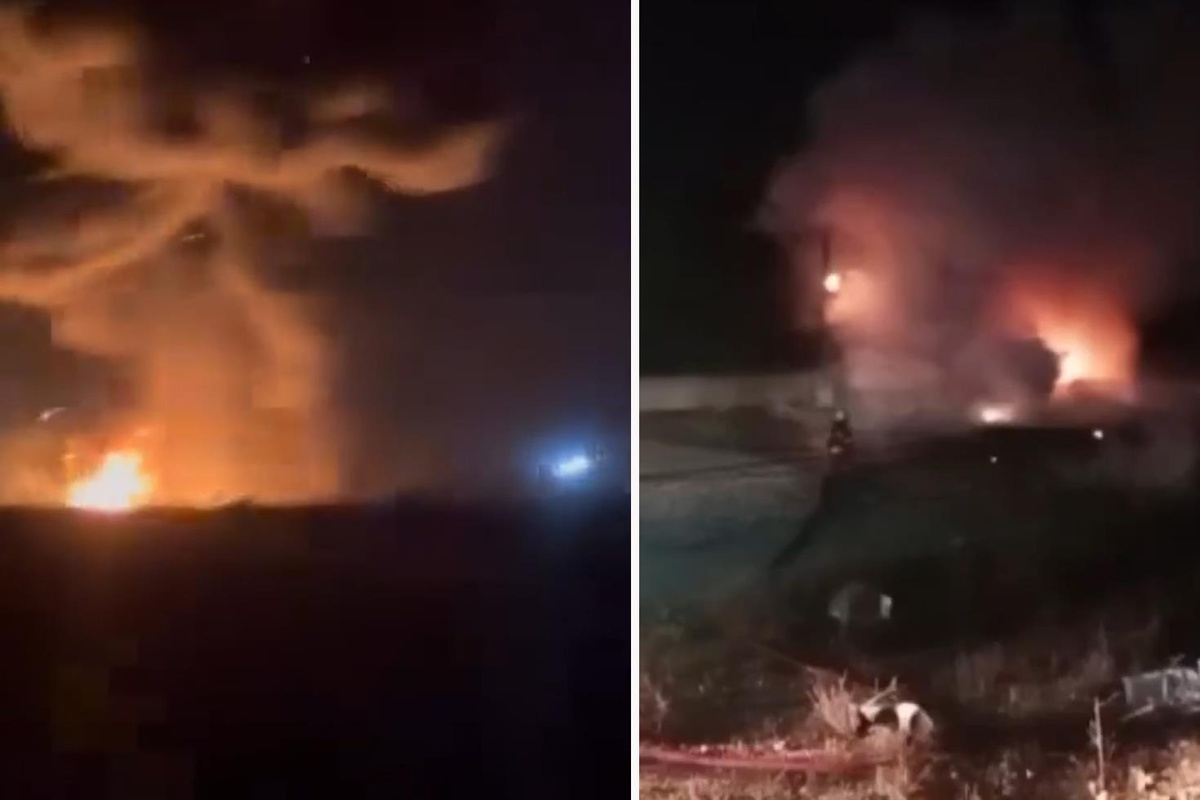
The immediate aftermath in the 'Saman Kuyu' neighborhood was one of coordinated urgency. As reports reached the emergency services, several fire teams were dispatched to the scene. This is a standard protocol, but the scale of the response in this case suggests the severity of the impact. Visuals distributed by local media painted a picture of controlled chaos. Ambulances stood by, their lights flashing against the afternoon sun, though the primary task at hand was no longer one of rescue but of recovery. Police vehicles cordoned off the perimeter, ensuring that the public could witness the reality of the disaster without interfering with the work of the investigators. Fire trucks formed a line, their crews working to extinguish the flames that were still rising from the twisted metal. The juxtaposition of these civilian emergency services with the military origin of the crash created a surreal scene, where the boundaries between the public and the state blurred in the face of shared grief.
This secondary hazard complicates recovery efforts and offers a glimpse into the violent end of the flight.
The presence of smoke and flames in the footage is a detail that lingers with many who watched it. Smoke is the visual language of destruction, a tangible manifestation of the energy released in the impact. In a military helicopter, where fuel tanks and hydraulic systems are integrated into the airframe, a crash often leads to a fire. This secondary hazard complicates recovery efforts and offers a glimpse into the violent end of the flight. For the families of the four deceased, the visual record of the burning wreckage is a painful reminder of the suddenness of their loss. They are not just mourning the absence of a loved one; they are mourning the violence of the event that caused it. The S-70, a machine built for transport and support, became in that moment a source of fire and ruin, its purpose inverted by the forces that brought it down.
As the sun set on the site of the crash, the immediate emergency phase gave way to the long, slow process of investigation. The Turkish Ministry of Defense has taken the lead, but the cause remains officially unknown. This is a common starting point in aviation accidents, a neutral stance that allows for all possibilities to be considered without bias. It means that for now, the narrative is not about blame, but about fact-finding. Engineers will examine the debris, flight data will be reconstructed, and witnesses will be interviewed. The 'Yeşilyurt' district, where the crash occurred, will be a focal point for these efforts. The neighborhood itself, a place of homes and local businesses, is now part of a national story, a site where the sky met the earth in a deadly collision.
In the broader picture, this incident highlights the ongoing challenges of maintaining safety in military aviation. While commercial airlines have rigorous safety standards and reporting mechanisms, military operations often occur in more demanding environments, with different priorities. The loss of four personnel in a single crash is a significant event, one that will likely prompt a review of maintenance protocols and training methods. For the people of Malatya, however, the immediate concern is local. The crash is not just a military matter; it is a community tragedy. The families of the victims are now at the center of a story that is being told by ministries and news agencies, but it belongs to them. They are the ones who will look at the 'Saman Kuyu' neighborhood and see not just a location