
In the quiet coastal town of Viimsi, Estonia, a potential disaster was narrowly averted on November 14, 2026. Security measures at Threod Systems, an Estonian defense manufacturer specializing in drones, successfully thwarted an arson attack that could have had significant consequences for the country's security apparatus. The incident, though contained, would soon trigger a dramatic response from Estonian authorities, signaling a decisive shift in the nation's relationship with its eastern neighbor.

What began as a routine security concern quickly escalated into a national security matter. Eight individuals, all citizens of Latvia, were arrested in connection with the failed arson attempt targeting Threod Systems. Estonian officials didn't mince words in their assessment of the incident. "The GRU had ordered a sabotage attempt at the Estonian defence company Threod Systems on Saturday night," stated Kristen Michal, a senior Estonian security official. The blunt attribution left little room for doubt about who Estonian authorities believed was responsible.
The Estonian Internal Security Service left no ambiguity in its findings. "This operation was carried out on the order of the Russian military intelligence organization," the service confirmed in a statement. The revelation placed the incident within a broader pattern of what Estonian officials described as Russia's "hybrid war against Europe," a campaign they claimed aimed to decrease Western support for Ukraine through intimidation and destabilization tactics. For Estonia, a nation that shares a long border with Russia and maintains a heightened sense of vigilance, the attack represented a direct challenge to its sovereignty.
Within hours of the thwarted attack, Estonian officials began formulating their response.
Within hours of the thwarted attack, Estonian officials began formulating their response. On November 15, Foreign Minister Margus Tsahkna took to social media platform X to announce a decision that would fundamentally alter the landscape of the Estonia-Russia relationship: "Estonia will close all Estonian-Russian border crossing points as of 1 December." The announcement wasn't made in isolation; Tsahkna had already informed his counterparts in Finland, Latvia, and Lithuania about the impending closure, signaling a coordinated approach to the emerging security challenge.
The decision to completely seal the border represented a significant escalation from previous restrictions. While Estonia had implemented partial border limitations in the past, the complete closure marked a new level of separation between the two nations. The move came with clear implications for trade, travel, and diplomatic relations, but Estonian officials framed it as a necessary response to hostile actions from across the border. "Estonia takes every act which tries to undermine our security extremely seriously," Tsahkna emphasized, underscoring the gravity of the situation.
As details of the incident unfolded, Estonian officials delivered stark warnings to those they believed responsible. "Russia must understand that hostile actions against Estonia come with consequences," Tsahkna stated firmly. "Attempts to intimidate, destabilise, or undermine our security will not go unanswered." The message was clear: Estonia would not be cowed by what it perceived as Russian aggression. "We will not be intimidated," echoed Michal, reflecting a national resolve in the face of perceived threats.
For Estonia, a nation of just 1.3 million people sharing a border with a much larger and more powerful neighbor, the decision to close the border wasn't taken lightly. The move carried economic and diplomatic costs, but Estonian leaders appeared willing to bear those burdens in defense of what they considered their national security interests. The closure, set to take effect on December 1, 2026, would stand as a tangible symbol of Estonia's determination to protect itself from what it viewed as increasingly hostile actions from Russia.
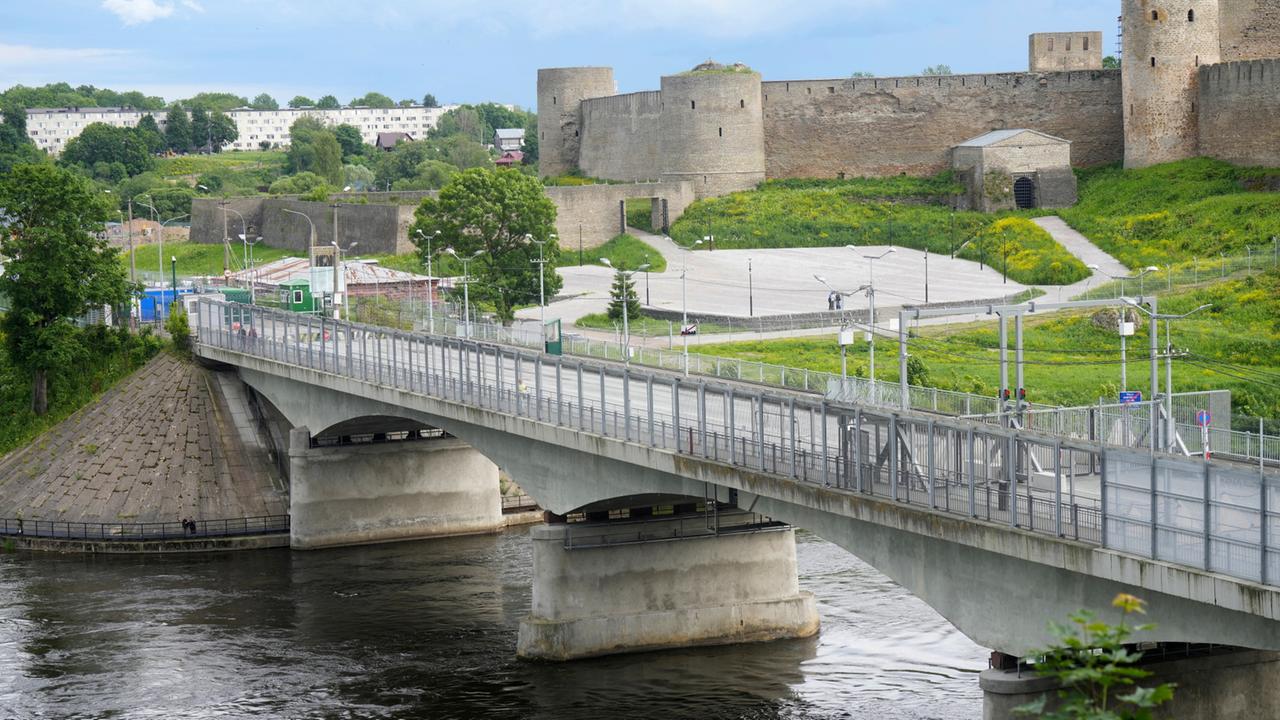
As November 2026 drew to a close, Estonia prepared to implement its unprecedented border closure. The move, triggered by a thwarted attack on a defense manufacturer and attributed to Russian military intelligence, represented a significant moment in the complex relationship between the Baltic nation and its eastern neighbor. For ordinary citizens on both sides of the soon-to-be-sealed border, the announcement signaled a new reality—one defined by heightened tensions, increased separation, and a clear message from Estonia that it would not tolerate what it perceived as threats to its security and sovereignty.