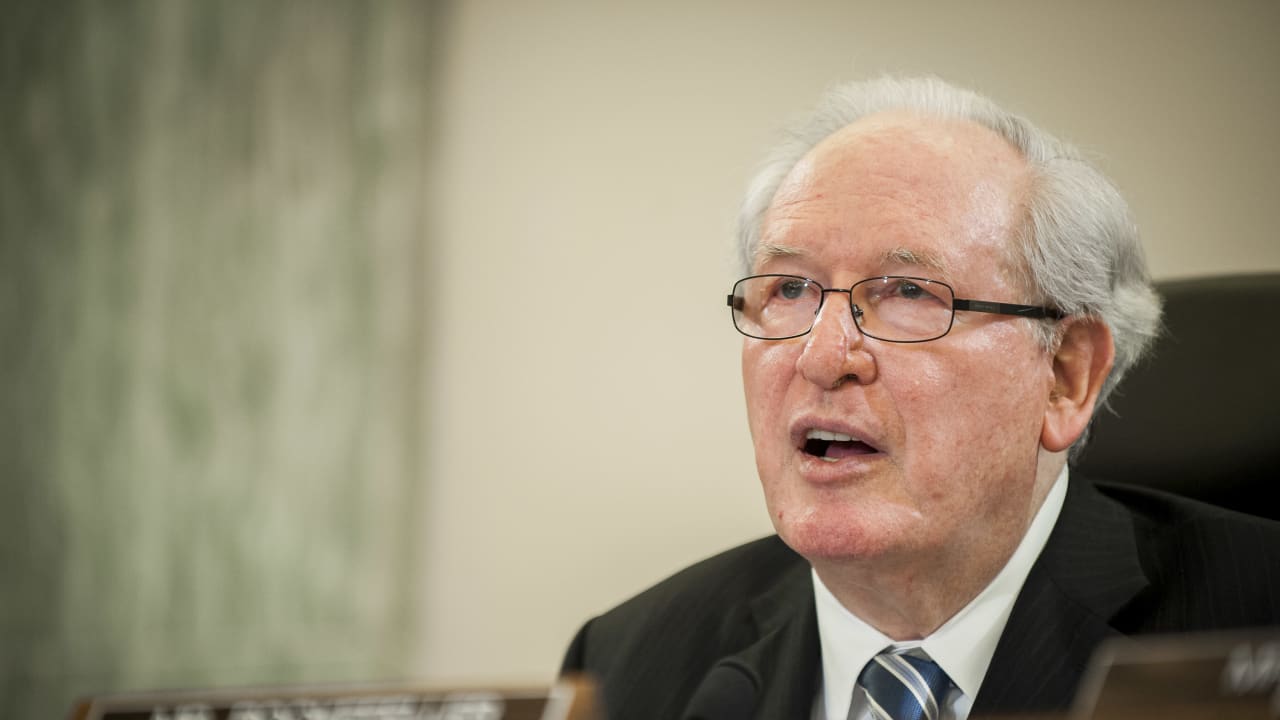
John D. 'Jay' Rockefeller IV was born into a name synonymous with the Gilded Age, the great-grandson of the legendary industrialist John D. Rockefeller. Yet, for those who knew his career in the halls of power, the Rockefeller name was less about the oil wealth of the past and more about the grit of West Virginia’s coal miners and the needs of the nation’s most vulnerable families. At 89, Rockefeller passed away in his Washington home, leaving behind a legacy that bridged the gap between the country’s aristocratic history and its modern legislative struggles.

Rockefeller’s political life was defined by a deep commitment to the people of West Virginia. Before his long tenure in the U.S. Senate, he served as the state’s governor from 1977 to 1985. It was a formative period that grounded his later work in Washington. When he transitioned to the Senate in 1985, he brought with him a perspective shaped by the practical, often difficult realities of a state defined by its reliance on the coal industry and the struggles of its working-class citizens. He would go on to serve five terms in the Senate, remaining a fixture of the Democratic Party until his departure in 2015.

#BREAKING: Jay Rockefeller, heir to famed dynasty and healthcare advocate in U.S. Senate, dies at 89 https://t.co/rRYBJTJwX0
Throughout his three decades in the Senate, Rockefeller became perhaps the most persistent voice for healthcare reform. His advocacy was not merely ideological; it was structural. He was a central figure in the 1997 creation of the program designed to provide health insurance for uninsured children in low-income families. His commitment to the cause was unwavering, spanning decades of political shifts. He backed President Bill Clinton’s healthcare proposals in the 1990s and later became a key architect and defender of the 2010 healthcare overhaul law signed by President Barack Obama. For Rockefeller, the expansion of healthcare access was the defining moral challenge of his time.
While healthcare was his primary passion, Rockefeller’s time in the Senate was also marked by the profound complexities of national security.
While healthcare was his primary passion, Rockefeller’s time in the Senate was also marked by the profound complexities of national security. As a member of the Senate, he initially voted in favor of the authorization for the Iraq War. However, the subsequent years brought a significant shift in his outlook. As the head of the Senate Intelligence Committee, he oversaw a rigorous 2008 investigation into the justifications for the 2003 invasion. The committee’s findings were damning: they concluded that the administration of President George W. Bush had misrepresented intelligence data to build a case for war. Rockefeller eventually expressed deep regret for his initial vote, becoming a vocal critic of how the nation had been led into the conflict.

Jay Rockefeller, former West Virginia governor and US senator who was part of a dynasty, dies at 89 https://t.co/ULqWqWLixu
Beyond his work on healthcare and intelligence, Rockefeller’s influence was felt across a wide range of committees, including those focused on veterans' affairs and commerce. His career was a study in the evolution of a modern legislator—someone who could navigate the high-stakes world of intelligence oversight while never losing sight of the individual needs of a child in need of medical care. His death marks the end of a long, consequential chapter in American politics, one that saw a man born into immense privilege dedicate his life to the slow, often frustrating, but essential work of democratic governance.